




Cosmetic Ingredient
- • Abrasive (124)
- • Absorbent (84)
- • Anticaking (66)
- • Anticorrosive (25)
- • Antifoaming (19)
- • Antimicrobials (290)
- • Antioxidant Ingredient (393)
- • Antiperspirant (20)
- • Antiplaque (48)
- • Anti-seborrheic (38)
- • Anti-sebum (38)
- • Antistatic (457)
- • Astringent (162)
- • Binding Agent (171)
- • Bleaching Agent (53)
- • Buffering (189)
- • Bulking (109)
- • Chelating (122)
- • Cleansing (680)
- • Cosmetic Colorant (212)
- • Cosmetic Preservative (158)
- • Denaturant (45)
- • Deodorant (97)
- • Depilatory (27)
- • Dissolving Agent (297)
- • Emollient (795)
- • Emulsifying Agent (481)
- • Emulsion Stabilising (153)
- • Exfoliating (19)
- • Film Forming (299)
- • Flavouring (72)
- • Foam Boosting (161)
- • Foaming (101)
- • Fragrance Ingredient (731)
- • Gel Forming (19)
- • Hair Conditioning (672)
- • Hair Dyeing (363)
- • Hair Fixing (36)
- • Hair Waving or Straightening (45)
- • Humectant (281)
- • Hydrotrope (92)
- • Keratolytic (20)
- • Light Stabilizer (77)
- • Moisturising Agent (50)
- • Nail Conditioning (42)
- • Occlusive (20)
- • Opacifying (119)
- • Oral Care (123)
- • Oxidising (19)
- • Perfuming (2106)
- • Plasticiser (98)
- • Propellant (19)
- • Reducing (51)
- • Refatting (12)
- • Refreshing (27)
- • Skin Cleansing (387)
- • Skin Conditioning (1747)
- • Skin Humectant (21)
- • Skin Protecting (281)
- • Smoothing (32)
- • Soothing (72)
- • Tonics (155)
- • UV Filter (33)
- • Viscosity Controlling (530)
Chemicals as Skincare Ingredients
Related News
-
Premium Global Chemical Sourcing Requests (3-6Sep.,2026)
2026-09-07 -
U.S. Formally Publishes India PFA Trade Cases, Raising New Barriers for Fluoropolymer Supply
2026-09-02 -
Supply Tightening Drives Up Phthalic Anhydride Prices, Further Increases May Face Obstacles in China
2026-09-05 -
Rising Raw Material Costs Drive Slight Increase in August Polyester Filament Market Prices
2026-09-01 -
Costs and Production Cuts Resonate: Polyester Staple Fiber Prices Fluctuate and Rise in August
2026-09-01 -
Acetic Acid Market Prices Show Strong Upward Trend
2026-09-01


Buffering
Buffering
Diammonium hydrogen phosphate
(7783-28-0)-

Agricultural Grade / 99%
$1300-1350/MT FOB
-

Chemical Grade / 99%
$1/KG FOB
-

Food Grade / -
-

- / 99.00%



Ethanolamine
(141-43-5)-

Industrial Grade / 99%
-

-

Industrial Grade / 99%
-

Industrial Grade / 99.9%
$20-25/MT FOB


Ammonium dihydrogen phosphate
(7722-76-1)-

Industrial Grade / 99%
-
Map/Phosphate/CAS No. 7722-76-1")
- / 0.00%
-

- / 99.00%
-
")


Sodium hydroxide
(1310-73-2)2. Choline acetyltransferase substrate.
3. Used as alkalimetric titrant, buffers, pH modifiers.
-

-

Industrial Grade / 99%
$343.04-392.04/MT FOB
-

Industrial Grade / 99%
$500-600/MT FOB
-

industry Grade / 99%


Calcium hydroxide
(1305-62-0)-

Industrial Grade / 95%
$1.08/KG EXW
-

Chemical Grade / 99%
$1/KG FOB
-
2 CAS 1305-62-0")
- / 0.00%
-

- / 99.00%


Potassium hydroxide
(1310-58-3)-

It's mainly used in alkaline batteries industry, high-class detergents and cosmetics. / 90%
-

Pharmaceutical Grade / 99.9%
$1/MT FOB
-

Industrial Grade / 90%
-
")


Taurine
(107-35-7)2. Taurine is an organic acid found in animal tissues and is a major constituent of bile. Taurine has many biological roles such as conjugation of bile acids, antioxidation, osmoregulation, membrane stabilization and modulation of calcium signaling.
-

Chemical Grade / 99%
$1/G FOB
-

-

Industrial Grade / 99%
-

- / 99.00%


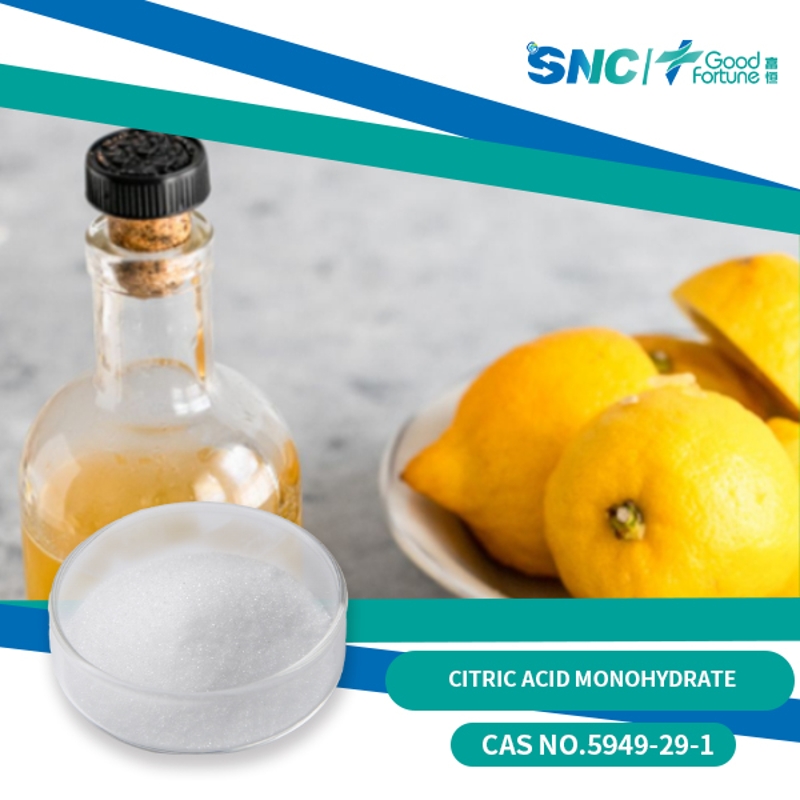
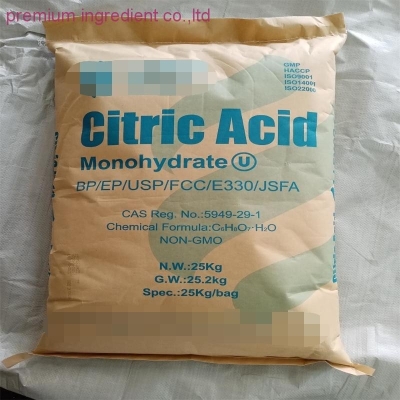
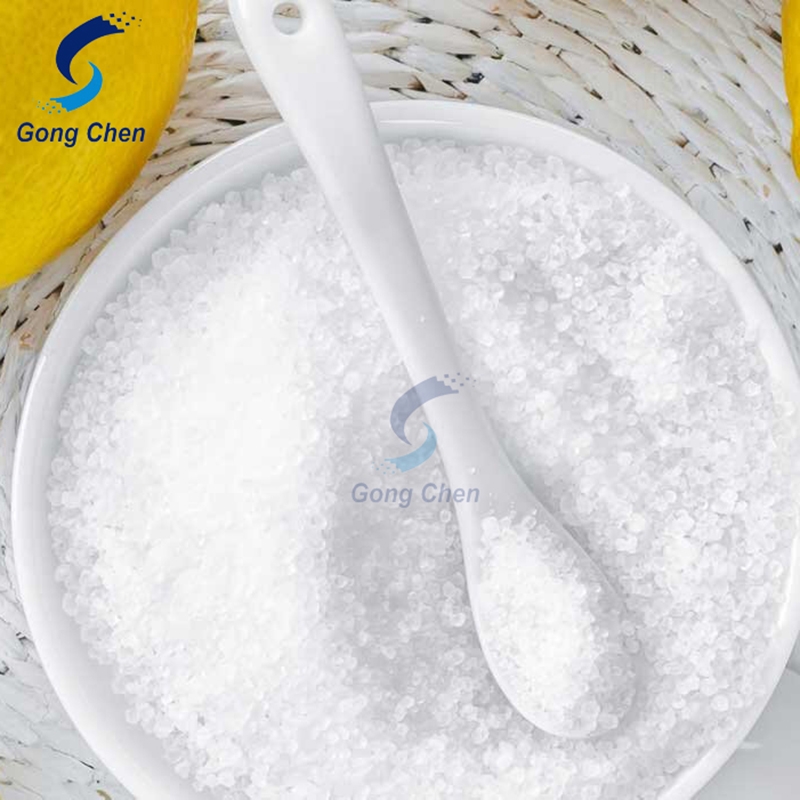
2-Hydroxy-1,2,3-propanetricarboxylic acid hydrate (1:1)
(5949-29-1)-

Food Grade / 99%
-

Food Grade / 99.5%
$872.29/MT EXW
-

BP/EP/USP/FCC grade / 99%
-

Food Grade / 99%
$560-580/MT FOB

Monopotassium phosphate
(7778-77-0)-

Chemical Grade / 99%
$1/G FOB
-

-

- / 0.00%
-

- / 99.00%


Triethanolamine
(102-71-6)-

Cosmetics Grade / 99%
-

Cosmetics Grade / 99%
-

Cosmetics Grade / 99%
-

Pharmaceutical Grade / 99%
$0.1-0.12/KG FOB


More Information
Buffering products are used to maintain stable pH levels in various applications, whether it's in pharmaceuticals, cosmetics, or food processing.
Buffering products work by resisting changes in pH when acids or bases are added, thereby stabilizing the solution. This property is especially valuable in cosmetic production, where precise pH control is necessary for different formulas.
Causes of pH fluctuations
•Addition of acidic or alkaline substances.
•Biological processes producing acids or bases.
•Environmental factors influencing pH levels, such as temperature or humidity fluctuations.
Frequently Asked Questions
Buffering refers to the ability of a solution to resist changes in pH when small amounts of acid or base are added. In industrial and laboratory settings, buffering agents—often weak acids or bases combined with their conjugate salts—are used to maintain stable pH levels critical for chemical reactions, biological processes, and product formulations. Common examples include phosphate buffers, acetate buffers, and citrate buffers.
Buffering is essential in pharmaceutical manufacturing because many active pharmaceutical ingredients (APIs) and biological compounds are sensitive to pH fluctuations. Maintaining a consistent pH ensures drug stability, efficacy, and safety during production, storage, and delivery. Buffer systems also help mimic physiological conditions in injectables and ophthalmic solutions, reducing irritation and improving patient tolerance.
Selecting the appropriate buffering agent depends on several factors:1. The required pH range—the buffer should have a pKa close to the target pH.2. Compatibility with other components in the formulation.3. Regulatory approval for intended use (e.g., USP/NF grade for pharmaceuticals).4. Stability under processing conditions like temperature and sterilization.5. Minimal interference with analytical methods or biological activity.Common choices include Tris, HEPES, phosphate, and citrate buffers, each suited to specific applications.
In biotechnology, buffering agents must support cell viability and enzyme activity while maintaining precise pH control. Widely used buffers include:• Phosphate-buffered saline (PBS) for cell washing and dilutions.• HEPES for cell culture media due to its minimal metal binding and good buffering capacity at physiological pH.• Tris-HCl in molecular biology applications like electrophoresis and PCR.These buffers are selected based on their ionic strength, osmolality, and non-toxicity to biological systems.
Yes, effective buffering significantly enhances product shelf life and stability—especially in pharmaceuticals, cosmetics, and food products. Uncontrolled pH shifts can lead to degradation of active ingredients, microbial growth, or changes in texture and color. A well-designed buffer system minimizes these risks by stabilizing pH throughout the product’s lifecycle, from manufacturing through storage and use.