




Active Pharmaceutical Ingredients
- • Respiratory Drugs (114)
- • Hormones and the Endocrine System (279)
- • Antipyretic Analgesics (171)
- • Antiallergic Drugs (103)
- • Antiparasitic Drugs (130)
- • Antibiotics (545)
- • Antineoplastic Agents (294)
- • Anesthetic Agents (79)
- • Urinary System Drugs (52)
- • Other Chemical Drugs (947)
- • Synthetic Anti-infective Drugs (599)
- • Nervous System Drugs (349)
- • Fluid, Electrolyte, and Acid-base Balance (48)
- • Vitamins and Minerals Medicines (106)
- • Digestive System Drugs (197)
- • Blood System Drugs (85)
- • Circulatory System Drugs (426)
- • Diagnostic Agents (58)
- • Specialty Drugs (107)
- • Drug Metabolism (23)
- • Feed Additive (22)
- • Anti-stress Drugs (1)
- • Drugs Influencing Immune Function (14)
- • Veterinary Raw Materials (24)
- • Inhibitor Drugs (81)
Related News
-
At the API China 2024 Spectacle: A Grand Recap!
2024-10-18 -
The 89th API China & The 27th CHINA-PHARM Exhibition Opened
2024-06-05 -
Overview of China's API industry in 2023
2023-02-01 -
Global Analysis of Active Pharmaceutical Ingredient (API)
2023-01-28 -
Professional and technical dry goods: a brief discussion on the selection of starting materials for chemical synthesis APIs
2022-11-18 -
In 2021, India's Ibuprofen API Export Volume and Price will Fall
2022-06-20


Digestive System Drugs APIs
Digestive System Drugs
Get Digestive System Drugs Raw Materials by RegionDomperidone
(57808-66-9)-
propyl)-4-piperidinyl)-")
Pharmaceutical Grade / 99.5%
-

Pharmaceutical Grade / 99%
-

Pharmaceutical Grade / 98%
-

Pharmaceutical Grade / 99%


Request for quotation , get quotes from more suppliers.
Dimethicone
(9006-65-9)-

Pharmaceutical Grade / 99%
-

Pharmaceutical Grade / 99%
-
 99.9% PEG-10 Dimethicone arshine")
Pharmaceutical Grade / -
-

Pharmaceutical Grade / 99%



D-GLUCURONO-3,6-LACTONE
(32499-92-6)-

Pharmaceutical Grade / 99%
$35-40/KG FOB
-

Pharmaceutical grade / 99%
-

Industrial Grade / pharmaceutical grade / 99%
-

- / 99.00%


Request for quotation , get quotes from more suppliers.
Diisopropylamine
(108-18-9)-

Industrial Grade,Pharma Grade / 99%
-

Industrial Grade / 99%
-

Industrial Grade / 99%
-




Request for quotation , get quotes from more suppliers.
-

Pharmaceutical Grade / 99%
-

Pharmaceutical Grade / 99%
$50/ EXW
-

-
![buy (1Z)-1-[(3,4-diethoxyphenyl)methylidene]-6,7-diethoxy-3,4-dihydro-2H-isoquinoline]( "(1Z)-1-[(3,4-diethoxyphenyl)methylidene]-6,7-diethoxy-3,4-dihydro-2H-isoquinoline")


![buy (1Z)-1-[(3,4-diethoxyphenyl)methylidene]-6,7-diethoxy-3,4-dihydro-2H-isoquinoline](https://file.echemi.com/fileManage/upload/cas/39/56fd1006-0bc5-463c-b9e7-658b1bd0e15a.gif "(1Z)-1-[(3,4-diethoxyphenyl)methylidene]-6,7-diethoxy-3,4-dihydro-2H-isoquinoline")
Request for quotation , get quotes from more suppliers.
Source Digestive System Drugs Products Supply
-

Pharmaceutical Grade / 99%
-

Industrial Grade,Pharma Grade / 99%
-

Pharmaceutical Grade / 98.99%
-

Industrial Grade / pharmaceutical grade / 99%
$1/MT EXW


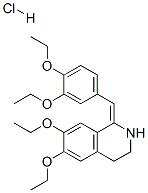
Request for quotation , get quotes from more suppliers.
-

Industrial Grade / 99%
-

-

-

Industrial Grade / 99%


Request for quotation , get quotes from more suppliers.
Diammonium glycyrrhizinate
(79165-06-3)-

Pharmaceutical grade / 99%
-

Pharmaceutical grade / 99%
$1/KG EXW
-

- / 99.00%
-




Request for quotation , get quotes from more suppliers.
-

Pharmaceutical Grade / 99%
-

Industrial Grade / pharmaceutical grade / 99%
-

- / 99.00%
-

Industrial Grade / 99.0%


Request for quotation , get quotes from more suppliers.
Diphenidol hydrochloride
(3254-89-5)-

Pharmaceutical grade / 99%
$1/KG EXW
-

- / 99.00%
-

- / 90%
-


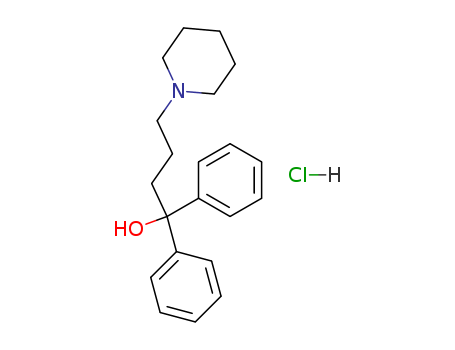
Request for quotation , get quotes from more suppliers.
Frequently Asked Questions
Digestive System Drugs are medications designed to treat a wide range of gastrointestinal (GI) disorders, including acid reflux, peptic ulcers, irritable bowel syndrome (IBS), constipation, diarrhea, and inflammatory bowel disease (IBD). These drugs work by regulating digestive processes, reducing inflammation, neutralizing stomach acid, or modulating gut motility. They play a critical role in improving patients’ quality of life and managing chronic GI conditions effectively.
Common types of Digestive System Drugs include:1. Antacids and H2 receptor antagonists (e.g., ranitidine) for reducing stomach acid.2. Proton pump inhibitors (PPIs) like omeprazole for long-term acid suppression.3. Laxatives and antidiarrheals for bowel regulation.4. Prokinetic agents that enhance gastrointestinal motility.5. Anti-inflammatory drugs such as mesalamine for IBD.Each class targets specific symptoms or underlying mechanisms of digestive diseases.
When selecting a supplier for Digestive System Drugs, consider the following criteria:1. Regulatory compliance—ensure the supplier holds valid GMP, FDA, or EMA certifications.2. Quality assurance—look for documented quality control procedures and batch testing.3. Product portfolio breadth—including APIs, finished formulations, and intermediates.4. Supply chain reliability and global distribution capabilities.5. Technical support and regulatory documentation assistance.Partnering with a reputable supplier minimizes risk and ensures consistent product quality.
Yes, prolonged use of certain Digestive System Drugs may carry risks. For example, long-term proton pump inhibitor (PPI) use has been associated with vitamin B12 deficiency, increased fracture risk, and kidney issues. Chronic laxative use can lead to electrolyte imbalances and dependency. It’s essential to use these medications under medical supervision, adhere to prescribed dosages, and periodically reassess treatment necessity to mitigate potential adverse effects.
Recent trends in Digestive System Drug development include:1. Targeted biologics and small molecules for IBD, such as JAK inhibitors and anti-TNF agents.2. Microbiome-based therapies aiming to restore gut flora balance.3. Personalized medicine approaches using genetic and biomarker profiling.4. Improved drug delivery systems (e.g., pH-sensitive coatings) for site-specific action in the GI tract.These innovations reflect a shift toward more effective, safer, and patient-tailored treatments for complex digestive disorders.