




Cosmetic Ingredient
- • Abrasive (124)
- • Absorbent (84)
- • Anticaking (66)
- • Anticorrosive (25)
- • Antifoaming (19)
- • Antimicrobials (291)
- • Antioxidant Ingredient (393)
- • Antiperspirant (20)
- • Antiplaque (48)
- • Anti-seborrheic (38)
- • Anti-sebum (38)
- • Antistatic (457)
- • Astringent (162)
- • Binding Agent (171)
- • Bleaching Agent (53)
- • Buffering (190)
- • Bulking (109)
- • Chelating (122)
- • Cleansing (680)
- • Cosmetic Colorant (212)
- • Cosmetic Preservative (158)
- • Denaturant (45)
- • Deodorant (98)
- • Depilatory (27)
- • Dissolving Agent (297)
- • Emollient (795)
- • Emulsifying Agent (481)
- • Emulsion Stabilising (153)
- • Exfoliating (19)
- • Film Forming (299)
- • Flavouring (72)
- • Foam Boosting (161)
- • Foaming (101)
- • Fragrance Ingredient (732)
- • Gel Forming (19)
- • Hair Conditioning (672)
- • Hair Dyeing (363)
- • Hair Fixing (36)
- • Hair Waving or Straightening (45)
- • Humectant (281)
- • Hydrotrope (92)
- • Keratolytic (20)
- • Light Stabilizer (77)
- • Moisturising Agent (50)
- • Nail Conditioning (42)
- • Occlusive (20)
- • Opacifying (119)
- • Oral Care (123)
- • Oxidising (19)
- • Perfuming (2106)
- • Plasticiser (98)
- • Propellant (19)
- • Reducing (51)
- • Refatting (12)
- • Refreshing (27)
- • Skin Cleansing (387)
- • Skin Conditioning (1747)
- • Skin Humectant (21)
- • Skin Protecting (281)
- • Smoothing (32)
- • Soothing (72)
- • Tonics (155)
- • UV Filter (33)
- • Viscosity Controlling (530)
Chemicals as Skincare Ingredients
Related News
-
EAEU Initiates Review of Anti-Dumping Measures on Chinese Titanium Dioxide, Suspends Duties During Investigation
2026-08-14 -
US Tariff Pressure on Canada Raises Risks for North American Chemical Supply Chains
2026-08-22 -
Premium Global Chemical Sourcing Requests (17-19Aug, 2026)
2026-08-20 -
Premium Global Chemical Sourcing Requests (13-16Aug, 2026)
2026-08-17 -
Premium Global Chemical Sourcing Requests (10-12Aug, 2026)
2026-08-13 -
Business Society’s Market Outlook for Acrylic Acid on August 19, 2026: Weak Rebound
2026-08-19


Film Forming
Film Forming
Hydroxypropyl methyl cellulose
(9004-65-3)-

Cosmetic Grade, Food Grade, Tech Grade / 99%
-

Cosmetics Grade / 99%
$4-5/KG FOB
-

Cosmetics Grade / 99.8%
-

Cosmetics Grade / 98%


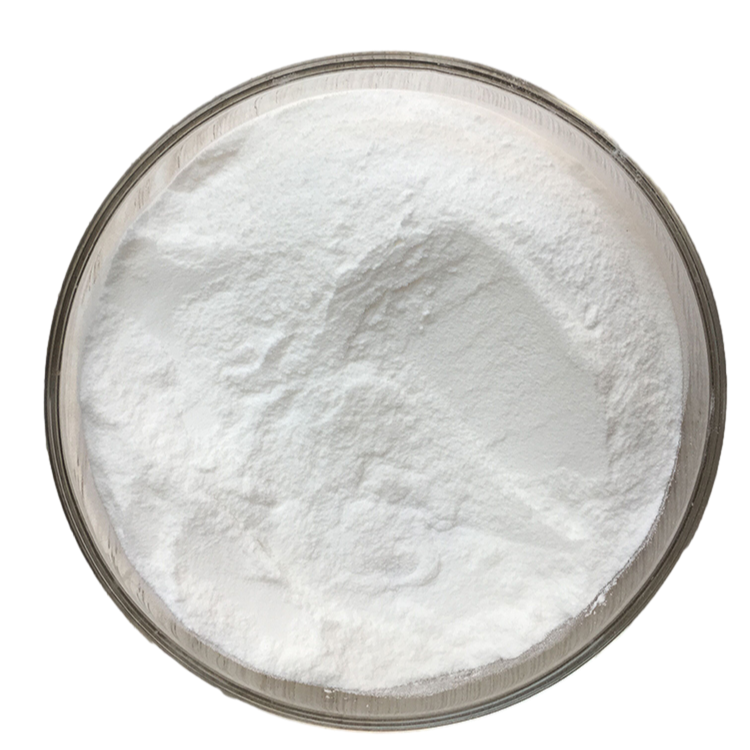
Maleic anhydride
(108-31-6)-

Industrial Grade / 99.6%
$700-850/MT FOB
-

-

- / 99%
-

Industrial Grade / 99.9%


Potassium acetate
(127-08-2)-

Chemical Grade / 99%
$1/KG FOB
-

-

- / 0.00%
-

- / 99.00%


Request for quotation , get quotes from more suppliers.
Poly(vinylpyrrolidone)
(9003-39-8)-

Cosmetics Grade / 99%
-

Cosmetics Grade / -
-
")
Cosmetics Grade / 98%
$1-1.2/MT FOB
-

Cosmetics Grade / 99%


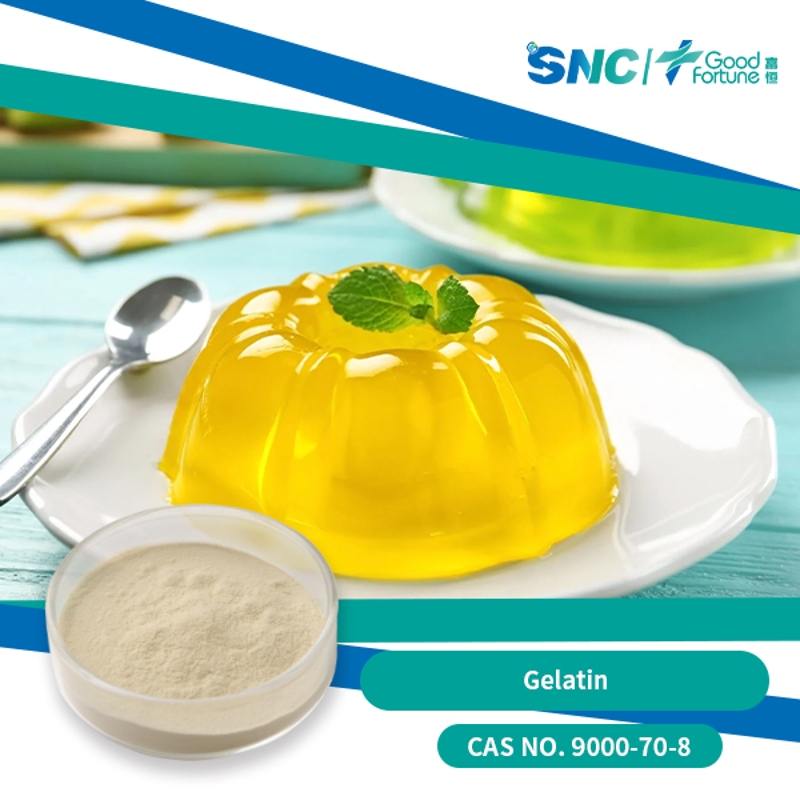
Gelatins
(9000-70-8)-

Food Grade / 99%
-

Industrial Grade / 99%
-

-

Food Grade / 99%


Request for quotation , get quotes from more suppliers.
Hydroxyethyl cellulose
(9004-62-0)-

Cosmetics Grade / -
-

Cosmetics Grade / 99%
-

Cosmetics Grade / 99%
-

Chemical Grade / 99%
$1/KG FOB


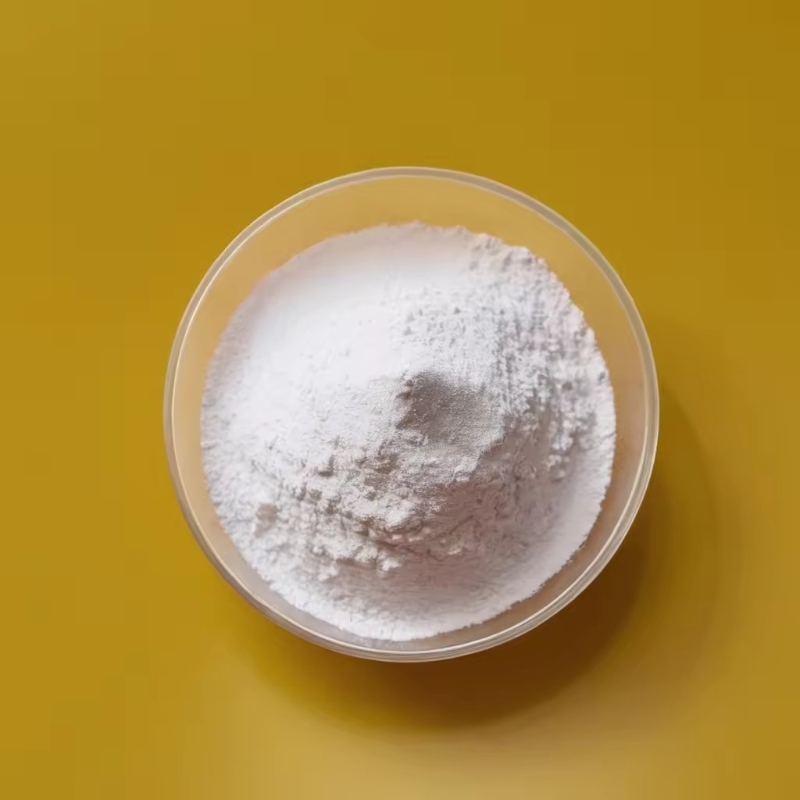

Ethylene-vinyl acetate copolymer
(24937-78-8)-

Industrial Grade / 98%
$1000-1300/MT FOB
-

Industrial Grade / 99%
$2-2.2/MT FOB
-

Industrial Grade / 99%
-

- / 0.00%


Maltodextrin
(9050-36-6)-

pharmaceutical grade/food grade / 99%
-

- / 0.00%
-

- / 99%
-

- / 99.00%



Poly(acrylic acid)
(9003-01-4)-

Cosmetics Grade / 99%
-

Cosmetics Grade / 99%
-

Cosmetics Grade / 99.9%
-

Cosmetics Grade / 99%


Request for quotation , get quotes from more suppliers.
Triacetin
(102-76-1)-

Food Grade / 99%
$1/KG FOB
-

industrial Grade / 98%
-

- / 99.00%
-

Industrial Grade / 98%


More Information
A film forming agent is an additive that creates a thin, long-wearing layer on a substrate to provide protection, smoothness, and improved function. The most common of these agents are used in coatings, adhesives, cosmetics, and pharmaceutical products. Cosmetic and pharmaceutical formulations often contain film forming gels that impart a flexible, durable layer to create better product deposition and stabilize the product upon the skin. Also, formulations used in personal care products may contain film forming humectants to help maintain skin moisturization and integrity. These ingredients assist in the development of long-lasting, quality products which are in line with various industrial standards.
Common ingredients used as film forming agents include:
Polyvinyl alcohol (PVA)
Hydroxyethylcellulose (HEC)
Acrylates copolymer
Sodium Alginate
Carboxymethylcellulose (CMC)
Frequently Asked Questions
Film forming refers to the process by which a liquid coating or solution dries or cures to create a continuous, protective layer on a surface. This layer—known as a film—can provide barrier properties, enhance appearance, or deliver functional benefits such as water resistance, UV protection, or controlled release. Film-forming agents are commonly used in industries like pharmaceuticals, cosmetics, paints, and agrochemicals.
Film-forming agents are widely used across multiple sectors:1. In pharmaceuticals, they enable enteric coatings for tablets that dissolve only in the intestine.2. In cosmetics, they help create long-wear makeup and skincare films that lock in moisture.3. In agriculture, they form protective barriers on seeds or crops to control pesticide release.4. In industrial coatings, they improve adhesion, gloss, and durability of paints and varnishes.These versatile applications highlight their importance in product performance and stability.
Film-forming agents can be natural, synthetic, or semi-synthetic polymers. Common examples include:- Cellulose derivatives like hydroxypropyl methylcellulose (HPMC) and ethyl cellulose- Acrylic polymers such as Eudragit®- Polyvinyl alcohol (PVA)- Shellac and zein (natural resins)The choice depends on required properties like solubility, flexibility, permeability, and compatibility with other formulation components.
Selecting the right film-forming agent involves evaluating several key factors:1. Desired release profile (immediate, delayed, or sustained)2. Solubility in aqueous or organic solvents3. Mechanical strength and flexibility of the resulting film4. Regulatory compliance for your target market (e.g., FDA, EU)5. Compatibility with active ingredients and excipientsConsulting technical data sheets and conducting pilot trials can help ensure optimal performance and regulatory adherence.
Yes, film-forming coatings used in pharmaceuticals and cosmetics are generally recognized as safe (GRAS) or approved by regulatory agencies such as the U.S. FDA, EMA, or ISO-certified bodies—provided they meet purity and quality standards. Reputable suppliers provide documentation including certificates of analysis (CoA), safety data sheets (SDS), and regulatory compliance statements to support safe usage in consumer products.