




Flavors and Fragrances
Get Flavors and Fragrances Raw Materials by RegionFlavors and Fragrances
- • Synthetic Fragrances (1597)
- • Natural Spices (155)
Related News
-
Skin longevity, biotech, fragrance and sensory beauty take centre stage as in-cosmetics Asia returns to Bangkok
2026-09-01 -
Huda Beauty to Sell Kayali Stake to General Atlantic
2025-02-20 -
Skylar Clean Beauty Launches New Citrus Reverie Fragrance
2024-06-25 -
Give Back Beauty secures Mercedes-Benz fragrance licensing agreement
2024-04-17 -
BASF Aromatic Ingredients expands its Isobionics portfolio with new natural flavors
2024-03-13 -
Henry Rose raises series A funding
2023-05-15
Related Products Price


Flavors and Fragrances
Flavors and Fragrances Suppliers
Benzophenone
CAS No: 119-61-9
Formula: C13H10O
Categories: Flavors and Fragrances > Light Stabilizer
-

Benzophenone 99.9%Min White flake RC00064
$1/KG EXW
Inquiry -

Benzophenone 99% powder 119-61-9 Dideu
Inquiry -

Benzophenone
Inquiry -
")
Benzophenone (high qualified)
$1-1.2/KG FOB
Inquiry



Pyrrolidine
CAS No: 123-75-1
Formula: C4H9N
Categories: Flavors and Fragrances > Synthetic Fragrances
-

Pyrrolidine 99+
Inquiry -

High Quality 99% Purity of Pyrrolidine CAS NO 123-75-1 ISO 9001:2005 REACH Verified Producer
Inquiry -

Pyrrolidine 123-75-1
Inquiry -

Pyrrolidine CAS:123-75-1 C4H9N
$26-28/MT FOB
Inquiry



Benzothiazole
CAS No: 95-16-9
Formula: C7H5NS
Categories: Flavors and Fragrances > Perfuming
-

Benzothiazole
Inquiry -

Benzothiazole
Inquiry -

Manufacturer Supply High Quality in Stock Benzothiazole CAS 95-16-9
Inquiry -

benzothiazole
Inquiry


BIS(2,4,6-TRIMETHYLPYRIDINE)BROMONIUM HEXAFLUOROPHOSPHATE
CAS No: 188944-77-6
Formula: C16H22BrF6N2P
Categories: Flavors and Fragrances > Synthetic Fragrances
-
BROMONIUM HEXAFLUOROPHOSPHATE")
BIS(2,4,6-TRIMETHYLPYRIDINE)BROMONIUM HEXAFLUOROPHOSPHATE
Inquiry -
bromanuidylpyridin-1-ium,hexafluorophosphate")
2,4,6-trimethyl-1-(2,4,6-trimethylpyridin-1-ium-1-yl)bromanuidylpyridin-1-ium,hexafluorophosphate
Inquiry -
BROMONIUM HEXAFLUOROPHOSPHATE")
BIS(2,4,6-TRIMETHYLPYRIDINE)BROMONIUM HEXAFLUOROPHOSPHATE
Inquiry -
bromonium hexafluorophosphate")
bis-(2,4,6-Trimethylpyridine)bromonium hexafluorophosphate
Inquiry


Dimethyl acetal
CAS No: 534-15-6
Formula: C4H10O2
Categories: Flavors and Fragrances > Synthetic Fragrances
-

1,1-dimethoxyethane
Inquiry -

Acetaldehyde dimethyl acetal
Inquiry -

Acetaldehyde dimethyl acetal
$0.1/KG EXW
Inquiry

Cinnamic acid
CAS No: 621-82-9
Formula: C9H8O2
Categories: Flavors and Fragrances > Perfuming
-

Cinnamic acid 95% solid
Inquiry -

High Quality Factory Best Price CAS 621-82-9 Cinnamic Acid
Inquiry -

Cinnamic acid 621-82-9
Inquiry -

Cinnamic acid
Inquiry



4-Methylthiazole
CAS No: 693-95-8
Formula: C4H5NS
Categories: Flavors and Fragrances > Synthetic Fragrances
-

Hot Sale 4-Methylthiazole CAS 693-95-8 Colorless Liquid with Best Price
Inquiry -

4-Methylthiazole 693-95-8
Inquiry -

4-Methylthiazole
Inquiry -

4-Methylthiazole RC03331
$1/KG EXW
Inquiry


Anisole
CAS No: 100-66-3
Formula: C7H8O
Categories: Flavors and Fragrances > Perfuming


Methylpyrazine
CAS No: 109-08-0
Formula: C5H6N2
Categories: Flavors and Fragrances > Synthetic Fragrances



2-Pentanone
CAS No: 107-87-9
Formula: C5H10O
Categories: Flavors and Fragrances > Dissolving Agent


300 Flavors and Fragrances Suppliers
Short on time? Let Flavors and Fragrances sellers contact you.
Cinnamaldehyde
CAS No: 104-55-2
Formula: C9H8O
Categories: Flavors and Fragrances > Perfuming
-

Cinnamic aldehyde-a 99.9%
Inquiry -

Factory Supply Cinnamaldehyde CAS 104-55-2 with Best Price
Inquiry -
")
Cinnamaldehyde(104-55-2)
Inquiry -

Cinnamaldehyde
Inquiry


Benzyl acetate
CAS No: 140-11-4
Formula: C9H10O2
Categories: Flavors and Fragrances > Perfuming


Isobutyl acetate
CAS No: 110-19-0
Formula: C6H12O2
Categories: Flavors and Fragrances > Dissolving Agent
-

Isobutyl acetate 99% Liquid Dideu
Inquiry -

Factory Supply Isobutyl Acetate CAS 110-19-0 with High Quality
Inquiry -

Isobutyl acetate
$0.1/KG EXW
Inquiry -

Wholesale Isobutyl acetate 99% Liquid TRN
Inquiry


Maltol
CAS No: 118-71-8
Formula: C6H6O3
Categories: Flavors and Fragrances > Fragrance Ingredient


Methyl benzoate
CAS No: 93-58-3
Formula: C8H8O2
Categories: Flavors and Fragrances > Dissolving Agent
-

Methyl benzoate
Inquiry -

METHYL BENZOATE 98% Liquid SAA3434999 SAA
$3220-3650/MT FOB
Inquiry -

Methyl benzoate 99 high purity hly 57
$1/MT FOB
Inquiry -

Methyl Benzoate
$1/KG EXW
Inquiry


2-Methylquinoline
CAS No: 91-63-4
Formula: C10H9N
Categories: Flavors and Fragrances > Synthetic Fragrances
-

Quinaldine 99% high purity certified Professional producer Greenbo
Inquiry -

Quinaldine
Inquiry -

Quinaldine
Inquiry -

Quinaldine
Inquiry


terphenyl
CAS No: 26140-60-3
Formula: C18H14
Categories: Flavors and Fragrances > Synthetic Fragrances
-

Factory Supply Terphenyl CAS NO.26140-60-3
Inquiry -

terphenyl CAS NO 26140-60-3
Inquiry -

Terphenyl
Inquiry -

terphenyl
Inquiry

4′-Methoxyacetophenone
CAS No: 100-06-1
Formula: C9H10O2
Categories: Flavors and Fragrances > Perfuming
-

4-Methoxyacetophenone, CAS#100-06-1
Inquiry -

4-Methoxyacetophenone
Inquiry -

4'-Methoxyacetophenone RC04152
$1/KG EXW
Inquiry -

4'-Methoxyacetophenone
$0.1/KG EXW
Inquiry


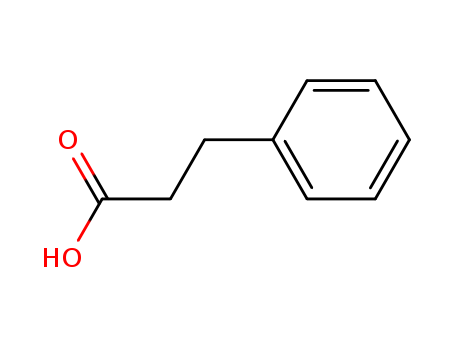
Benzenepropanoic acid
CAS No: 501-52-0
Formula: C9H10O2
Categories: Flavors and Fragrances > Synthetic Fragrances
-

3-Phenylpropionic acid1KG
Inquiry -

Benyl propionic acid
Inquiry -

3-Phenylpropionic acid
Inquiry -

Best quality fast shippment 3-Phenylpropionic acid cas:501-52-0
Inquiry


Chloropyrazine
CAS No: 14508-49-7
Formula: C4H3ClN2
Categories: Flavors and Fragrances > Synthetic Fragrances
-

2-Chloropyrazine
Inquiry -

High Cost Performance 2-Chloropyrazine 14508-49-7
Inquiry -

2-Chloropyrazine
Inquiry -

high quality 2-Chloropyrazine 99% transparent liquid KANBEI
Inquiry


New Arrivals
Most Popular



People are searching
Frequently Asked Questions
They can be both. Natural flavors and fragrances are extracted from plant or animal sources using methods such as distillation or pressing. Synthetic flavors and fragrances are created in laboratories to replicate natural aromas or to produce entirely new scent profiles. Synthetic versions are often more stable, cost-effective, and consistent in quality, making them widely used in large-scale production.
Flavors are widely used in industries such as beverages, confectionery, baked goods, dairy products, and pharmaceuticals (for example, in syrups or chewable tablets). Fragrances are used in perfumes, skincare, hair care, fabric care, cleaning products, and even industrial products like paints and plastics to mask unwanted odors or add signature scents.
The main difference lies in how they are perceived and applied. Flavors are designed to be tasted and are therefore used in food, beverages, and oral products. Fragrances are designed to be smelled and are commonly used in perfumes, cosmetics, soaps, detergents, and air fresheners. In general, flavors must meet stricter food safety standards, while fragrances focus more on scent stability and intensity.
Flavors and fragrances are chemical compounds or natural extracts used to create specific tastes and smells in products. Flavors are mainly used in food and beverage products to improve or modify taste, while fragrances are used in personal care, household, and industrial products to provide pleasant or functional scents. They can be obtained from natural sources such as plants, fruits, spices, or produced by chemical synthesis.