




Active Pharmaceutical Ingredients
- • Respiratory Drugs (114)
- • Hormones and the Endocrine System (279)
- • Antipyretic Analgesics (173)
- • Antiallergic Drugs (103)
- • Antiparasitic Drugs (130)
- • Antibiotics (545)
- • Antineoplastic Agents (298)
- • Anesthetic Agents (79)
- • Urinary System Drugs (52)
- • Other Chemical Drugs (948)
- • Synthetic Anti-infective Drugs (599)
- • Nervous System Drugs (349)
- • Fluid, Electrolyte, and Acid-base Balance (48)
- • Vitamins and Minerals Medicines (106)
- • Digestive System Drugs (198)
- • Blood System Drugs (85)
- • Circulatory System Drugs (427)
- • Diagnostic Agents (58)
- • Specialty Drugs (107)
- • Drug Metabolism (26)
- • Feed Additive (22)
- • Anti-stress Drugs (1)
- • Drugs Influencing Immune Function (14)
- • Veterinary Raw Materials (25)
- • Inhibitor Drugs (88)
Related News
-
India Proposes New GMP Rules for Clinical Trial and API Manufacturing
2026-09-24 -
CPHI & PMEC India 2026
2026-09-11 -
At the API China 2024 Spectacle: A Grand Recap!
2024-10-18 -
The 89th API China & The 27th CHINA-PHARM Exhibition Opened
2024-06-05 -
Overview of China's API industry in 2023
2023-02-01 -
Global Analysis of Active Pharmaceutical Ingredient (API)
2023-01-28


Fluid, Electrolyte, and Acid-base Balance Featured Products
Fluid, Electrolyte, and Acid-base Balance
Get Fluid, Electrolyte, and Acid-base Balance Raw Materials by Region-

Pharmaceutical Grade / -
-

Industrial Grade ,Pharma Grade / 99%
-

pharmaceutical grade / 99%
$1/KG EXW
-

Chemical Grade / 98%
$1/KG FOB


Request for quotation , get quotes from more suppliers.
Calcium hydroxide
(1305-62-0)-

Pharmaceutical Grade / 99%
-

Pharmaceutical Grade / 99.5%
-

pharmaceutical grade / 99%
$1/KG EXW
-

Industrial Grade / 95%
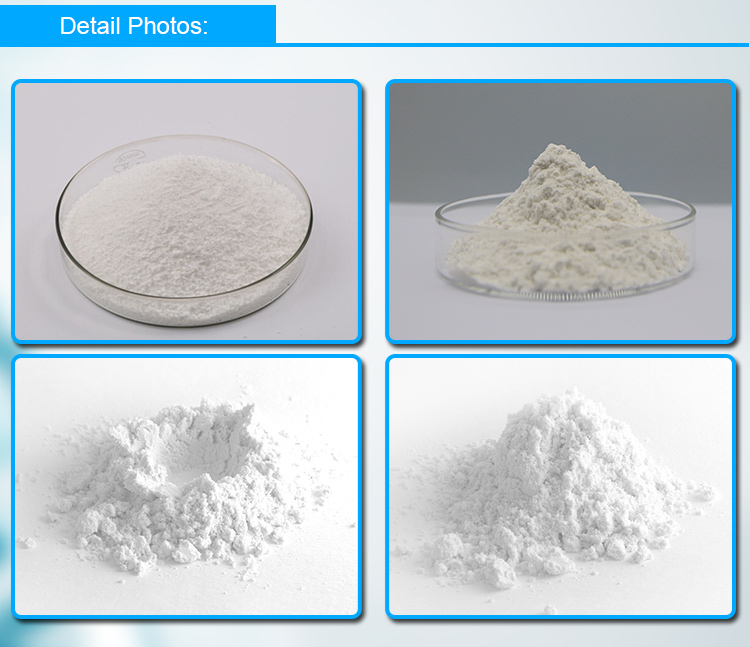


Calcium phosphate dibasic
(7757-93-9)-

Pharmaceutical Grade / 99%
-

Pharmaceutical Grade / 99%
-

Pharmaceutical Grade / -
-

Pharmaceutical Grade / 99%


Tris(hydroxymethyl)aminomethane
(77-86-1)-

Pharmaceutical Grade / 99%
-

Pharmaceutical Grade / 99%
-

Pharmaceutical Grade / 99.5%
-

Pharmaceutical Grade / -
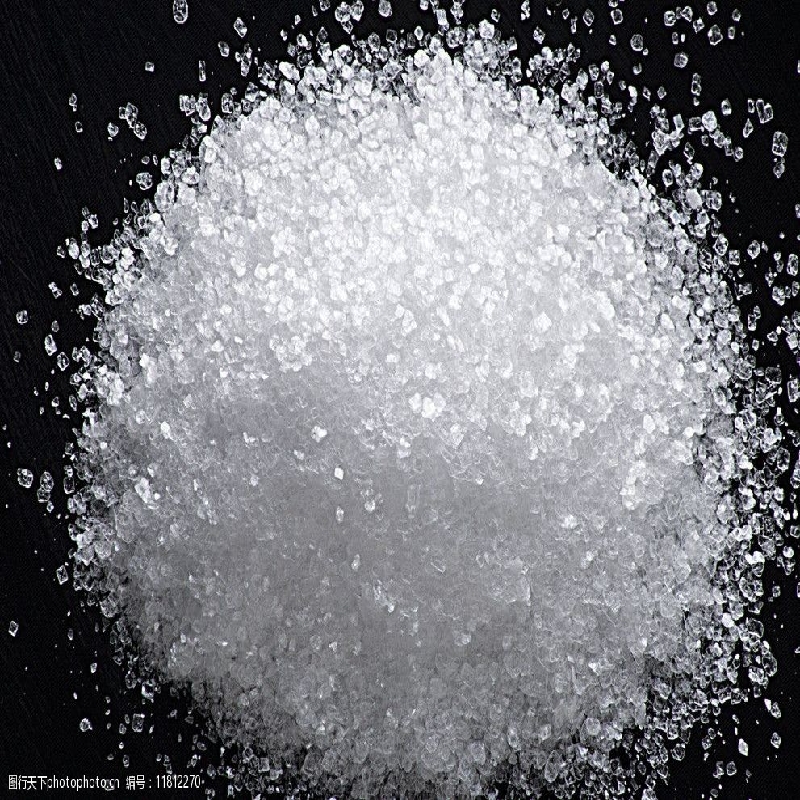

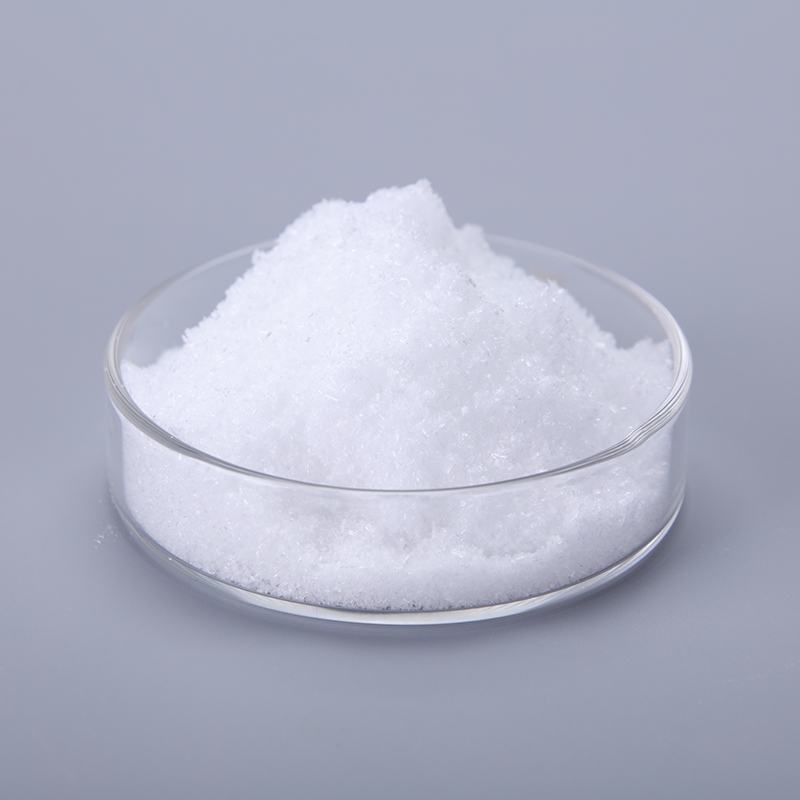

Potassium acetate
(127-08-2)-

Pharmaceutical Grade / 99%
-

Pharmaceutical Grade / 99%
-

Pharmaceutical Grade / 99%
-

Pharmaceutical Grade / 99.5%
$1.2/KG EXW



Request for quotation , get quotes from more suppliers.
Calcium gluconate
(299-28-5)-

Pharmaceutical Grade / 99%
-

Pharmaceutical Grade / 99%
-

Pharmaceutical Grade / 99%
-

Pharmaceutical Grade / 99%


Request for quotation , get quotes from more suppliers.
Calcium acetate
(62-54-4)-

Pharmaceutical Grade / 99%
-

Pharmaceutical Grade / 99%
-

Pharmaceutical Grade / 0%
-

Pharmaceutical Grade / 99.5%

Request for quotation , get quotes from more suppliers.
Calcium lactate
(814-80-2)-

Pharmaceutical Grade / 98%
-

pharmaceutical grade/food grade / 99%
-

Pharmaceutical Grade / 99%
-

Pharmaceutical Grade / 90%
$1000-1100/MT FOB



Request for quotation , get quotes from more suppliers.
Tripotassium citrate
(866-84-2)-

Pharmaceutical Grade / 90%
$900-1150/MT FOB
-

pharmaceutical grade / 99%
-

Pharma Grade / 99%
$28/KG EXW
-

Pharmaceutical grade / 0.99%




Potassium bicarbonate
(298-14-6)-

Pharmaceutical Grade / 99.5%
-

Pharmaceutical Grade / 99%
-

Pharmaceutical Grade / 99%
-

Pharmaceutical Grade / 0%


Frequently Asked Questions
Fluid, electrolyte, and acid-base balance refers to the body's ability to maintain stable levels of water, essential minerals (such as sodium, potassium, calcium, and chloride), and pH within a narrow physiological range. This balance is crucial for normal cellular function, nerve conduction, muscle contraction, and overall homeostasis. Disruptions can lead to serious clinical conditions like dehydration, arrhythmias, or metabolic acidosis.
Electrolyte balance is vital because electrolytes regulate key bodily functions including fluid distribution, blood pressure, muscle activity, and nerve signaling. Imbalances—such as hyponatremia (low sodium) or hyperkalemia (high potassium)—can cause symptoms ranging from fatigue and confusion to life-threatening cardiac arrhythmias. Monitoring and correcting electrolyte levels is a cornerstone of critical and emergency care, especially in patients with kidney disease, heart failure, or those receiving IV fluids.
The body maintains acid-base balance through three primary mechanisms: chemical buffers (like bicarbonate and proteins), respiratory regulation (by adjusting CO₂ levels via breathing rate), and renal regulation (kidneys excrete or retain hydrogen and bicarbonate ions). These systems work together to keep arterial blood pH within the normal range of 7.35–7.45. Failure in any component can result in acidosis (pH < 7.35) or alkalosis (pH > 7.45), requiring prompt medical evaluation.
Common causes include vomiting, diarrhea, excessive sweating, fever, diuretic use, kidney dysfunction, and inadequate oral intake. Conditions like diabetes insipidus, adrenal disorders (e.g., Addison’s disease), and congestive heart failure also disrupt fluid and electrolyte homeostasis. Elderly patients and infants are particularly vulnerable due to reduced compensatory mechanisms. Early recognition through lab tests (e.g., serum sodium, potassium, BUN, creatinine) is essential for effective management.
Diagnosis typically involves a combination of patient history, physical examination, and laboratory tests—including serum electrolytes, arterial blood gas (ABG) analysis, urine studies, and renal function panels. Treatment is tailored to the specific imbalance: for example, IV saline for hypovolemia, potassium replacement for hypokalemia, or sodium bicarbonate in severe metabolic acidosis. Underlying causes must also be addressed to prevent recurrence, making a multidisciplinary approach essential in complex cases.