




Active Pharmaceutical Ingredients
- • Respiratory Drugs (114)
- • Hormones and the Endocrine System (279)
- • Antipyretic Analgesics (171)
- • Antiallergic Drugs (103)
- • Antiparasitic Drugs (130)
- • Antibiotics (545)
- • Antineoplastic Agents (294)
- • Anesthetic Agents (79)
- • Urinary System Drugs (52)
- • Other Chemical Drugs (947)
- • Synthetic Anti-infective Drugs (599)
- • Nervous System Drugs (349)
- • Fluid, Electrolyte, and Acid-base Balance (48)
- • Vitamins and Minerals Medicines (106)
- • Digestive System Drugs (197)
- • Blood System Drugs (85)
- • Circulatory System Drugs (426)
- • Diagnostic Agents (58)
- • Specialty Drugs (107)
- • Drug Metabolism (23)
- • Feed Additive (22)
- • Anti-stress Drugs (1)
- • Drugs Influencing Immune Function (14)
- • Veterinary Raw Materials (24)
- • Inhibitor Drugs (81)
Related News
-
MSC Agrees BPA is an Endocrine Disruptor
2017-06-22


Sort Hormones and the Endocrine System Alphabetically
Hormones and the Endocrine System
Methylprednisone
(1247-42-3)-

- / 99.00%
-

-

-

Different Grade / 99.9%


Request for quotation , get quotes from more suppliers.
Medroxyprogesterone acetate
(71-58-9)-

Pharmaceutical Grade / 99%
-

Pharmaceutical Grade / 99%
-

Pharmaceutical Grade / 99%
-

Pharmaceutical Grade / 99%
Request for quotation , get quotes from more suppliers.
-

Pharmaceutical Grade / 99%
-

Pharmaceutical Grade / 99%
-

Pharmaceutical Grade / 0.00%
-

Pharmaceutical Grade / 98%


Megestrol acetate
(595-33-5)-

Pharmaceutical Grade / 99%
$6/UNIT FOB
-

Pharmaceutical Grade / 99%
$190-245/MT FOB
-

Pharmaceutical Grade / 99.9%
-

Pharmaceutical Grade / 99%


Request for quotation , get quotes from more suppliers.
Metformin hydrochloride
(1115-70-4)2. Anti-diabetic and anti-cancer activity
-

Pharmaceutical Grade / 99%
-

Pharmaceutical Grade / 99%
$30-35/KG FOB
-

Pharmaceutical Grade / 99%
-
 99.8% white crystals Metformin HCL arshine")
Pharmaceutical Grade / 99.8%


Source Hormones and the Endocrine System Products Supply
Mifepristone
(84371-65-3)-

Pharmaceutical Grade / 99%
$7-8/G FOB
-

Pharmaceutical Grade / 99%
-

Pharmaceutical Grade / 99%
-

Pharmaceutical Grade / 99%


Request for quotation , get quotes from more suppliers.
Megestrol
(3562-63-8)-

Pharmaceutical Grade / 99%
-

Pharmaceutical Grade / 99%
-

Pharmaceutical Grade / 99%
-

Industrial Grade / pharmaceutical grade / 99%

Request for quotation , get quotes from more suppliers.
-
![buy [2(S)-cis]-Octahydro-γ-oxo-α-(phenylmethyl)-2H-isoindole-2-butanoic acid]( "[2(S)-cis]-Octahydro-γ-oxo-α-(phenylmethyl)-2H-isoindole-2-butanoic acid")
-
![buy [2(S)-cis]-Octahydro-gamma-oxo-alpha-(phenylmethyl)-2H-isoindole-2-butanoic acid]( "[2(S)-cis]-Octahydro-gamma-oxo-alpha-(phenylmethyl)-2H-isoindole-2-butanoic acid")
-
-CIS-OCTAHYDRO-GAMMA-OXO-ALPHA-(PHENYLMETHYL)-2H-ISOINDOLE-2-BUTANOICACID")
-
-CIS-OCTAHYDRO-GAMMA-OXO-ALPHA-(PHENYLMETHYL)-2H-ISOINDOLE-2-BUTANOICACID")
Industrial Grade / 99%
![buy [2(S)-cis]-Octahydro-γ-oxo-α-(phenylmethyl)-2H-isoindole-2-butanoic acid](https://file.echemi.com/fileManage/upload/cas/66/6c0e34ed-dd15-46aa-acb2-33c368ddb6a0.gif "[2(S)-cis]-Octahydro-γ-oxo-α-(phenylmethyl)-2H-isoindole-2-butanoic acid")

Request for quotation , get quotes from more suppliers.
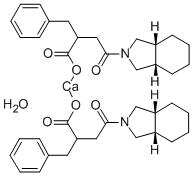
Mitiglinide calcium
(145525-41-3)-

industrial Grade / 98%
-

Industrial Grade / 99.0%
-
-hexahydro-1H-isoindol-2(3H)-yl)-4-oxobutanoate")
-


Request for quotation , get quotes from more suppliers.
Methimazole
(60-56-0)-

Pharmaceutical Grade / 99%
$6-7/MT FOB
-

Pharmaceutical Grade / 99%
-

Pharmaceutical Grade / 99%
-

Pharmaceutical Grade / 99%



Request for quotation , get quotes from more suppliers.
Source Hormones and the Endocrine System Raw Materials by Region


Frequently Asked Questions
Hormones are chemical messengers produced by glands in the endocrine system that regulate various physiological processes such as metabolism, growth, reproduction, and mood. They travel through the bloodstream to target organs or tissues, where they bind to specific receptors to trigger a response. Key endocrine glands include the pituitary, thyroid, adrenal, pancreas, and gonads. Understanding hormone function is essential for diagnosing and managing endocrine disorders like diabetes, hypothyroidism, and Cushing’s syndrome.
Common symptoms of hormonal imbalance include unexplained weight gain or loss, fatigue, mood swings, irregular menstrual cycles, sleep disturbances, changes in heart rate, and skin issues such as acne or dryness. In men, low testosterone may cause reduced libido or muscle mass, while women might experience hot flashes or infertility due to estrogen fluctuations. Persistent symptoms should be evaluated by a healthcare provider to identify underlying endocrine conditions.
Hormone testing typically involves blood, urine, or saliva samples to measure levels of specific hormones such as cortisol, thyroid hormones (T3, T4, TSH), insulin, estrogen, progesterone, or testosterone. The choice of test depends on symptoms and suspected conditions. For accurate results, timing (e.g., menstrual cycle phase) and fasting requirements may apply. These tests help diagnose disorders like hyperthyroidism, adrenal insufficiency, or polycystic ovary syndrome (PCOS) and guide appropriate treatment plans.
The pituitary gland, often called the 'master gland,' regulates other endocrine glands by secreting hormones that control thyroid function (TSH), adrenal activity (ACTH), reproductive processes (FSH and LH), growth (GH), and water balance (ADH). Located at the base of the brain, it links the nervous and endocrine systems via signals from the hypothalamus. Dysfunction—such as tumors or inflammation—can lead to widespread hormonal imbalances, affecting metabolism, fertility, and overall homeostasis.
Yes, lifestyle significantly influences hormone health. Chronic stress elevates cortisol, disrupting sleep and metabolism. Poor diet, especially high sugar intake, can impair insulin sensitivity. Lack of sleep affects melatonin and growth hormone release, while obesity alters sex hormone levels. Regular exercise, balanced nutrition, adequate sleep, and stress management (e.g., mindfulness or yoga) support endocrine balance. These modifiable factors are often foundational in preventing or managing conditions like type 2 diabetes and PCOS.