




Inorganic Chemistry
- • Elementary Substance (191)
- • Industrial Gases (21)
- • Inorganic Bases (56)
- • Inorganic Acid (57)
- • Inorganic Salts (1924)
- • Oxides and Peroxides (187)
- • Silica gel (5)
- • Non-metallic Minerals (14)
- • Coating Materials (24)
- • Phosphorus Compounds (50)
- • Iron Compounds (22)
- • Bromine Compounds (20)
Related News


Oxides and Peroxides Compound
Oxides and Peroxides
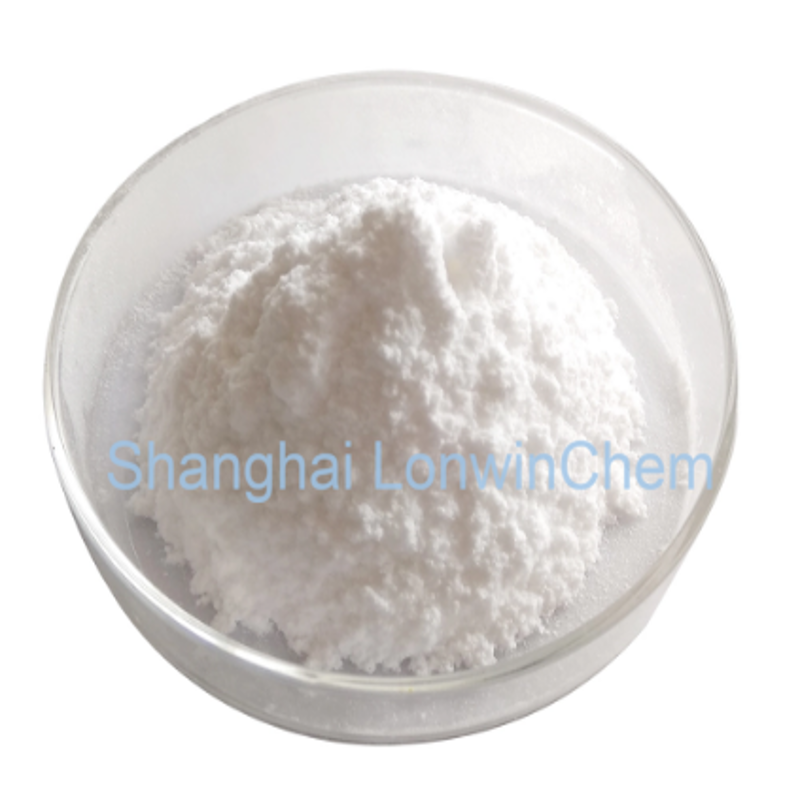
Get Oxides and Peroxides Raw Materials by RegionNickel oxide (Ni2O3)
(1314-06-3)-

Industrial Grade / 99%
-

- / 99.00%
-

Industrial Grade / 99%
-

Pharmaceutical Grade / 99%


Request for quotation , get quotes from more suppliers.
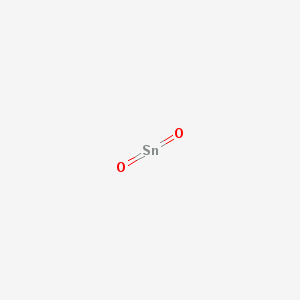
Tin oxide (SnO2)
(18282-10-5)-

Industrial Grade / 99%
-

- / 99.00%
-

-

Different Grade / 99.9%
$0.1/KG EXW

Request for quotation , get quotes from more suppliers.
Germanium oxide (GeO2)
(1310-53-8)-

Industrial Grade / 99%
-

-

- / 99%
-


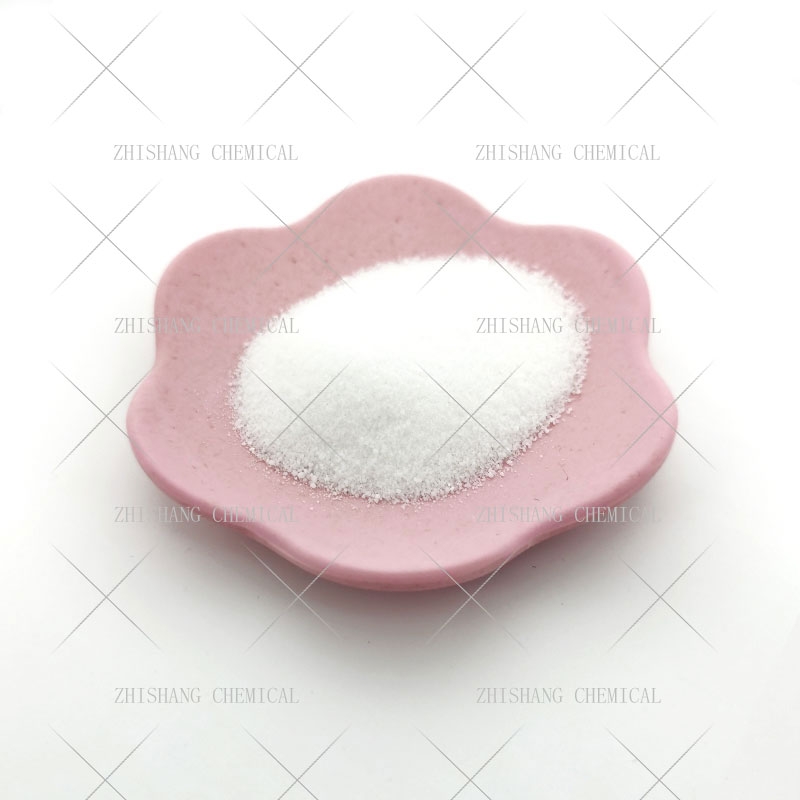
Bismuth oxychloride
(7787-59-9)-
")
$1-1.2/KG FOB
-

-

- / 99.00%
-

industrial Grade / 98%


Request for quotation , get quotes from more suppliers.
Tungsten trioxide
(1314-35-8)-

Industrial Grade / 99%
-

- / 99.00%
-
")
$1-1.2/KG FOB
-

Industrial Grade / -


Request for quotation , get quotes from more suppliers.
Silver oxide
(11113-88-5)-

- / 0.99%

Request for quotation , get quotes from more suppliers.
Manganese oxide (Mn3O4)
(1317-35-7)-

high purity battery grade / 99%
-

Chemical Grade / 99%
$1/KG FOB
-

- / 99.00%
-

Reagent Grade / 99%
$7-8/KG FOB


Request for quotation , get quotes from more suppliers.
Cadmium oxide
(1306-19-0)-

Industrial Grade / 99%
-

Industrial Grade / 99%
-

Industrial Grade / 99%
-


Request for quotation , get quotes from more suppliers.
Gadolinium Oxide
(11129-31-0)-

Industrial Grade / 99%
-

Different Grade / 99.9%
-

-


-

Industrial Grade / 99%
-

-

Industrial Grade / 99%

Request for quotation , get quotes from more suppliers.
More Information
Oxides and peroxides are essential commodities in the chemical and industrial sectors owing to their characteristics and high reactivity. For instance, copper oxide and hydrogen peroxide are known to be used in oxidation reactions as well as in catalytic processes in industries.
The difference between oxide and peroxide is that oxides have one oxygen atom while peroxides have two oxygen atoms bonded to a metal or non-metal. Some examples are glucose oxide and peroxide which are useful in biosynthesis in, the food and medicine industry.
Applications of oxides and peroxides include:
● Catalysts in the synthesis of chemicals
● Energy storage in batteries
● Biochemical reactions and enzyme biosynthesis
● Sanitizing agents and detergents
● Semiconductor and electronics manufacturing
● Food production and medicine production industries
Frequently Asked Questions
Oxides and Peroxides serve a wide range of functions across various industries. Metal oxides like zinc oxide and titanium dioxide are commonly used in paints, coatings, sunscreens, and rubber manufacturing. Peroxides, such as hydrogen peroxide and benzoyl peroxide, act as bleaching agents, disinfectants, polymerization initiators, and oxidizing agents in chemical synthesis. Their reactivity and stability make them essential in both large-scale industrial processes and specialized laboratory applications.
Some Oxides and Peroxides can pose health, fire, or environmental hazards if not handled properly. For example, organic peroxides are often thermally unstable and may decompose explosively, while certain metal oxides (e.g., chromium trioxide) are toxic or carcinogenic. Always consult the Safety Data Sheet (SDS), use appropriate personal protective equipment (PPE), and store materials according to compatibility and stability requirements. Proper training and adherence to OSHA or GHS guidelines are essential for safe handling.
Hydrogen peroxide (H₂O₂) is a liquid oxidizing agent widely used for disinfection, bleaching, and as a green oxidant in chemical reactions. Metal peroxides—such as sodium peroxide (Na₂O₂) or calcium peroxide (CaO₂)—are solid compounds that release oxygen when reacting with water or acids. They are commonly used in oxygen generation, soil remediation, and as catalysts or oxidizers in industrial processes. While both provide oxidative power, their physical forms, reactivity profiles, and applications differ significantly.
Proper storage is crucial for maintaining the integrity and safety of Oxides and Peroxides:1. Store peroxides in cool, dry, well-ventilated areas away from heat, light, and incompatible substances (e.g., reducing agents, acids, or flammables).2. Use original or chemically resistant containers; some peroxides require stabilizers or dark bottles to prevent decomposition.3. Metal oxides should be kept sealed to avoid moisture absorption or contamination.4. Regularly inspect containers for signs of degradation, especially for peroxides, which can form explosive crystals over time. Follow manufacturer recommendations and local regulatory requirements.