




Natural Products
- • Lignans (234)
- • Xanthones (46)
- • Flavonoids (471)
- • Terpenes (775)
- • Iridoid Derivatives (92)
- • Coumarin and Derivatives (121)
- • Phenols (341)
- • Steroids (104)
- • Phenylpropanoids (75)
- • Anthraquinone and Derivatives (16)
- • Chalcones (47)
- • Alkaloids (501)
- • Quinone Ring (28)
- • Sesquiterpene (228)
Related News
-
Credit Suisse triggers anxiety, international crude oil and natural gas collectively plummet
2023-03-16 -
Germany's annual natural gas imports fell by more than 10%
2023-01-17 -
Turkey announces discovery of 58 billion cubic meters of natural gas in Black Sea
2022-12-28 -
Natural gas: Sinopec and Qatar Energy signed a long-term purchase agreement
2022-12-01 -
The EU proposes to set a price ceiling of 275 euros per megawatt hour for natural gas
2022-11-24 -
German natural gas storage facility reaches 100% gas storage capacity
2022-11-22


Terpenes, Terpenoids Compounds
Terpenes
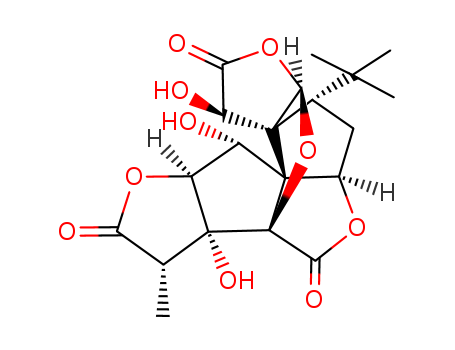
Ginkgolide B
(15291-77-7)-

Industrial Grade / 99%
-

- / 99.00%
-

Pharmaceutical Grade / 99%
-

Industrial Grade / 99%


Request for quotation , get quotes from more suppliers.
(-)-Parthenolide
(20554-84-1)-

- / 99.00%
-

Chemical Grade / 99%
-

industrial Grade / 98%
-

USP / EP / BP / JP Grade / 99.9%



Request for quotation , get quotes from more suppliers.
Hederagenin
(465-99-6)-

- / 99.00%
-

Chemical Grade / 99%
-

Industrial Grade / 98%
-

Pharmaceutical Grade / 99%


Request for quotation , get quotes from more suppliers.
Ginkgolide C
(15291-76-6)-

- / 99.00%
-

Pharmaceutical Grade / 99%
-

Chemical Grade / 99%
$5.2-6.24/G FOB
-

Pharmaceutical Grade / 99%


Request for quotation , get quotes from more suppliers.
-

- / 99.00%
-

Pharmaceutical Grade / 99%
-

Chemical Grade / 99%
$10.3-11.33/G FOB
-

Pharmaceutical Grade / 99%


Request for quotation , get quotes from more suppliers.
Atractylenolide I
(73069-13-3)-

- / 99.00%
-

Industrial Grade / 98%
-

Industrial Grade / 99%
-

Pharmaceutical Grade / 99%


Request for quotation , get quotes from more suppliers.
-

Industrial Grade / 99%
-
![buy (1S,2R,5R,7R,8R,10S,11R,14S,15S,20S)-2,6,6,10,14,17,17-Heptamethyl-21,22-dioxahexacyclo[18.2.2.0<sup>1,14</sup>.0<sup>2,11</sup>.0<sup>5,10</sup>.0<sup>15,20</sup>]tetracos-23-ene-7,8-diol]( "(1S,2R,5R,7R,8R,10S,11R,14S,15S,20S)-2,6,6,10,14,17,17-Heptamethyl-21,22-dioxahexacyclo[18.2.2.0<sup>1,14</sup>.0<sup>2,11</sup>.0<sup>5,10</sup>.0<sup>15,20</sup>]tetracos-23-ene-7,8-diol")
-

-


Request for quotation , get quotes from more suppliers.
(-)-Dehydrocostus lactone
(477-43-0)-

- / 99.00%
-

Pharmaceutical Grade / 99%
-

USP / EP / BP / JP Grade / 99%
-

Pharmaceutical Grade / 99%
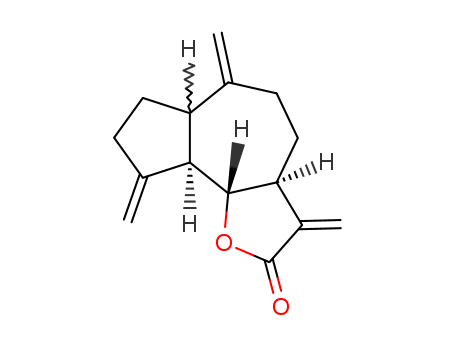


Request for quotation , get quotes from more suppliers.
(+)-Costunolide
(553-21-9)-

- / 99.00%
-

Pharmaceutical grade / 99%
$10/G EXW
-

Pharmaceutical Grade / 99%
-

Industrial Grade / 99%


Request for quotation , get quotes from more suppliers.
Saikosaponin B2
(58316-41-9)-

- / 99.00%
-

Industrial Grade / 98%
-

Pharmaceutical Grade / 10%
-

industrial Grade / 98%


Request for quotation , get quotes from more suppliers.
Frequently Asked Questions
Terpenes are naturally occurring organic compounds found primarily in plants, especially in conifers and citrus fruits. They are responsible for the distinctive aromas and flavors of many herbs, fruits, and flowers. Terpenes are widely used in the fragrance, flavor, cosmetics, and pharmaceutical industries. In recent years, they have also gained attention for their potential therapeutic effects when combined with cannabinoids in cannabis-based products.
While both terpenes and essential oils originate from plants and contribute to aroma and flavor, they are not the same. Essential oils are complex mixtures that contain various compounds, including terpenes, alcohols, esters, and other volatile substances. Terpenes, on the other hand, refer specifically to a class of hydrocarbon compounds (such as limonene, myrcene, and pinene) that form a major part of essential oils. Isolated terpenes offer more precise applications in product formulation compared to whole essential oils.
Pure, food-grade terpenes that meet regulatory standards (such as those set by the FDA or EFSA) are generally recognized as safe (GRAS) for consumption in small quantities. Similarly, cosmetic-grade terpenes can be safely used in topical formulations when properly diluted. However, undiluted or industrial-grade terpenes may cause skin irritation or other adverse effects. Always verify purity, source, and compliance with relevant safety guidelines before use.
Terpenes are commonly extracted using methods such as steam distillation, cold pressing (especially for citrus peels), solvent extraction, or supercritical CO2 extraction. Each method affects the purity, yield, and profile of the resulting terpenes. Supercritical CO2 extraction is often preferred for high-purity applications because it avoids residual solvents and preserves delicate aromatic compounds.
When sourcing terpenes, consider the following factors:1. Purity and concentration—look for GC/MS (Gas Chromatography/Mass Spectrometry) reports to verify composition.2. Origin—naturally derived vs. synthetic; natural terpenes often provide superior aroma and bioactivity.3. Regulatory compliance—ensure the product meets food, cosmetic, or pharmaceutical grade standards as needed.4. Supplier reputation—choose suppliers with transparent sourcing, consistent quality control, and industry certifications like ISO or GMP.