Eastman enters into chemical recycling offtake agreement with PepsiCo
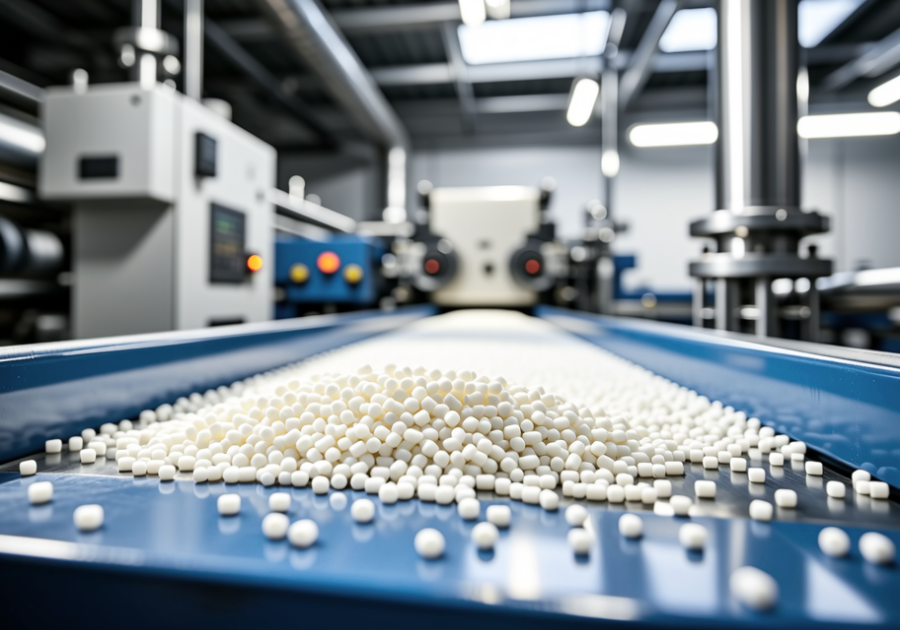
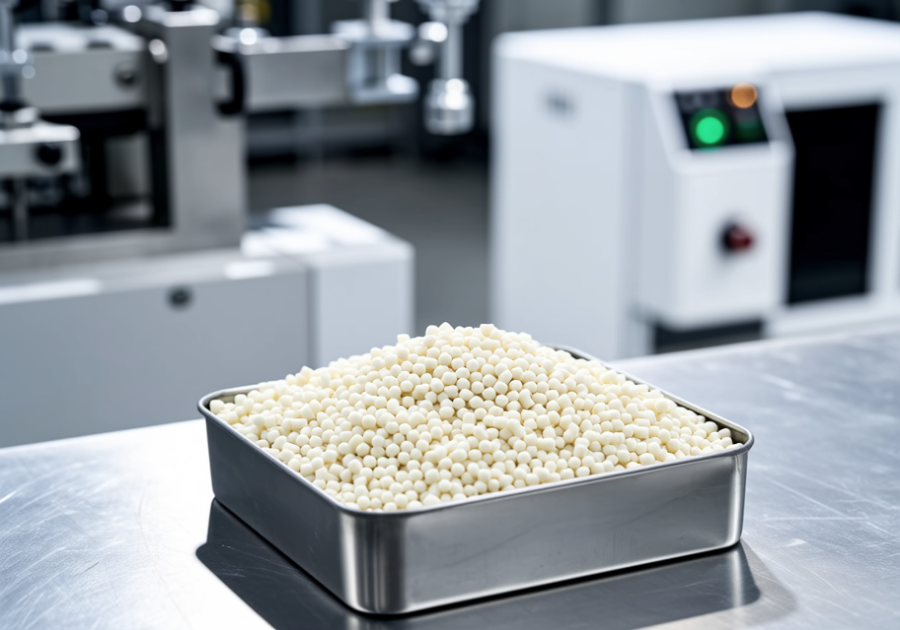
Eastman announced in its third quarter financial results that it has confirmed an offtake agreement with consumer brand giant PepsiCo for its third PET molecular recycling facility (planned) in the United States.
Although the financial statement did not specify the exact amount of offtake agreements, the molecular recycling facility has a planned input capacity of 160,000 tons/year for difficult-to-recycle PET waste and a planned output capacity of more than 150,000 tons/year.
The facility is expected to come online by the end of 2026.
The total capacity of the three plants is 420,000 tons
As Eastman stated in its earnings release, "This agreement is an important milestone for Eastman's circular Economy platform, and we look forward to making progress on this and two other molecular recycling projects in the coming quarters as we continue to show the world that anything is possible."
This latest agreement gives Eastman confidence in their base load requirements. While the location of the facility has not been announced, tax documents filed earlier this year indicate that Texas is being considered.
As reiterated on their most recent earnings call, Eastman's first plant in Kingsport, Tennessee should be completed by the end of the first quarter of 2023, with a capacity of 110,000 tons per year of difficult-to-recycle PET waste.
A few weeks ago, Eastman secured raw material supplies for a second plant in Port-Jerome-sur-Seine, France, through InterZero. With a planned investment of up to $1 billion, the facility is expected to be operational by 2025 and will recover approximately 160,000 tons of difficult-to-recycle PET waste annually.
Eastman polyester regeneration technology
Eastman calls his recycling technique "molecular recycling." Currently Eastman has two molecular recycling technologies: carbon recycling and polyester recycling.
Polyester recycling technology recycles a range of polyester plastic waste, including soft drink bottles, carpets and even polyester clothing from landfills and incinerators. It's not just clear, disposable water bottles, but also products like colored plastic bottles and carpet fibers.
Eastman's polyester regeneration technique uses glycolysis or methanol alcoholysis to depolymerize waste into basic monomers to create new materials. The resulting molecules are indistinguishable from materials made from raw or non-recycled ingredients. This process allows us to recycle polyester waste again and again without degrading over time, with a 20 to 30 percent reduction in greenhouse gas emissions compared to processes using fossil fuels.

You May Interested In


Glow70/KLOW80 99% China Peptides Warehouse Direct Delivery Lyophilized Powder in Stock
$169/UNIT FOB


2026-10-24
Trade Alert
Delivering the latest product trends and industry news straight to your inbox.
(We'll never share your email address with a third-party.)

Related News
-
Eastman and Huafon Chemical to Establish Cellulose Acetate Yarn Production Plant in China
-
Eastman Launches Esmeri CC1N10 for Color Cosmetics
-
Eastman Tritan Products for FANCL Cosmetics Packaging
-
Eight Eastman Copolyester Resins Receive RecyClass Certification
-
Eastman, Covestro and Ceres team up for holographic transparent displays
-
Eastman Invests in Interlayer Production in Europe
-
UPM Specialty Papers and Eastman launch innovative compostable food paper packaging
-
Eastman Q2 2024 Sales Revenues Up 2% on Higher Volumes
-
Eastman launches Naia Renew for denim
-
Eastman begins on-spec production of Kingsport molecular recycling facility
Recommend Reading
-
![Bayer Wins Big on Roundup]()
Bayer Wins Big on Roundup
-
![Syngenta Gets a New Boss]()
Syngenta Gets a New Boss
-
![Profit Soars While Sales Dip: Syngenta Group Defies Headwinds with 28% EBITDA Surge in Q3 2025]()
Profit Soars While Sales Dip: Syngenta Group Defies Headwinds with 28% EBITDA Surge in Q3 2025
-
![Covestro CEO: The EU Must Decide Which Industries to Protect, or Energy-Intensive Sectors Will Move Out]()
Covestro CEO: The EU Must Decide Which Industries to Protect, or Energy-Intensive Sectors Will Move Out
-
![INEOS Warns Chinese Chemical “Dumping” Is Hitting Europe’s Industry]()
INEOS Warns Chinese Chemical “Dumping” Is Hitting Europe’s Industry
-
![Nature’s Blueprint, Science’s Edge: Corteva Unveils Twin Breakthroughs to Tackle the $70 Billion Insect Threat]()
Nature’s Blueprint, Science’s Edge: Corteva Unveils Twin Breakthroughs to Tackle the $70 Billion Insect Threat
-
![Consumption Fails to Match High Supply, October PP Refutes Peak Season Trend in China]()
Consumption Fails to Match High Supply, October PP Refutes Peak Season Trend in China
-
![Price Cuts and Weak Demand Create Tension as October PC Prices Rise, Then Retreat]()
Price Cuts and Weak Demand Create Tension as October PC Prices Rise, Then Retreat
-
![Fundamental Factors Fail to Deliver Positive Momentum; October ABS Prices Gradually Decline]()
Fundamental Factors Fail to Deliver Positive Momentum; October ABS Prices Gradually Decline
-
![In October, the Chinese marine fuel market trended downward with fluctuations]()
In October, the Chinese marine fuel market trended downward with fluctuations