Petroleum vs Petrolatum: What are Their Differences
Petroleum vs. petrolatum, what are their differences? These two words seem too similar, it's easy for us to confuse their spelling. However, there exist obvious differences in their meanings and applications. Let's keep exploring.
What is Petrolatum?
Petrolatum is another well-known term for Vaseline. Petrolatum is a type of ointment that was purified and refined by American pharmacists in the 19th century from petroleum residue. It does not decay or spoil, which led to its commercialization and the name Vaseline.
It has inherent inertness, which means it has excellent stability, establishing qualities like preservation and gentleness.
Simultaneously, the film of oil it forms on surfaces is very stable, often used in industries as a sealing agent for rust prevention, corrosion protection, and preservation. It also acts as a lubricant due to its smooth texture and a certain degree of stringiness.
Originally, Vaseline in the American consumer market wasn't just a skincare product but also a medication for healing wounds caused by cuts, and abrasions. Vaseline doesn't have anti-inflammatory properties. However, when applied to minor wounds, it effectively isolates air and bacteria, allowing the skin to heal quickly without external interference. Of course, it should not be used on burns since the skin swells after a burn and needs to breathe, while Vaseline can trap moisture and prevent it from evaporating.
What is Petroleum?
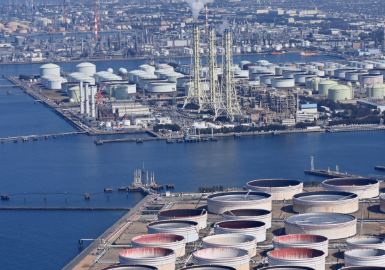
Petroleum is a word we are familiar with. The most popular theory for how petroleum was created is speculated that it could’ve relied on remains of animals/plants being buried in the dirt over many centuries, then mixed with some organic material, which took millions upon millions of years to shape.
Petroleum is “the lifeblood of industry” and is the main source of energy and raw material used in the chemical industries of today’s society. This has fueled the world’s energy revolution and the birth of modern chemistry since the 1960s. Countries have switched from coal to oil on a massive scale resulting in large growth in the relative share of petroleum in the global energy consumption pattern. As the number 1 reason for rapid industrialization and economic growth, it is an imperative ingredient in national economies now.
It’s a strategic commodity as well, vital to the existence of countries in this age. As an energy source, oil has become crucial to today’s transportation and military industries, fueling vehicles including cars, planes, boats, warships, and tanks.
Petroleum vs. petrolatum: what are their differences?
Petrolatum is a petroleum-derived substance, which means its raw material is petroleum. How is petrolatum extracted from petroleum? It can be done through the following steps:
1. Raw Material: Petroleum is a finite resource that comes from organic material in the ground. Crude oil, which we obtain largely via drilling, serves as raw stuff for producing petroleum. Crude oil is a complex blend containing different hydrocarbons.
2. Refining: As crude oil is passed through various refining processes (distillation and fractionating) a separation of certain components takes place. The separation of different compounds in crude oil is done on their boiling points as well as molecular weights. Crude Petroleum is refined to produce Light Mineral Oil which can be extracted and used as the starting raw material for producing petrolatum.
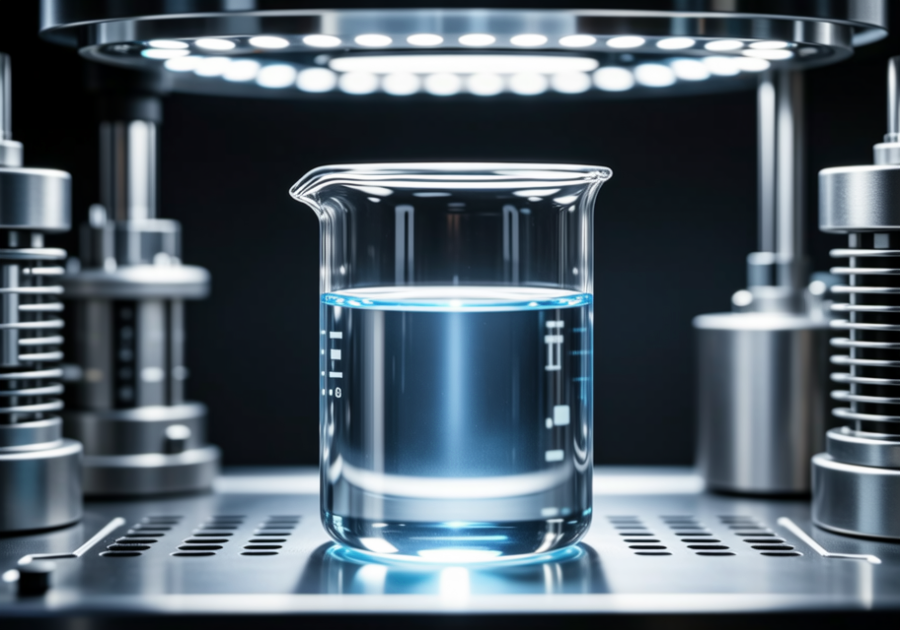
3. Processing and Purification: The extracted light mineral oil is subjected to additional treatment and refining processes to eliminate imperfections and pollutants. Therefore, all excess hydrocarbons are removed, and this results in a final refined oil called petrolatum which is colorless, odorless, and tasteless.
4. Preparation of Petrolatum: After this process, what we get left is called petrolatum. This product is a white to off-white semi-solid having good moisturizing and lubricious properties which is widely utilized for making pharmaceutical and cosmetic products.
In summary, we can distinguish the differences between petroleum vs. petrolatum: petroleum is basically an organic liquid made up of Hydrocarbons (Alkanes, Alkenes, and Aromatic Hydrocarbons) with minor impurities like Sulphur, Nitrogen & Oxygen, etc. Petroleum is typically utilized for energy production, fuel, and the chemical industry. It is a naturally occurring resource made from ancient organic material from below the ground.
In contrast, petrolatum is a petroleum-based substance. It’s white waxy solid, which is great for moisturizers, lipsticks, lotions, creams, etc., widely used in the pharmaceuticals and cosmetic industries.
Petroleum vs. Petrolatum — the main differences between them are their chemical composition and uses. It is important to note that petrolatum is typically derived from petroleum, which is a naturally occurring hydrocarbon mix predominantly used for energy production and the chemical industry, while petrolatum is an oil-like substance used mostly in pharmaceuticals and cosmetic products.

You May Interested In


SS-31 Cosmetic peptides, discounted price improving cognitive impairment factory supply
$8E+1/UNIT FOB


2026-09-16
Trade Alert
Delivering the latest product trends and industry news straight to your inbox.
(We'll never share your email address with a third-party.)

Related News
-
BASF Raises European Amines by Up to 30% and LANXESS Raises Inorganic Pigments by Up to 20%
-
Covestro Minority Shareholder Squeeze-Out Price Set at €59.46 per Share
-
Merck Nears Acquisition of Cidara to Strengthen Flu Prevention Arsenal
-
Novo Nordisk Sounds the Alarm: Growth Headwinds Loom Over Global Operations in 2026
-
Biocon Weighs Merger of Biocon Biologics to Unlock Value
-
BASF’s €8.7 Billion Zhanjiang Verbund Site Fully Operational
-
Multiple Chemical Industry Leaders Post Strong H1 Earnings Growth as Sector Profitability Revives
-
Overseas Up, China Down: The Global MDI Market Is Splitting Apart
-
Middle East Capital Moves In: SABIC Plans RMB 33 Billion Stake in Rongsheng Petrochemical
-
“Amputate to Survive, or Bleed to Feed the Vultures?”: Dow’s 4,500 Layoffs Reveal the Life-or-Death Battle in Global Chemicals
Recommend Reading
-
![“Europe’s Chemical Industry Is Bleeding”: 37 Million Tons of Capacity Shut Down in 4 Years—Is the Industrial Heartbeat Failing?]()
“Europe’s Chemical Industry Is Bleeding”: 37 Million Tons of Capacity Shut Down in 4 Years—Is the Industrial Heartbeat Failing?
-
![“Hidden Champion” Swallowed Whole: PPG’s Acquisition of EMM Isn’t Just About Three Brands—It’s a Grab for the Next Decade’s Coating Authority]()
“Hidden Champion” Swallowed Whole: PPG’s Acquisition of EMM Isn’t Just About Three Brands—It’s a Grab for the Next Decade’s Coating Authority
-
![5%–10% Is Just the Surface: Behind Dow’s Greater China Price Letter Lies a Global Repricing of Silicones]()
5%–10% Is Just the Surface: Behind Dow’s Greater China Price Letter Lies a Global Repricing of Silicones
-
![Asahi Kasei, Mitsui Chemicals, and Mitsubishi Chemical Agree in Principle to Establish New Joint Venture to Restructure Ethylene Production in Western Japan]()
Asahi Kasei, Mitsui Chemicals, and Mitsubishi Chemical Agree in Principle to Establish New Joint Venture to Restructure Ethylene Production in Western Japan
-
![Evonik Achieves Successful Trial Production at Shanghai Polyamide Plant]()
Evonik Achieves Successful Trial Production at Shanghai Polyamide Plant
-
![January Propylene Glycol Market Prices Keep Rising]()
January Propylene Glycol Market Prices Keep Rising
-
![January China Phenol Market Experiences a Significant Price Increase]()
January China Phenol Market Experiences a Significant Price Increase
-
![Crude Oil Boosts Gasoline and Diesel Prices in Shandong Refineries, China]()
Crude Oil Boosts Gasoline and Diesel Prices in Shandong Refineries, China
-
![Business Society’s Market Outlook for Fuel Oil 180CST on August 17, 2026: Volatile (Bullish Tendency)]()
Business Society’s Market Outlook for Fuel Oil 180CST on August 17, 2026: Volatile (Bullish Tendency)
-
![Business Society’s MTBE Market Outlook on August 17, 2026: Slightly Bearish Consolidation]()
Business Society’s MTBE Market Outlook on August 17, 2026: Slightly Bearish Consolidation