Millions at Risk as CDC to Halt Fluoride Push After 80 Years
On April 7, U.S. Health and Human Services Secretary Robert F. Kennedy Jr. made a bold announcement in Salt Lake City, declaring he will direct the CDC to stop recommending fluoride in public drinking water nationwide. Kennedy confirmed the launch of a specialized panel to review scientific data and deliver updated guidance on the matter.
The same day, EPA Administrator Lee Zeldin revealed the agency is now reassessing emerging evidence on fluoride-related health risks, suggesting significant policy shifts could follow.
The move signals a potential end to nearly 80 years of federal backing for water fluoridation—a practice first introduced in Grand Rapids, Michigan, in 1945, credited with slashing U.S. dental decay rates. Yet mounting studies now warn of fluoride overexposure’s link to cognitive impairments and dental fluorosis in children.
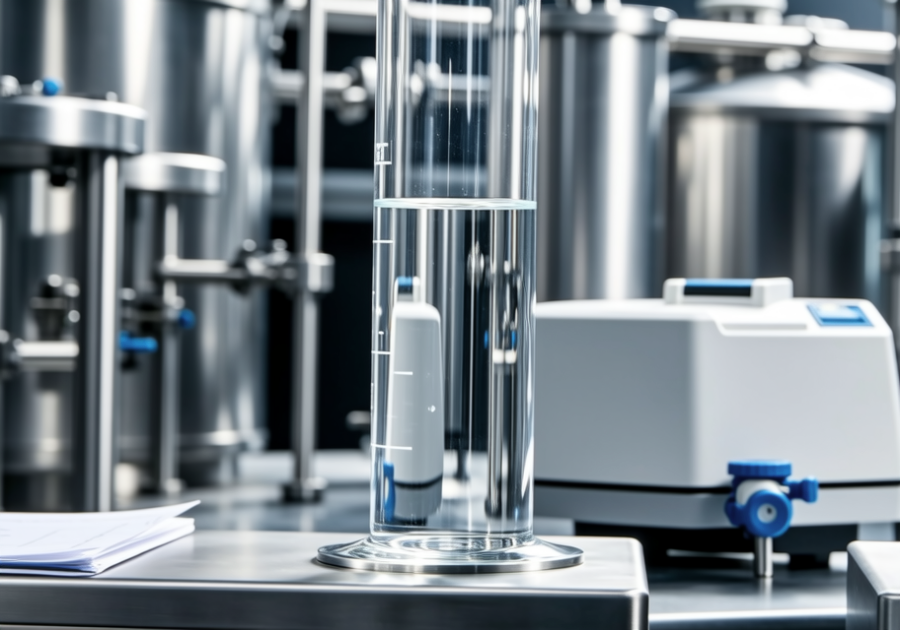
Although fluoride occurs naturally in water, excessive intake has raised red flags. A 2023 report from the National Toxicology Program indicated that fluoride levels above 1.5 mg/L could impair child development. Meanwhile, the CDC’s current recommended level is 0.7 mg/L—a figure now under scrutiny.
States and municipalities still hold ultimate control over fluoride use. But recent developments suggest the tide is turning. Utah Governor Spencer Cox signed a law last month mandating a statewide ban on fluoridation by May 7, making Utah the first U.S. state to prohibit the additive.
However, the decision has drawn backlash. Dental experts argue fluoride remains a critical defense against cavities, especially for low-income families. Lorna Koch, head of the Utah Oral Health Alliance, warned that childhood tooth decay will likely surge without fluoridated water.
As of 2022, roughly two-thirds of Americans still consume fluoridated water. That may change soon. The outcome of the CDC’s internal review and the EPA’s risk report could reshape U.S. public health policy for decades to come.

You May Interested In


High Quality β-Nicotinamide adenine dinucleotide CAS 53-84-9 NADwith ready stock and best price
$3/UNIT FOB


2026-10-14
Trade Alert
Delivering the latest product trends and industry news straight to your inbox.
(We'll never share your email address with a third-party.)

Related News
-
Hormuz Closes, Paint Feels It First: How a Barrel of Oil Rewrites the Cost of Every Barrel of Coatings
-
Titanium Dioxide Prices Are Up Again! This Round of Increases Has One Real Driver: Sulfuric Acid
-
Trump Tariff "Boomerang": $2.5 Billion Polysilicon Factory Faces Shutdown Crisis
-
Retinol in Cosmetics: Regulatory Tightening and Market Changes
-
This Is Not a Price Increase Wave but a Full-Blown Cost Squeeze Across China’s Coatings Chain
-
U.S. Strikes Three Iranian Tankers as “Tanker-for-Tanker” Escalation Raises Chemical Shipping Risk
-
Panama Canal Delays Deeper Draft Cut, but Transit Capacity Is Still Tightening
-
Middle East Conflict Pushes Up Oil Prices as More Than 100 Chemical Raw Materials Rise in Concentration
-
Redwall Raises Prices by as Much as 80%, Songwon Launches Global Increases, and Chemical Companies Are Collectively Passing On Costs
-
UAE Withdraws from OPEC
Recommend Reading
-
![Celanese to Close Acetate Tow Plant in Lanaken, Belgium by 2026]()
Celanese to Close Acetate Tow Plant in Lanaken, Belgium by 2026
-
![Huide Technology Partners with U.S. Firm to Open the Door to Mass Production of Circular TPU]()
Huide Technology Partners with U.S. Firm to Open the Door to Mass Production of Circular TPU
-
![$530 Million Lawsuit Unheard, $76 Million Counterclaim Filed: Is Qicai Chemical’s ‘Reputation Defense’ a Desperate Last Stand or a Calculated PR Gambit?]()
$530 Million Lawsuit Unheard, $76 Million Counterclaim Filed: Is Qicai Chemical’s ‘Reputation Defense’ a Desperate Last Stand or a Calculated PR Gambit?
-
![Alipay, Baidu, and iFlytek Win Big—As the Government Spends $1.1 Billion on AI Healthcare, Is This a Lifeline or a Feeding Frenzy for Tech Giants?]()
Alipay, Baidu, and iFlytek Win Big—As the Government Spends $1.1 Billion on AI Healthcare, Is This a Lifeline or a Feeding Frenzy for Tech Giants?
-
![The Revenge of Titanium Dioxide: When a Ton of Pigment Ignites a Silent Uprising in China’s Chemical Industry]()
The Revenge of Titanium Dioxide: When a Ton of Pigment Ignites a Silent Uprising in China’s Chemical Industry
-
![Business Society’s Market Outlook for MIBK on September 4, 2026: Fluctuating Trend]()
Business Society’s Market Outlook for MIBK on September 4, 2026: Fluctuating Trend
-
![Business Society’s Market Outlook for Dichloromethane on September 4, 2026: Volatile Fluctuations]()
Business Society’s Market Outlook for Dichloromethane on September 4, 2026: Volatile Fluctuations
-
![Business Society’s PVC Market Outlook on September 4, 2026: Relatively Strong Fluctuations]()
Business Society’s PVC Market Outlook on September 4, 2026: Relatively Strong Fluctuations
-
![Business Society’s Market Outlook for Natural Rubber on September 4, 2026: Short-Term Price Fluctuations to Continue]()
Business Society’s Market Outlook for Natural Rubber on September 4, 2026: Short-Term Price Fluctuations to Continue
-
![Business Society’s Market Outlook for Acrylonitrile on September 4, 2026: Volatile]()
Business Society’s Market Outlook for Acrylonitrile on September 4, 2026: Volatile