ExxonMobil Eyes $1 Billion Petrochemical Asset Sale in Europe Amid Industry Downturn
ExxonMobil is reportedly weighing the sale of several petrochemical plants in the UK and Belgium, with potential valuations reaching $1 billion, according to people familiar with the matter. The move comes as Europe’s petrochemical sector grapples with a prolonged downturn, forcing even energy giants to rethink their portfolios.
Sources told reporters that the company has already engaged advisers for preliminary talks, though no final decision has been made. If completed, the deal would mark another chapter in the ongoing wave of capacity optimization and divestments that has swept across Europe’s petrochemical landscape over the past 18 months.
According to S&P Global Commodity Insights, ExxonMobil operates an 830,000 mt/year steam cracker at Mossmorran in the UK, adjacent to Shell’s Fife gas and liquids facility, which supplies ethane feedstock. The two companies share output from the cracker on a 50/50 basis. In Belgium, ExxonMobil owns two low-density polyethylene (LDPE) units, further underscoring its integrated presence in the region.
ExxonMobil’s UK website also highlights its Fawley integrated refining and petrochemical complex, with refining capacity of 270,000 barrels per day and petrochemical output of roughly 650,000 mt/year, including propylene, solvents, synthetic rubbers, and oligomers. Meanwhile, the company’s Rotterdam refinery hosts a large aromatics facility, though this asset is reportedly excluded from the potential sale.
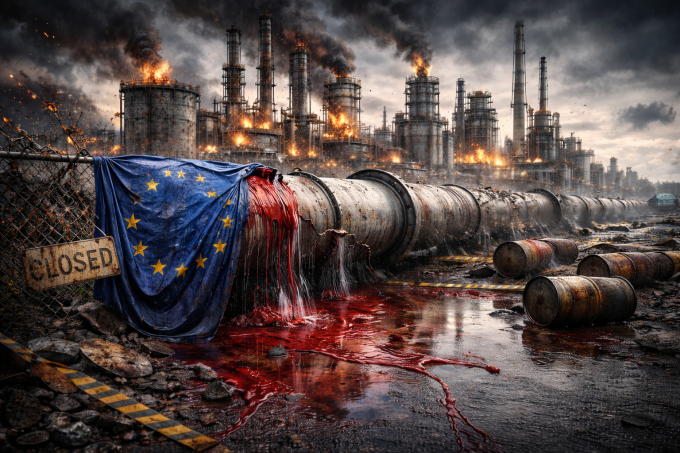
The backdrop to this possible divestment is stark. Since April 2024, major players including ExxonMobil, Shell, SABIC, Dow, Versalis, and TotalEnergies have announced plans to permanently shut down seven European steam crackers by 2027, with multiple other plants placed on the auction block. ExxonMobil itself shuttered its 425,000 mt/year Gravenchon cracker in France last year, along with related derivative units.
The structural pressure is clear: high energy costs, weaker demand for plastics, and tightening climate policies have made Europe one of the least competitive regions for olefins production. For ExxonMobil, selling down assets could signal a pragmatic retreat from an increasingly hostile market, allowing the company to redeploy capital into more profitable growth areas, including North American petrochemicals and low-carbon ventures.
In essence, the potential $1 billion asset sale underscores not just ExxonMobil’s shifting strategy, but the broader unraveling of Europe’s petrochemical industry. What was once a cornerstone of the continent’s industrial power is now being dismantled plant by plant, under the weight of global overcapacity and the transition to a low-carbon future.

You May Interested In


Glow70/KLOW80 99% China Peptides Warehouse Direct Delivery Lyophilized Powder in Stock
$169/UNIT FOB


2026-10-23
Trade Alert
Delivering the latest product trends and industry news straight to your inbox.
(We'll never share your email address with a third-party.)

Related News
-
COSMAX Acquires 51% Stake in Keminova, Establishes First European Production Base
-
Can the Manufacturing Sector Withstand Dow’s April Polyethylene Price Doubling?
-
Merck to Lay Off 150 Workers at US Gardasil Plant Amid Sales Weakness
-
BASF Launches Global Expansion Plan for Aroma Ingredients
-
BASF Launches Global Expansion Plan for Aroma Ingredients
-
Shell Polymers Explosion Caused About $95 Million in Damage, U.S. CSB Finds
-
Wanhua Chemical Establishes a RMB 1.488 Billion New Energy Materials Company in Weifang, Further Integrating Green Power and Battery Materials Businesses
-
Indorama Secures RMB 2.4 Billion Loan to Expand Urea Capacity in Anyang
-
Supply Chain Resilience Reshapes Chemical Competition: What Lies Behind BASF’s Stable Outlook
-
Beiersdorf Launches Eucerin Skincare Brand in Japan
Recommend Reading
-
![Wanhua Chemical's Fujian 800,000 t/y MDI Plant Undergoes Scheduled Maintenance]()
Wanhua Chemical's Fujian 800,000 t/y MDI Plant Undergoes Scheduled Maintenance
-
![“Hidden Champion” Swallowed Whole: PPG’s Acquisition of EMM Isn’t Just About Three Brands—It’s a Grab for the Next Decade’s Coating Authority]()
“Hidden Champion” Swallowed Whole: PPG’s Acquisition of EMM Isn’t Just About Three Brands—It’s a Grab for the Next Decade’s Coating Authority
-
![“Europe’s Chemical Industry Is Bleeding”: 37 Million Tons of Capacity Shut Down in 4 Years—Is the Industrial Heartbeat Failing?]()
“Europe’s Chemical Industry Is Bleeding”: 37 Million Tons of Capacity Shut Down in 4 Years—Is the Industrial Heartbeat Failing?
-
![“Amputate to Survive, or Bleed to Feed the Vultures?”: Dow’s 4,500 Layoffs Reveal the Life-or-Death Battle in Global Chemicals]()
“Amputate to Survive, or Bleed to Feed the Vultures?”: Dow’s 4,500 Layoffs Reveal the Life-or-Death Battle in Global Chemicals
-
![Merck and Eisai Halt Late-Stage Trial for Liver Cancer Therapy]()
Merck and Eisai Halt Late-Stage Trial for Liver Cancer Therapy
-
![Cost Increase Leads to Volatile Rise in January DOP Prices]()
Cost Increase Leads to Volatile Rise in January DOP Prices
-
![This Week's Styrene Market Rises (1.12-1.16) in China]()
This Week's Styrene Market Rises (1.12-1.16) in China
-
![This week, caustic soda prices showed a weak trend (1.12-1.16)]()
This week, caustic soda prices showed a weak trend (1.12-1.16)
-
![This Week, the Price of Polyester Bottle Chips First Increased and Then Decreased, Falling Within the Week]()
This Week, the Price of Polyester Bottle Chips First Increased and Then Decreased, Falling Within the Week
-
![This Week's PVC Market Shows Narrow Range Fluctuations (1.12-16)]()
This Week's PVC Market Shows Narrow Range Fluctuations (1.12-16)