High Inventory Power Coal Price Pressure in China Power Plant
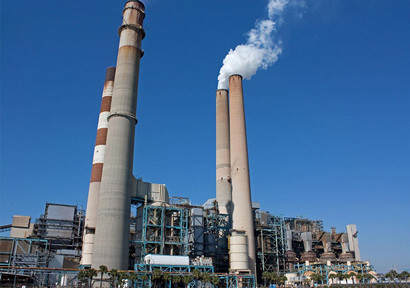
On May 16, analysts at Citibank said in a research report that China's demand for power coal was on the rise as the summer peak came. However, due to the high inventory of power plants, it is expected that the price of power coal will still be under downward pressure in the coming weeks. According to the data released by the National Bureau of Statistics on May 15, China's total power generation reached 544 billion kWh in April, an increase of 3.8% over the same period of last year, but a decrease of 4.5% over March's 569.8 billion kWh.
"Demand for electricity has declined due to weak industrial activities, but if the government adopts demand stimulus policy, it may end this situation." Research reports show that. Data from the National Bureau of Statistics show that in April, China's thermal power output fell by 0.2% year-on-year. In the same month, China's renewable energy generation increased significantly, as hydropower increased by 18.2% year-on-year, while nuclear power and solar power increased by 28.8% and 13.4% year-on-year, respectively.
Renewable energy includes hydropower, wind and solar power. According to the data, renewable energy generation accounted for 25.4% of the total electricity generation in China from January to April this year, an increase of 1.8 percentage points over the same period last year.
"Although the demand for coal is basically the same as the same year before, with the arrival of the peak coal consumption in summer, the demand for coal is expected to show an upward trend." The report shows. The report shows that coal stocks in power plants in China are still high, which will put downward pressure on power coal prices in the coming weeks.
Recently, the daily consumption of power plants in China is on the rise due to the rising temperature. As of May 16, the daily consumption of power plants increased from about 550,000 tons in the previous week to about 619,000 tons. The inventory of major power enterprises is about 16.32 million tons, and the available days are 26 days. Recently, Sino-US trade disputes have continued, and the RMB exchange rate against the US dollar has declined, leading to a decline in domestic coal demand.
Citibank pointed out that with the strengthening of coal mine safety inspection in China, coal production was affected. In April, China's raw coal production decreased by 0.1% year-on-year, and the ring-to-ring ratio also decreased.

You May Interested In


High Quality β-Nicotinamide adenine dinucleotide CAS 53-84-9 NADwith ready stock and best price
$3/UNIT FOB


2026-10-17
Trade Alert
Delivering the latest product trends and industry news straight to your inbox.
(We'll never share your email address with a third-party.)

Related News
-
Teijin develops highly stretchable fibers from plants and renewable raw material
-
Liquid chlorine leakage accident occurred in a chemical plant from Zibo Shandong
-
General overview of global plant extracts market
-
Plant protein is more beneficial to health than animal protein
-
The second phase of Nippon Plant in Henan was opened
-
Hubei: coal supply is tightening, and relevant enterprises need to improve
-
Will coal prices rise in the northern port next week?
-
Both sides of coal and electricity are waiting for long-term negotiation
-
Market rise and fall, can coke price withstand this round decline?
-
Real situation of power coal in production area
Recommend Reading
-
![Fertilizer Costs Rise as Middle East Tensions Pressure Global Food Production]()
Fertilizer Costs Rise as Middle East Tensions Pressure Global Food Production
-
![Fertilizer Costs Rise as Middle East Tensions Pressure Global Food Production]()
Fertilizer Costs Rise as Middle East Tensions Pressure Global Food Production
-
![Chemicals Take the Hit as China's Markets Thin Out — Wanhua, Juhua Chemical Slide Over 2%]()
Chemicals Take the Hit as China's Markets Thin Out — Wanhua, Juhua Chemical Slide Over 2%
-
![USDA Puts Fresh Money Into Local Food Markets]()
USDA Puts Fresh Money Into Local Food Markets
-
![Vietnam Drives ASEAN Towards a Modern Economy]()
Vietnam Drives ASEAN Towards a Modern Economy
-
![Cyclohexane Market Maintains Overall Supply-Demand Balance in China]()
Cyclohexane Market Maintains Overall Supply-Demand Balance in China
-
![Polyester Bottle Flakes Surge in June, Then Plunge Sharply]()
Polyester Bottle Flakes Surge in June, Then Plunge Sharply
-
![March Ammonium Sulfate Market Continues to Rise in China]()
March Ammonium Sulfate Market Continues to Rise in China
-
![Supply and Demand Under Pressure: Toluene Market Downward Trend in June]()
Supply and Demand Under Pressure: Toluene Market Downward Trend in June
-
![FDA Color Policy Uncertainty Opens a New Chapter for Food Ingredient Reform]()
FDA Color Policy Uncertainty Opens a New Chapter for Food Ingredient Reform