New Way to Eat Food, Soft-boiled Eggs are the Most Nutritious
We still remember being forced to eat a hard-boiled egg every day when I was a child, and I felt that in my parents' eyes eggs were everything, needed for growing a body and a brain. The truth is that eggs are really nutritious.
Eggs are similar in composition to human proteins & high absorption rate with an amino acid score of 100
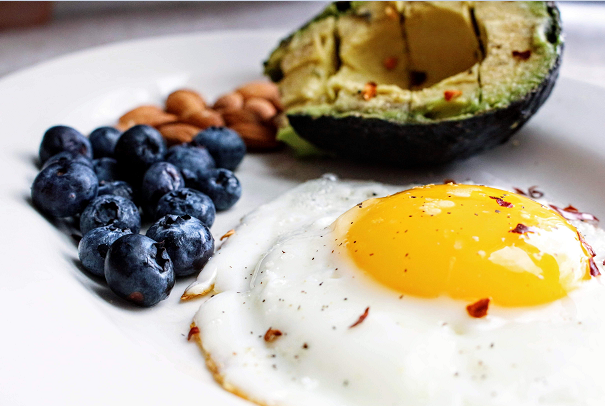
Eggs are rich in lecithin, calcium, phosphorus, Fe, vitamins A, vitamins D and vitamins B. Although egg yolks are high in cholesterol, they are also rich in lecithin, which prevents cholesterol and fat from being deposited on the walls of blood vessels, and two eggs are fine in terms of the ratio of nutrients required by adults in a day.
Eggs are similar in composition to human proteins and have a high absorption rate, with an amino acid score of 100. The same is true for milk, while rice has a low lysine score of 61 and must be eaten with other foods. Fruits also have a score of less than 100.
The amino acid score (ASS) is a value used to evaluate the rate of essential amino acids in food and reflects the nutritional value of food proteins.
Eight of the 20 amino acids that make up human protein are essential amino acids that cannot be synthesized on their own and must be obtained from food. These eight amino acids are like the planks of a bucket, all reaching a certain height in order to fill it up.
And how do the eggs come out. In the hen's body, when the yolk matures and is discharged, it passes through the oviduct to the protein-secreting part, where the tether and protein are formed. The egg shell membrane is then formed in the isthmus and finally in the uterus before entering the cloaca and exiting the body.
The difference in egg size is in the egg white, with the yolk being almost the same size. Younger chickens with smaller heads lay smaller eggs, and in summer they eat less feed and lay smaller eggs, depending on the type of chicken. If you want to use a lot of egg whites in your cooking, buy a large size. For yolk-based dishes, buy a smaller size.
The color of eggs varies depending on the breed of chicken, the living environment, as eggs laid in an environment with long hours of sunlight will be lighter in color, and the age of the chicken, as eggs laid by younger chickens will be more shiny. But their nutrition is actually the same (excluding some breeds of improved, highly nutritious eggs).
The various nutrients in a semi-cooked egg
Most easily absorbed
Do you know how to cook the coarse, half-cooked and hot spring eggs that are often found in Japanese food?
The process of boiling an egg is a process of heating the protein to denature and solidify. The egg white starts to solidify at 58°C and completely solidifies at 80°C. The yolk coagulates at 65°C to 70°C and stays at this temperature for complete coagulation. Therefore, knowing the temperature of the egg white and yolk, you can freely control the degree of hardness and softness of the egg.
For 64-70g eggs, boiled eggs in boiling water or cold water are fine, as long as the heating time is controlled, the results obtained can be similar.
Raw, semi-cooked and fully cooked eggs are not quite the same in terms of nutrient absorption, with raw eggs having the highest vitamin absorption rate. Biotin (VB7) can be better absorbed in fully cooked eggs (the anti-biotin protein component in raw eggs can prevent biotin absorption).
The various nutrients in half-cooked eggs are most easily absorbed, and the difference in digestion time can be as much as one hour compared to fully cooked eggs. That's why the onsen eggs that appear frequently in Japanese food, half-cooked eggs, are actually both beautiful and nutritious.
If you like semi-cooked, we recommend a method that is easy and convenient and guaranteed not to fail.
Refrigerate 64-70g of eggs, put them in after the water boils, cook them for 2.5 minutes, then keep them warm for about 10-20 minutes, then cool them.
When boiling eggs, the egg temperature rises rapidly from the outside to the inside, and the egg white part is significantly higher and faster than the yolk part, so the egg white is completely solidified first than the yolk.
Hot spring eggs are kept at 65℃-70℃ for 20-30 minutes, which is the temperature at which the egg yolk solidifies, but lower than the 80℃ at which the egg white solidifies completely, so the egg yolk is half cooked and the egg white is half solidified, and the egg white is softer than the egg yolk.
It is important to note that fresh eggs must be used to make spa eggs and semi-cooked eggs, and if you are concerned about salmonella contamination, the eggs should be cooked thoroughly.
Cool the cooked eggs immediately in ice water or in the refrigerator freezer for 5 minutes to cool them down quickly. When peeling the shells try to crack them as much as possible, or you can operate them under running water, which will make them easier to peel.
There are also many convenient products available, such as tools for making holes in eggs to make it easier to peel them, and timers for boiling eggs in cold water to show the softness of the yolk by changing color.
Several "magical" ways to eat eggs
In addition to frying, eggs can also be cooked in this way
Omelette, scrambled eggs, steamed eggs, boiled eggs, etc. Eggs have an unshakeable position in the culinary world, both as the main character and as a supporting role in the coat of bread, cakes and fried foods. So many boiled eggs should not be wasted, of course.
1. Use them with rice or bread, and mix them with salad in harmony.
2. Make eggs with Japanese sauce. Mix aioli, soy sauce, sugar and wine in the ratio of 2:2:2:1, boil and evaporate the alcohol, then store the eggs and sauce in the refrigerator. If you don't want to shell the egg, you can also crack it and soak it, similar to the way you cook tea eggs. When you eat it, cut it into two and remove it perfectly with a spoon.
3. Egg sandwiches are also very convenient. Chopped eggs, sprinkled with pepper salt, mixed with mayonnaise, sandwiched in the middle of buttered bread, all in two, and you're done.
It takes a hen 24 hours to lay an egg, from the time the ovaries expel the mature yolk to the time the egg is expelled from the body, so we should cherish each egg and avoid wasting it.

You May Interested In


High Quality β-Nicotinamide adenine dinucleotide CAS 53-84-9 NADwith ready stock and best price
$3E+1/UNIT FOB


2026-10-22
Trade Alert
Delivering the latest product trends and industry news straight to your inbox.
(We'll never share your email address with a third-party.)

Related News
-
Paraguayan egg prices cause public discontent An industry association analyzes why
-
Media: Rising U.S. egg prices have led to a surge in demand for chicken farming
-
Brazil publishes an officially registered broiler slaughterhouse inspection procedure based on a risk assessment
-
Technological innovation drives strong growth in pea protein market
-
Do You Know the Real Benefits of Eating Bird's Nest?
-
Progress in the Study of Aromatic Rice Sorghum Products
-
Align with National Nutrition Improvement, Promote the Evolution of Soy Milk Industry
-
Can Artificial Meat Achieve the Full Flavor and Taste of Real Meat
-
China is the Largest Market for Korea's Instant Noodle Exports
-
Erythritol-Pure Natural ZERO Calorific Value
Recommend Reading
-
![Hormuz Reopening Signal: 155 Tankers Still Waiting]()
Hormuz Reopening Signal: 155 Tankers Still Waiting
-
![“Changing the Captain at Sea”: Hempel’s CEO Departs to Run a Ferry Giant—This Isn’t a Resignation Notice, It’s an Industry Stress Map]()
“Changing the Captain at Sea”: Hempel’s CEO Departs to Run a Ferry Giant—This Isn’t a Resignation Notice, It’s an Industry Stress Map
-
![Australia Launches Anti-Circumvention Trade Probe into China’s 2,4-D Supply Chain]()
Australia Launches Anti-Circumvention Trade Probe into China’s 2,4-D Supply Chain
-
![Global Biologicals M&A Storm: How 2025 Redrew the Agricultural Innovation Map]()
Global Biologicals M&A Storm: How 2025 Redrew the Agricultural Innovation Map
-
![He Spent 40 Years at Nestlé—Then Was “Cleared Out” Days After Becoming CEO: This Isn’t a Scandal, It’s Capital’s Coldest Face]()
He Spent 40 Years at Nestlé—Then Was “Cleared Out” Days After Becoming CEO: This Isn’t a Scandal, It’s Capital’s Coldest Face
-
![Business Society’s DOP Market Outlook on August 27, 2026: Deep Correction Favoring a Bearish Trend]()
Business Society’s DOP Market Outlook on August 27, 2026: Deep Correction Favoring a Bearish Trend
-
![Dichloromethane Rises Sharply by Over 14% in Half a Month]()
Dichloromethane Rises Sharply by Over 14% in Half a Month
-
![U.S.-Iran Reconciliation Causes Oil Prices to Fall Nearly 5%: Short-Term Premium Fades While Long-Term Supply and Demand Dynamics Persist]()
U.S.-Iran Reconciliation Causes Oil Prices to Fall Nearly 5%: Short-Term Premium Fades While Long-Term Supply and Demand Dynamics Persist
-
![Business Society’s Market Outlook for Isooctanol on September 2, 2026: Volatile with a Slight Bullish Bias]()
Business Society’s Market Outlook for Isooctanol on September 2, 2026: Volatile with a Slight Bullish Bias
-
![DMF Market Prices First Stabilize, Then Rise]()
DMF Market Prices First Stabilize, Then Rise