Technical Management Measures for Mulberry Trees after Frost Damage
As we all know, that the mulberry extracts is of great importance in the food additives. So people need to manage and protect the mulberry trees, keeping away from the cold weather and frost damage.
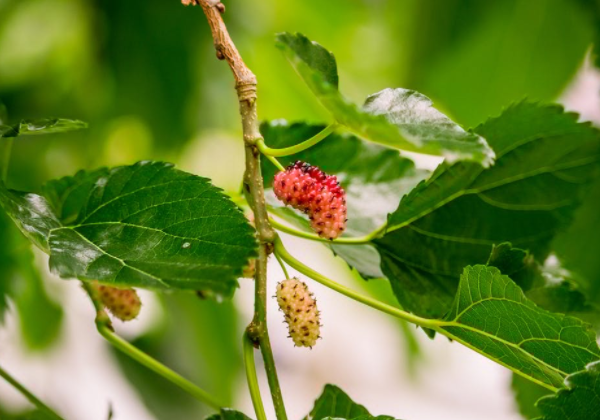
From February 23, the low temperature and rainy weather which lasted for one month ended in all parts of Guangxi, the sky cleared and farmers around actively carried out farming activities. The following technical management measures are recommended for mulberry trees after freezing.
1. Timely pruning
According to the degree of frost damage, reasonable treatment of the tree crown. After the freeze, the branch tips are still good, but the leaves withered not fall, should be promptly removed. Pruning of frozen dry branch tips, should be carried out after budding, leaving the healthy part and cut out the dead part, pruning should not be too early, otherwise the wound is susceptible to disease.
2. Timely application of sprouting fertilizer, spraying foliar fertilizer
After thawing, apply sufficient sprouting fertilizer early. The amount of sprouting fertilizer should be 20 to 25 kg of compound fertilizer plus 7 to 9 kg of urea per mu, or 15 kg of urea, 20 kg of calcium superphosphate and 6 kg of potassium chloride per mu.
When mulberry trees grow 3-5 new leaves, 75 to 100 kg/mu of 0.5% potassium dihydrogen phosphate solution is sprayed on the foliage at intervals of 5 to 7 days, and 2 to 3 times in a row to promote the early growth of mulberry trees and restore their vigor. When spraying foliar fertilizer, pay attention to choose the evening or morning dew when the first dry spraying, to prevent burning leaves.
3. Drainage system of mulberry garden in time
Spring rainfall is more, should open a good drainage ditch early, dredge drains, reduce waterlogging, to prevent rotten roots. Especially the mulberry garden in the frozen lowlands, pay attention to the management of soil moisture, reduce the water table.
4. Mid-tillage and weeding, the implementation of soil cultivation and inter-row mulching
The mulberry garden after the freezing damage is not plowed should be plowed in time to improve the soil structure, improve its ability to store and retain water, and promote root growth and the occurrence of new roots; at the same time, combined with plowing for manual weeding, weeds will be eradicated in the critical period of growth and spread of weeds to prevent weeds and mulberry trees compete for water and fertilizer, so that the mulberry tree will recover faster.
New soil can be cultivated around the plants, and firewood, straw, turf, leaves, sawdust, stable manure, rice hulls, peanut shells, straw, etc., can be spread over the roots before the soil freezes to increase the insulation effect of the soil.
5. Prevention and control of pests and diseases
Frozen mulberry trees are weak, often prone to pests and diseases, and after the dormant temperature rise quickly, more rain, a variety of diseases and overwintering pests successively endanger mulberry trees, so should do a good job of prevention of pests and diseases, seize the favorable opportunity to prevent and control in a timely manner.
Low temperature is likely to cause mulberry botrytis, mulberry broken branch rotten leaf disease and mulberry disease, should be selected with 50% carbendazim 1000 times, 70% methyl tropic 1000 times and other agents to prevent and control.
6. Reasonable arrangement of sericulture plan
Due to the impact of mulberry trees and long-term low-temperature weather, mulberry trees grow slowly, should do a good job of sericulture out of the plan to adjust, according to local conditions and reasonable arrangements for sericulture out of the time to avoid wasting sericulture and immature mulberry leaves sericulture.

You May Interested In


High Quality β-Nicotinamide adenine dinucleotide CAS 53-84-9 NADwith ready stock and best price
$3/UNIT FOB


2026-10-12
Trade Alert
Delivering the latest product trends and industry news straight to your inbox.
(We'll never share your email address with a third-party.)

Related News
-
Price Forecast of Compound Fertilizer in February
-
Clariant launches Mulberry root extract to fight skin aging
-
DSM invests in Phynova, a producer of mulberry leaf hypoglycemic ingredients
-
Indian Immunologicals Pushes Back on “Fake Vaccine” Claims Amid Global Supply Chain Scrutiny
-
Obesity Drugs Become Pharma’s Most Powerful Growth Engine
-
Substandard Drug Findings Expose Deep Structural Gaps in Medicine Quality Control
-
Minoxidil Safety Under Global Review as Infant Exposure Risks Surface
-
When the Skin of Ships Gets More Expensive: A 30% Price Shock Is Quietly Rewriting the Cost Floor of Global Shipping
-
The Revenge of Titanium Dioxide: When a Ton of Pigment Ignites a Silent Uprising in China’s Chemical Industry
-
From Fungus to Food: EFSA Greenlights Rhizomucor pusillus Biomass as Safe Novel Ingredient
Recommend Reading
-
![Sun-Kissed Insect Oil? EFSA Approves UV-Treated Mealworm Fat as Safe—and Vitamin D-Rich—Novel Food]()
Sun-Kissed Insect Oil? EFSA Approves UV-Treated Mealworm Fat as Safe—and Vitamin D-Rich—Novel Food
-
![Triple Shield, Zero Risk: EFSA Declares Stacked GM Cotton Safe for Food, Feed, and Environment]()
Triple Shield, Zero Risk: EFSA Declares Stacked GM Cotton Safe for Food, Feed, and Environment
-
![Red Algae, Golden Promise—With a Daily Dose Warning: EFSA Clears Astaxanthin-Rich Algal Meal for New Foods]()
Red Algae, Golden Promise—With a Daily Dose Warning: EFSA Clears Astaxanthin-Rich Algal Meal for New Foods
-
![Arkema Divests PVC Additives Business to Focus Resources on High-Performance Materials Market]()
Arkema Divests PVC Additives Business to Focus Resources on High-Performance Materials Market
-
![From Kitchen Herb to Feed Additive: EFSA Gives Green Light to Marjoram Oil—With a Caution for Handlers]()
From Kitchen Herb to Feed Additive: EFSA Gives Green Light to Marjoram Oil—With a Caution for Handlers
-
![Premium Global Chemical Sourcing Requests (3-7 Nov 2025)]()
Premium Global Chemical Sourcing Requests (3-7 Nov 2025)
-
![Urea Market Trends in December Show Volatile Upward Movement]()
Urea Market Trends in December Show Volatile Upward Movement
-
![Vendor Shipment Surge Halts Mid-October PC Price Increase]()
Vendor Shipment Surge Halts Mid-October PC Price Increase
-
![Aniline Prices Start High and End Low in 2025, How Will It Play Out in 2026 in China?]()
Aniline Prices Start High and End Low in 2025, How Will It Play Out in 2026 in China?
-
![Change Rate Remains Positive, This Round of Refined Oil Retail Prices in China Is About to Increase]()
Change Rate Remains Positive, This Round of Refined Oil Retail Prices in China Is About to Increase