Top 5 Compounds Used in Daily Life
There are 5 compounds used in daily life. Most of us are familiar with the basics of chemistry, but what about those chemicals you come across every day in your home, car, and office? While their names may not ring any bells, there's no doubt that you encounter them regularly, and understanding them can give you insight into the processes happening around you.
Baking Powder
Baking powder is a baking ingredient. It contains acid and one or more bases. It is one of the 5 compounds used in daily life. When you mix baking powder with something wet (like milk or water) and heat it, the baking soda and acid react to create carbon dioxide gas, which causes the batter or dough to rise when it's in the oven. Baking powder is the most common type of leavening used in home baking because it's easy to find and use. It has been around for a decade since it was initially used to improve the flavor of low-quality flour.
Detergent
Detergents, or surfactants, were created by research chemists to reduce surface tension between two liquids. Surfactants are defined as a chemical that is soluble in both polar and nonpolar solvents (i.e., water). This characteristic allows detergents to dissolve grease on dirty dishes, make shampoos lather, and keep paints from drying out. Detergents can also act as emulsifiers: an agent that helps oil and water mix evenly together, so they don't separate. There are many different types of detergents, including soaps, which work as emulsifiers, biodegradable detergents, and even detergents that come in a spray form.
Vinegar
Vinegar is a standard household compound used in daily life and in most households but can be used more than cooking. Vinegar has medicinal purposes, including treating jellyfish stings, insect bites, and sunburns. It is also used to treat babies, prevent infection on open wounds, and treat acne. In addition to the medical uses of vinegar, it is also helpful in the home. Vinegar can clean windows and floors with equal parts vinegar and water; it can remove mineral deposits from faucets and clean coins with equal parts vinegar and water. Vinegar is an essential ingredient in many recipes; however, it also can be used independently for many purposes.
Sugar
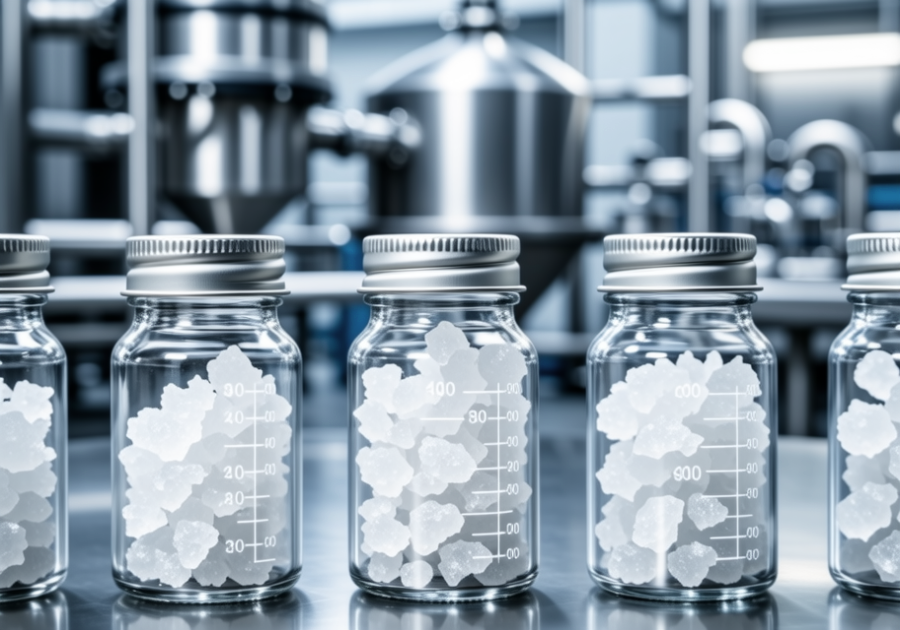
Sugar is a popular sweetener and food additive. Humans first discovered how to produce sugar by extracting it from plants, and its popularity has only grown since then. Sugar comes in many forms, including granulated, brown, powdered, golden syrup, raw and confectionery sugar. Many foods also use sugar as an ingredient, including baked goods such as cookies and cakes, soft drinks, fruit juices and frozen desserts like ice cream. Sugar is also commonly used to help preserve food items like baked goods by inhibiting bacteria growth. The sugars used in food included glucose (dextrose), fructose, galactose, and sucrose. Sugar can be produced from any compound by breaking them down to their simplest forms or combining two or more of these compounds. Sugar is also present in many other products, such as medications and vitamins.
Mouthwash
Mouthwash is a liquid used to clean the mouth. It usually contains alcohol, water, and an aromatic compound such as menthol or peppermint. Mouthwash is commonly used after brushing one's teeth to help remove residual food particles and freshen the breath. If you brush your teeth daily but don't use mouthwash, you could be missing out on a couple of extra benefits. For starters, some people believe that mouthwash can help make teeth whiter if it's used regularly. What's more, many types of mouthwash also contain fluoride-an ingredient that helps strengthen enamel and prevent cavities. However, it's important that these oral hygiene agents usually only have a tiny fraction of what dentists use during checkups.
Conclusion
These 5 compounds used in daily life in our foods and consumer goods to the ones that make up our medications and pesticides, we need a vast array of chemicals to maintain a comfortable lifestyle. Because these chemicals are produced in masses for commercial purposes across industries, the potential exists for any number of dangerous substances to contaminate the environment as a result. Since humans live in such proximity to animals, plants, and other substances that industrial processes have altered, humans can be exposed to dangerous levels of toxic chemicals.
Looking for chemical products? Let suppliers reach out to you!
What is Water Soluble Polyester Resin?
An Overview of Ethylene
You May Interested In


Glow70/KLOW80 99% China Peptides Warehouse Direct Delivery Lyophilized Powder in Stock
$169/UNIT FOB


2026-10-22
Trade Alert
Delivering the latest product trends and industry news straight to your inbox.
(We'll never share your email address with a third-party.)

Related News
-
Uses and Properties of Copper Acetate
-
India Unleashes a Triple-Action Defender: Parijat Introduces NILANIX SC into the Rice Battlefront
-
France’s Vineyards Find a New Shield: Eden’s Mevalone Enters the Frontline of a Changing Fungicide Era
-
Key Reactions and Uses of Lithium Aluminum Hydride
-
Uses and Properties of 3-Methyl-1-Butanol
-
Sodium Hydroxide (Caustic Soda): Soap Making, Cleaning, and pH Control Guide
-
Sodium Chloride (NaCl): Food Grade vs Industrial Grade Uses & Safety Data
-
Chemical Raw Materials: How to Source Quality Suppliers & Understand Grades
-
Lanolin: Benefits for Skin, Cosmetic Uses, and Allergy Risks
-
Paraffin Wax vs. Beeswax: Candles, Cosmetics, and Industrial Applications
Recommend Reading
-
![Thymol Gel Wins EPA Approval for Beekeepers]()
Thymol Gel Wins EPA Approval for Beekeepers
-
![Sodium Hydroxide Reactions: With Aluminum, Acids, and Metals]()
Sodium Hydroxide Reactions: With Aluminum, Acids, and Metals
-
![Gellan Gum (E418): Vegan Thickener vs. Xanthan Gum in Food]()
Gellan Gum (E418): Vegan Thickener vs. Xanthan Gum in Food
-
![Tert Butylate: Properties and Applications]()
Tert Butylate: Properties and Applications
-
![Fipronil: Uses, Safety, and Environmental Impact]()
Fipronil: Uses, Safety, and Environmental Impact
-
![Business Society October 15, 2026 Iso-octanol Trend Analysis: Strongly Bullish]()
Business Society October 15, 2026 Iso-octanol Trend Analysis: Strongly Bullish
-
![This Round of Refined Oil Retail Prices Achieves]()
This Round of Refined Oil Retail Prices Achieves "Six Consecutive Increases" in China
-
![Business Society September 15, 2026 BDO Trend Analysis: Clearly Upward]()
Business Society September 15, 2026 BDO Trend Analysis: Clearly Upward
-
![Business Society October 14, 2026 Maleic Anhydride Trend Analysis: Rising]()
Business Society October 14, 2026 Maleic Anhydride Trend Analysis: Rising
-
![Business Society’s Ethanol Trend Analysis for September 16, 2026: Volatile and Bearish]()
Business Society’s Ethanol Trend Analysis for September 16, 2026: Volatile and Bearish