All You Need to Know About the Chemical Makeup of Paper
If you are curious to know the chemical makeup of paper, you will be happy to know that paper is a natural product, which is made from cellulose fibers that are formed mainly from wood, and then treated with aniline dye. The cellulose found in paper comes from trees but not all types of plants can produce cellulose fibers. Paper has been around for about six thousand years and it has been used since the beginning for many purposes. They includes;
1.Wood pulp
This is usually the main ingredient of paper. It is broken down into millions of tiny particles that are then mixed with a chemical agent to start the process of paper formation. This chemical agent is called "acid chemists" and it is an acid made from wood pulp.
2.Cellulose or fiber
This another chemical makeup of paper. Most of us know that paper is made from cellulose fibers and these are actually plant soft tissues (such as fibers, stems or stalks). Cellulose can form into fibers in several ways: when plants are cut, for example, plant parts immediately begin to decompose which helps produce cellulose fibers; this happens even if the cutting doesn't enter water. Then, as some of the cellulose inside the plant is broken down, it also helps form fibers. In addition, wood from a particular tree is heated before it is dried and pulped; when this happens, the cellulose fibers are broken down into even smaller pieces.
3.Dye aniline dye
Iron and aluminum salts are used to make aniline dye (also called natural dyes), which is the first ingredient in making paper . Aniline dyes can be made from any of a number of different chemicals, but usually they are extracted from coal tar or petroleum. For example, to make blue dye for paper, it is extracted from coal tar.
4.Sulfates
Sulfates are usually used to bleach paper and they also help keep paper white and make it easier to print on. Sulfates used in making paper include calcium sulfate which is commonly known as gypsum; sodium sulfate, which is common table salt; magnesium sulfate, also known as Epsom salt; and sodium aluminum sulfate (known commercially as Alum). When you set a piece of newspaper in the sun its fibers actually absorb the ultraviolet rays of the sun's light and this helps purify water in areas without adequate sanitary water treatment methods. Sulphates therefore is a chemical makeup of paper
5.Lignin
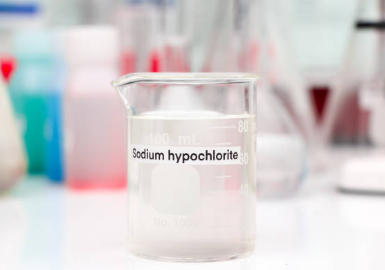
This is actually a natural chemical found in trees and it makes paper stronger. When paper is made, lignin gives paper the strength to be folded and bent but it also causes paper to become yellow and brittle with time. Therefore, white paper can be made by removing lignin through a process called "bleaching". Chemicals called "oxidizing agents", which include hydrogen peroxide, sodium hypochlorite, citric acid or acetic acid are used to bleach paper. These oxidizing agents work by combining with lignin that is present in ground wood pulp to produce some form of water-soluble product that can then be washed out of the pulp fibers.
6. Ash
Ash is also a natural chemical produced in wood as the plant's seeds ripen; it gives paper its white color and makes it resistant to water degradation. Ash is produced when chemicals are used to bleach wood pulp which then turns the chemical into a form that can be washed out of the pulp fibers. These chemicals will remove lignin that is present in ground wood pulp and this chemical will not remain in the pulp fibers after they have been treated with bleach, resulting in white paper without lignin. Therefore, paper made without lignin can be bleached to produce crisp and white paper.
7. Soda ash
Soda ash is another chemical makeup of paper. It is also used to make paper white and to make it stronger. Soda ash is made by reacting calcium hydroxide (calcium oxide) with sodium carbonate (soda). The chemical reaction that takes place between these two substances results in the formation of a white solid substance which then is washed out of the pulp fibers.
8. Sodium sulfate
Sodium sulfate, commonly known as Epsom salt, can be used as an additive to paper because it helps dissolve certain contaminants, including aluminum and iron, which are often found in wood pulp but not in newsprint.
Inconclusions, papers chemical makeup includes many other substances, but they are found in very small quantities, if present at all. They will not affect the quality of paper and they can be easily washed out by other chemicals.
Looking for chemical products? Let suppliers reach out to you!
You May Interested In


SS-31 Cosmetic peptides, discounted price improving cognitive impairment factory supply
$8E+1/UNIT FOB


2026-09-14
Trade Alert
Delivering the latest product trends and industry news straight to your inbox.
(We'll never share your email address with a third-party.)

Related News
-
Uses of Sodium Citrate Dihydrate in Food Industry
-
Uses and Properties of Chromium Oxide
-
Chemical Properties and Uses of Caesium Fluoride
-
Sodium Metabisulfite: Properties, Uses, and Safety
-
A New Weapon Against Spider Mites: Canada Moves to Approve Novel Miticide for Greenhouse Growers
-
Flavin Adenine Dinucleotide (FAD): Functions and Applications
-
Magnesium Chloride (MgCl₂): Properties, Uses, and Applications
-
Key Reactions and Uses of Lithium Aluminum Hydride
-
Uses and Properties of 3-Methyl-1-Butanol
-
Dicalcium Phosphate: Properties, Uses, and Applications
Recommend Reading
-
![Glycopyrronium: Pharmaceutical Applications, Mechanism, and Chemical Specs]()
Glycopyrronium: Pharmaceutical Applications, Mechanism, and Chemical Specs
-
![Methanol Methyl Alcohol vs Ethanol: Toxicity, Fuel Uses, and Industrial Solvent Safety]()
Methanol Methyl Alcohol vs Ethanol: Toxicity, Fuel Uses, and Industrial Solvent Safety
-
![Isopropyl Alcohol (IPA) vs Ethanol: Which Solvent or Disinfectant is Better?]()
Isopropyl Alcohol (IPA) vs Ethanol: Which Solvent or Disinfectant is Better?
-
![Sodium Hypochlorite: Uses, Concentration Guide, and Critical Safety Hazards]()
Sodium Hypochlorite: Uses, Concentration Guide, and Critical Safety Hazards
-
![What is Sodium Hipoklorit? (Definition, Uses & Safety)]()
What is Sodium Hipoklorit? (Definition, Uses & Safety)
-
![Bearish Pressure Continues to Drive Down Hydrogen Peroxide Prices in China]()
Bearish Pressure Continues to Drive Down Hydrogen Peroxide Prices in China
-
![In September, the butadiene rubber market showed a weak and fluctuating downward trend]()
In September, the butadiene rubber market showed a weak and fluctuating downward trend
-
![Supply-Demand Dynamics Dominate Market Trends; Formic Acid Prices Stabilize and Remain Flat]()
Supply-Demand Dynamics Dominate Market Trends; Formic Acid Prices Stabilize and Remain Flat
-
![Costs Decline, SBR Market Trend Weakens in September]()
Costs Decline, SBR Market Trend Weakens in September
-
![Cost Easing and Weakening Year-End Demand Leave Acrylic Market Stuck in a Standoff]()
Cost Easing and Weakening Year-End Demand Leave Acrylic Market Stuck in a Standoff