What are the chemicals used for boiler water treatment
The chemicals used for boiler water treatment are typically chosen by the associated industry according to the temperature of the water and its potential for corrosion. Boiler water is typically approximately 150 degrees Fahrenheit or higher, so a chemical must have a boiling point below that temperature to be effective against corrosion in that application. These chemicals includes;
1. Sodium carbonate, also known as sodium bicarbonate
These chemicals, commonly referred to as soda ash, are widely used for boiler water treatment because of their boiling point. The higher the temperature of the water, the more expensive it is to produce steam from it. Boiler water temperatures can reach over 300 degrees Fahrenheit, which makes it difficult to use chemicals that need a temperature above 170 degrees Fahrenheit. Soda ash is effective for preventing corrosion in these types of high-temperature applications because it is an alkaline base and does not form insoluble compounds with calcium or magnesium; however its effectiveness will depend on pH and alkalinity levels.
2 Hydrazine or methylhydrazine
Hydrazine is a highly toxic chemical that changes into ammonia and nitrogen when mixed with water. It is also a fuel, and is utilized in many rocket engines, but it has poor stability at high pH levels.
3 Hydrous calcium phosphate
Hydrous forms of calcium phosphate known as hydroxides, such as metaphosphate and orthophosphate are used to slow corrosion in boiler water treatment. Metaphosphates are used for their chemical stability and very low cost; orthophosphates are used for their alkalinity. These chemicals work best when pH levels are within the range of 7 to 9 or lower. Though these chemicals are not suitable for very acidic or high temperature applications, they do have a fairly low amount of corrosive acidity at 3-5%.
4. Sulfamic acid
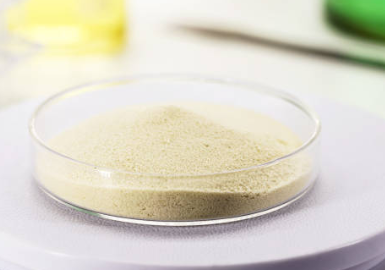
Sulfamic acid is a white, granular powder that is commonly used as a scale inhibitor and boiler water treatment chemical. Because of its bleaching capabilities, it has been banned in many countries for use in boilers; however it is still widely used in the United States. It is effective at low pH levels, between 6 and 7, and at high temperatures.
5 Diethylenetriamine
Diethylenetriamine is an effective scale inhibitor because of its boiling point, it has a much lower amount of bleaching capabilities than sulfamic acid, but it works well within the pH range of 8-9.
6. Tributylamines
Tributylamines, or TBA, is a scale inhibitor with two primary uses: as an ingredient in superheaters and to prevent corrosion of boiling equipment. It has a much higher pH level than other scale inhibitors (12-13), and its tendency to form insoluble compounds with metals also makes it effective for boiler water treatment. These chemicals are typically used in combination with others, such as TBA mixed with sulfamic acid or TBA mixed with TBA.
7. Triethanolamine
Triethanolamine is a chemical that typically has a pH level between 11 and 12, and is used to control the pH of other chemicals in boiler water treatment. It can also be added in small amounts to prevent corrosion by alkalinity created by some other scale inhibitors.
Benefits of chemicals used for boiler water treatment
1. No disposal fees
These chemicals can be recovered and reused, making it an environmentally friendly method of treating boiler water. This is especially true of the ones with low corrosiveness, such as TBA. The low corrosiveness is also beneficial to the operator, because less chemical will be needed.
2. Minimal handling equipment required
These chemicals are not very toxic or dangerous to handle, and can thus be handled in room-sized containers that require minimal handling equipment such as gloves and goggles. They do not require intensive training in handling them either; operators are only required to attend a few hours of training before they are able to work with the chemicals safely and efficiently at all times.
3. Efficiency at preventing corrosion
These chemicals are very effective at preventing corrosion in boilers; especially when alkaline metal hydroxides such TBA are mixed with acidic scale inhibitors, such as sulfamic acid. These combination chemicals also prevent problematic reactions like calcification and hydrolysis. The chemical effectiveness is dependent on a constant monitoring of pH levels in the boiler water, however.
4. Effectiveness at lower concentrations
These chemicals are effective at low concentrations, ranging from 0.1 to 2%. In comparison, many chemicals used in other industries require much higher concentrations in order to be effective. These low concentrations create a safer workplace for the operators of boilers and make it easier for them to monitor the efficiency of the chemicals by keeping track of pH levels in the boiler.
In conclusion, chemicals used for boiler water treatment are necessary to maintain clean, effective boiler water. The majority of these chemicals are alkaline metal hydroxides, such as metaphosphate or orthophosphate, because they have the ability to form insoluble compounds with calcium and magnesium, they do not create excess bleaching in boilers, and they work well at high temperatures. These chemicals must be used in combination with other types of materials in order to achieve a very low corrosiveness level of less than 0.5%.
Looking for chemical products? Let suppliers reach out to you!
You May Interested In


Glow70/KLOW80 99% China Peptides Warehouse Direct Delivery Lyophilized Powder in Stock
$1.8E+2/UNIT FOB


2026-08-22
Trade Alert
Delivering the latest product trends and industry news straight to your inbox.
(We'll never share your email address with a third-party.)

Related News
-
Uses of Dithiothreitol in Laboratories
-
Chemical Reactions and Uses of Stilbene
-
Uses of Sodium Citrate Dihydrate in Food Industry
-
Key Reactions and Uses of Allene
-
Uses of Sodium Acetate Trihydrate
-
Applications of Copper Sulfate Pentahydrate
-
Understanding Reactions Between Silver and Chloride
-
Key Properties and Applications of Para-Nitrophenol
-
Chemical Properties and Uses of Caesium Fluoride
-
Uses and Properties of Chromium Oxide
Recommend Reading
-
![What are Acetoglycerides? (Definition & Food Industry Uses)]()
What are Acetoglycerides? (Definition & Food Industry Uses)
-
![What is Aconitic Acid? (Chemistry & Occurrence)]()
What is Aconitic Acid? (Chemistry & Occurrence)
-
![Sodium Alginate: Properties, Uses, and Benefits]()
Sodium Alginate: Properties, Uses, and Benefits
-
![Nature’s Blueprint, Science’s Edge: Corteva Unveils Twin Breakthroughs to Tackle the $70 Billion Insect Threat]()
Nature’s Blueprint, Science’s Edge: Corteva Unveils Twin Breakthroughs to Tackle the $70 Billion Insect Threat
-
![What is the Formula for Ammonia? (NH3 Structure & Properties)]()
What is the Formula for Ammonia? (NH3 Structure & Properties)
-
![Canada Issues Non-Compliance Notice to Dr. Reddy’s on Semaglutide Generic]()
Canada Issues Non-Compliance Notice to Dr. Reddy’s on Semaglutide Generic
-
![This Week, PET Bottle Chip Spot and Futures Prices Move Downward in Tandem in China]()
This Week, PET Bottle Chip Spot and Futures Prices Move Downward in Tandem in China
-
![Both Supply and Demand Weak, PCs in Volatile Operation Mid-May]()
Both Supply and Demand Weak, PCs in Volatile Operation Mid-May
-
![Multiple Factors Interwoven, Short-Term Fluctuations in Polyethylene]()
Multiple Factors Interwoven, Short-Term Fluctuations in Polyethylene
-
![January Maleic Anhydride Prices Overall Increased in China]()
January Maleic Anhydride Prices Overall Increased in China