

Acetophenone 98-86-2
1 Inquiries
98-86-2
99%
shanghai
25kg/Drum
2026-09-23

(R)-3-hydroxypyrrolidine hydrochloride,(R)-Glycidyl butyrate,fine chemicals,2-dibromo-4,5-difluorobenzene,(S)-(+)-Mandelic acid
-
Product Description
-
Seller Information
-
Inquiry History
-
DescriptionBasic Info
-
Product Name:
Acetophenone
Other Name:Ethanone,1-phenyl-;Acetophenone;1-Phenylethanone;Acetylbenzene;Hypnone;Methyl phenyl ketone;Phenyl methyl ketone;Acetophenon;Hypnon;1-Phenyl-1-ethanone;NSC 98542;NSC 7635;1-Feniletanone;Benzoylmethane
CAS No.:98-86-2
Molecular Formula:C8H8O
InChIKeys:InChIKey=KWOLFJPFCHCOCG-UHFFFAOYSA-N
Molecular Weight:120.15
Exact Mass:120.15
EC Number:202-708-7
UNII:RK493WHV10
ICSC Number:1156
NSC Number:7635
UN Number:1993
DSSTox ID:DTXSID6021828
Color/Form:Colorless liquid|Liquid. Forms laminar crystals at low temperature.|Monoclinic prisms or plates
HScode:2914391000
Categories:
Characteristics-
PSA:
17.1
XLogP3:1.58
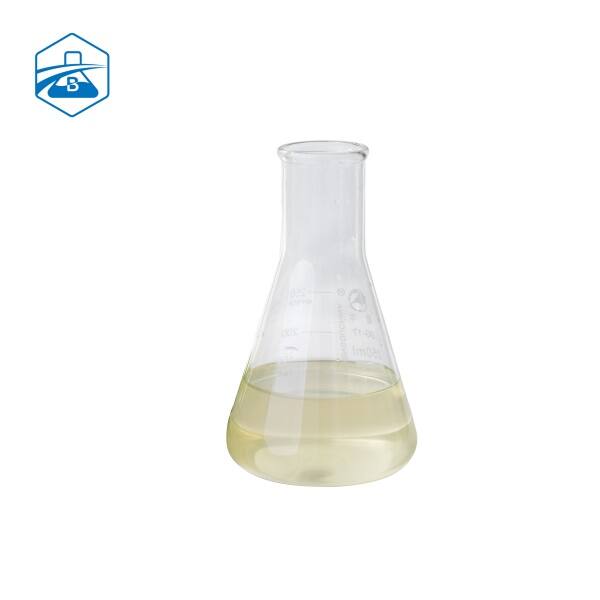
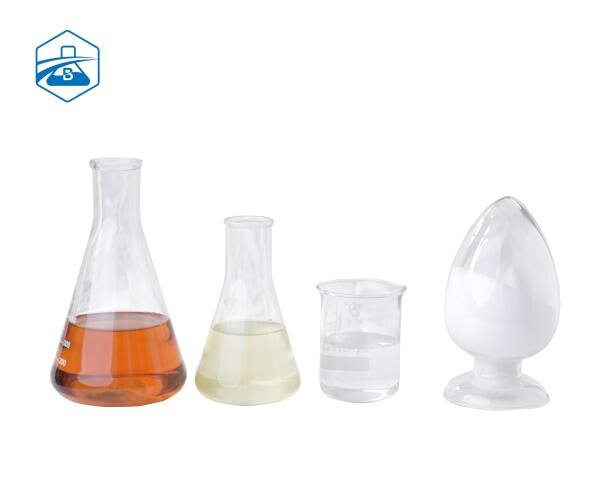
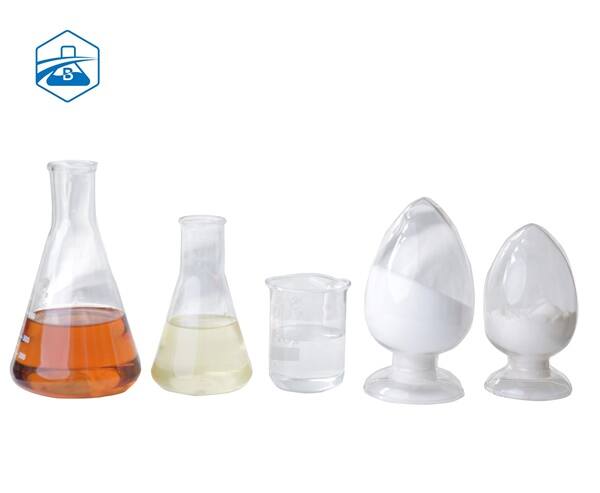
Appearance:Clear colorless to light yellow Liquid
Density:1.033 g/cm3 @ Temp: 15 °C
Melting Point:20.5 °C
Boiling Point:202 °C
Flash Point:180 °F
Refractive Index:1.512
Water Solubility:H2O: 5.5 g/L (20 ºC)
Storage Conditions:2-8°C
Vapor Pressure:0.45 mm Hg ( 25 °C)
Vapor Density:4.1 (vs air)
Toxicity:Oral-Rat LD50: 815 mg/kg; Oral-Mouse LD50: 740 mg/kg
Flammability characteristics:Combustible in case of fire, high temperature and strong oxidant
Explosive limit:1.4-5.2%(V)
Odor:Sweet pungent odor
Taste:Sweet, pungent taste
OH:2.74e-12 cm3/molecule*sec
Henrys Law Constant:1.04e-05 atm-m3/mole|Henry's Law constant= 1.04X10⁻⁵ atm-cu m/mole
Experimental Properties:Hydroxyl radical reaction rate constant = 2.7X10⁻¹² cu cm/molec-sec
Air and Water Reactions:Slightly soluble in water.
Reactive Group:Ketones
Reactivity Profile:ACETOPHENONE reacts with many acids and bases liberating heat and flammable gases (e.g., H2). Reacts with many oxidizing agents. Reacts with reducing agents such as hydrides, alkali metals, and nitrides to produce flammable gas (H2) and heat. The amount of heat in these reactions may be sufficient to start a fire in the unreacted portion. Incompatible with isocyanates, aldehydes, cyanides, peroxides, and anhydrides.
Peroxide Forming Chemical:Acetophenone|D*: Other compounds that may form peroxides|2 samples, 2-3 ppm Peroxide; > 1 yr|Management of time-sensitive chemicals (JCHAS)
Autoignition Temperature:1058 °F (USCG, 1999)|1058 def F (570 °C)|535 °C
Heat of Combustion:-8,250 cal/g
Flammable Limits:Lower: 1.1, Upper: 6.7 (percent by volume)
Heat of Vaporization:83.6 cal/g
Critical Temperature & Pressure:Critical temperature: 802 °F = 428 °C = 701K; Critical pressure: 560 psia = 38 atm = 3.8 MN/sq m
Hazard IdentificationClassification of the substance or mixture
Acute toxicity - Category 4, Oral
Eye irritation, Category 2
GHS label elements, including precautionary statements
Pictogram(s) 
Signal word Warning
Hazard statement(s) H302 Harmful if swallowed
H319 Causes serious eye irritation
Precautionary statement(s) Prevention P264 Wash ... thoroughly after handling.
P270 Do not eat, drink or smoke when using this product.
P280 Wear protective gloves/protective clothing/eye protection/face protection/hearing protection/...
Response P301+P317 IF SWALLOWED: Get medical help.
P330 Rinse mouth.
P305+P351+P338 IF IN EYES: Rinse cautiously with water for several minutes. Remove contact lenses, if present and easy to do. Continue rinsing.
Storage none
Disposal P501 Dispose of contents/container to an appropriate treatment and disposal facility in accordance with applicable laws and regulations, and product characteristics at time of disposal.
Other hazards which do not result in classification
no data available
Handling and StoragePrecautions for safe handling
NO open flames. Above 77°C use a closed system and ventilation. Handling in a well ventilated place. Wear suitable protective clothing. Avoid contact with skin and eyes. Avoid formation of dust and aerosols. Use non-sparking tools. Prevent fire caused by electrostatic discharge steam.
Conditions for safe storage, including any incompatibilities
Separated from strong oxidants. Ventilation along the floor.In general materials... toxic as stored or which can decompose into toxic components... should be stored in cool... ventilated place, out of... sun, away from... fire hazard... be periodically inspected and monitored. Incompatible materials should be isolated.
-
-
Seller Information
-
Business Type:
Distributor
-
Main Products:
(R)-3-hydroxypyrrolidine hydrochloride,(R)-Glycidyl butyrate,fine chemicals,2-dibromo-4,5-difluorobenzene,(S)-(+)-Mandelic acid
-
Location:
ROOM 574 JIUDINGFENG LARGE BUILDING NO.888 CHANGBAISHAN ROAD QINGDAO AREA CHINA (SHANDONG) PILOT FREE TRADE ZONE
-
Payment Terms:
TT against copy of documents,D/P,L/C,D/A,O/A,TT against B/L draft before shipment,100% TT in advance
-
Average lead Time:
7
-
Total Annual Revenue:
$1 million-$2.5 million
-
Total Employees:
101-200
-
Year of Establishment:
2020
-
Certifications:
ISO,SGS
-
-
Inquiry History1 Inquiries
Country Product Purchase Quantity Date Posted  India
India
Acetophenone
5.00 TON Feb 18, 2025 Post an enquiry for this product