1. Description
Chemical Properties: Survodutide is a linear polypeptide composed of 29 amino acids, functioning as a glucagon analogue (non-gastrin-releasing peptide analogue). Its core structure undergoes two key modifications for functional optimization: First, the introduction of synthetic amino acids resistant to dipeptidyl peptidase-4 (DPP-4) hydrolysis, coupled with the addition of amino acid residues enhancing solubility; Second, it mediates albumin binding via a glycine-serine linker containing C18 dicarboxylic acid, significantly reducing renal clearance and prolonging the in vivo half-life. As a dual receptor agonist, it exhibits high affinity for both GCGR and GLP-1R, simultaneously activating two metabolic regulatory pathways without traditional estrogen receptor activity, and demonstrates stable chemical properties.
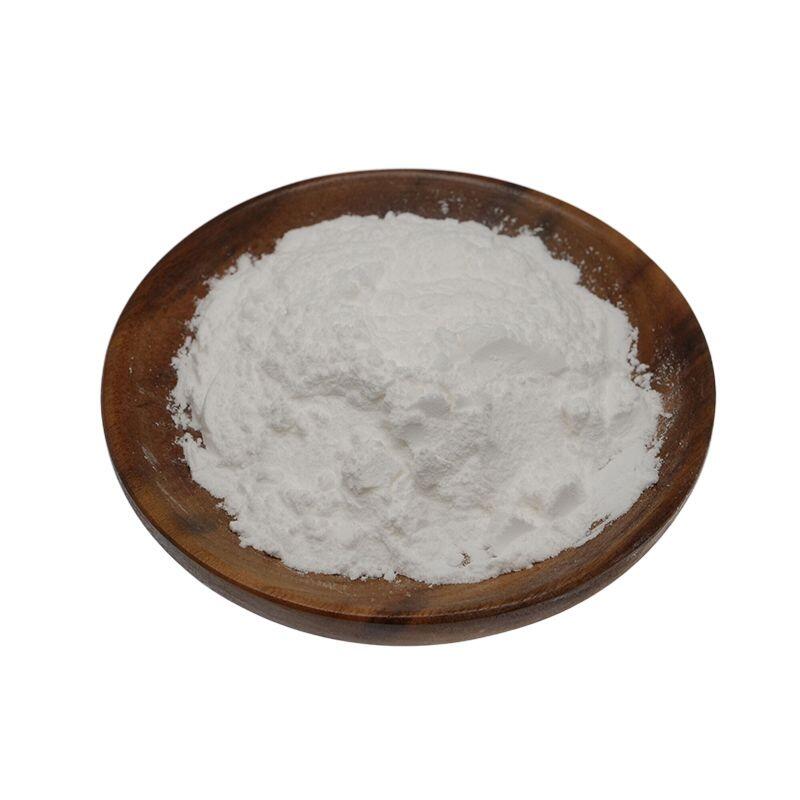
Physical Properties: Survodutide appears as a white to off-white lyophilized powder at room temperature. It is readily soluble in aqueous systems such as saline and phosphate-buffered saline (PBS), slightly soluble in ethanol, and insoluble in dimethyl sulfoxide (DMSO). Research-grade products have a purity ≥98% (HPLC-assayed) and require storage at -20°C in sealed containers protected from light, avoiding repeated freeze-thaw cycles. Pharmaceutical-grade products are typically supplied as lyophilized powder for injection. Reconstituted solutions may be stored at room temperature for no longer than 24 hours
Origin and Preparation: Survodutide does not occur naturally and is synthesized via solid-phase synthesis. High-purity L-amino acids serve as starting materials. The core sequence is constructed through peptide chain assembly, deprotection, and purification steps, followed by chemical modification to introduce albumin-binding sites. The PEGylated variant (PEG-Survodutide) undergoes additional coupling of polyethylene glycol segments post-peptide synthesis to prolong its circulating half-life. Production processes require strict control of product purity and structural integrity through techniques such as mass spectrometry (MS) and nuclear magnetic resonance (NMR).
2. Application
Clinical Development in Metabolic Diseases: Survodutide is advancing through multiple Phase III clinical trials as a core candidate drug. For obesity treatment, its weight loss efficacy and safety are being evaluated; For type 2 diabetes, verifying its blood glucose control and pancreatic function protection effects; In the non-alcoholic steatohepatitis (NASH/MASH) field, the ongoing LIVERAGE™ trial (NCT06632444) investigates its efficacy in improving liver function in patients with moderate-to-severe liver fibrosis. The trial employs weekly subcutaneous injections combined with dietary and exercise interventions, with a maximum duration of 7 years.
Biomedical Research: Survodutide serves as a tool reagent for studying metabolic mechanisms, specifically to decipher the GCGR/GLP-1R co-regulatory network. In cellular models (e.g., hepatocytes, adipocytes), it regulates expression of genes related to fatty acid oxidation and glycogen metabolism (e.g., cytochrome c, carnitine palmitoyltransferase). In animal models (e.g., high-fat diet-induced obese mice, db/db diabetic mice), it validates intervention strategies for metabolic syndrome, providing experimental basis for designing novel dual receptor agonists.
Potential Future Applications: Given its metabolic regulatory properties, Survodutide holds promise for expansion into other metabolic disorders. For instance: - Addressing insulin resistance and weight management in polycystic ovary syndrome (PCOS) patients; - Providing comprehensive metabolic syndrome interventions for obese individuals with cardiovascular risk factors; - Serving as an “exercise mimetic molecule” to deliver metabolic support to populations unable to exercise (e.g., elderly or disabled individuals). However, these applications remain in the theoretical exploration phase.
3. Main Efficacy
Dual-receptor synergistic metabolic regulation efficacy: Survodutide activates GLP-1R to promote glucose-dependent insulin secretion, inhibit glucagon release, and delay gastric emptying, thereby reducing food intake. It activates GCGR to directly enhance hepatic fatty acid oxidation, decrease hepatic lipid synthesis, and simultaneously increase adipose tissue lipolysis and energy expenditure. This “bidirectional regulation” mechanism demonstrates superior metabolic improvement effects compared to single GLP-1R agonists in preclinical studies.
Weight Loss and Glycemic Control Efficacy: Preclinical data indicate Survodutide significantly reduces body weight and improves glycemic markers in obese mouse models. Early clinical trials show patients experienced substantial weight reduction from baseline, accompanied by improvements in fasting blood glucose, glycated hemoglobin (HbA1c), and lipid levels. Glycemic control exhibits glucose dependence with low hypoglycemia risk.
Hepatoprotective and Lipid-Clearance Effects: For NASH/MASH, Survodutide reduces hepatic lipid accumulation and inhibits fibrosis progression through direct hepatic effects mediated by GCGR and indirect metabolic improvements via GLP-1R. In animal models, it reduces hepatic fat content and improves liver histopathology scores. Phase III clinical trials are currently validating its efficacy in improving liver stiffness measurements and histological parameters in patients with moderate-to-severe liver fibrosis.
Long-acting administration and safety advantages: Albumin-binding modification extends its half-life, enabling once-weekly subcutaneous injections to enhance patient compliance. The PEGylated version further reduces renal clearance, minimizes plasma concentration fluctuations, and decreases peak-related adverse reactions. Clinical studies indicate its primary side effects are mild to moderate gastrointestinal reactions, with good tolerability and no reported serious safety concerns.











 United States
 Ecuador
 Bangladesh