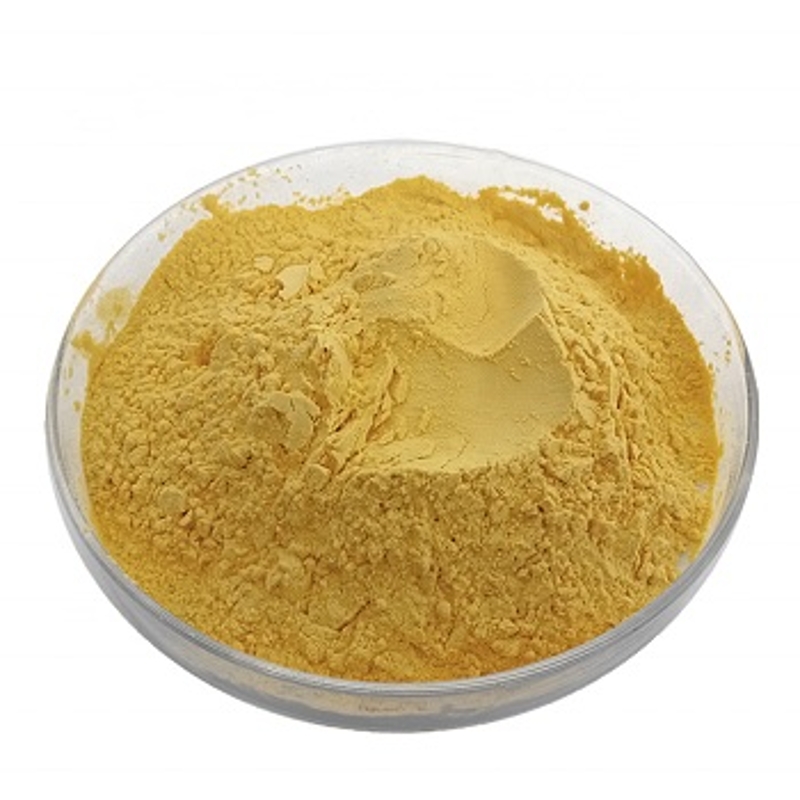
26% Polyaluminum Chloride (PAC) is an inorganic polymer coagulant with a core active ingredient of aluminum oxide (Al₂O₃) at a content of 26%. It is a commonly used industrial-grade water purification agent, produced using a drum drying process. With advantages such as high cost-effectiveness, wide applicability, and stable flocculation performance, it is widely used in various industrial wastewater treatment, urban domestic sewage treatment, and some low-requirement water supply treatment scenarios. It is one of the basic agents in the water treatment industry with large usage and strong practicality. This article provides a comprehensive and detailed explanation from aspects such as product uses, core characteristics, specification parameters, quality standards, usage methods, packaging, storage and transportation, and multi-dimensional image display.
I. Core Uses of the Product

The core function of 26% Polyaluminum Chloride is to generate positively charged polynuclear hydroxyl complexes through hydrolysis and polymerization reactions, exerting effects of electrical neutralization, adsorption bridging, and net trapping and sweeping. This causes suspended particles and colloids in water to quickly coagulate into flocs, achieving solid-liquid separation and purifying water quality. The specific uses are as follows:
Urban Domestic Sewage Treatment (Core Use)

Suitable for pre-treatment, flocculation at the front end of biochemical treatment, and advanced treatment of urban domestic sewage. It can effectively remove impurities such as suspended solids, organic colloids, sediment, and paper scraps in sewage, reduce sewage turbidity and COD content, improve the efficiency of subsequent biochemical treatment systems, and reduce process load. The treated water quality can meet the discharge standards of municipal sewage treatment plants, making it a regular essential agent in urban sewage treatment plants.
Industrial Wastewater Treatment

Adaptable to various industrial wastewater scenarios, specifically solving purification problems of different wastewaters with outstanding cost-effectiveness, making it the preferred agent for medium and low-concentration industrial wastewater treatment:
Printing and dyeing wastewater: Can effectively remove dye pigments and suspended solids in wastewater, assist in decolorization and COD reduction, alleviate chromaticity pollution of printing and dyeing wastewater, and is suitable for various printing and dyeing process wastewaters such as cotton spinning and chemical fibers.
Coal washing wastewater: Rapidly settles coal slime particles, realizes coal-water separation, recovers usable coal slime, reduces water resource waste, and lowers environmental protection pressure in the coal washing industry.
Chemical wastewater: For ordinary chemical wastewater (non-high concentration, non-strongly corrosive), removes suspended impurities, some heavy metal ions, and organic pollutants in water, improving the biodegradability of wastewater.
Metallurgical and electroplating wastewater: Assists in removing heavy metal ions (such as lead, arsenic, etc.) and suspended sediments in wastewater, reduces wastewater toxicity, and meets subsequent treatment requirements.
Papermaking wastewater: Treats mid-stage papermaking wastewater, removes impurities such as pulp fibers and fillers, realizes white water reuse, and reduces water resource consumption and wastewater discharge in the papermaking industry.
Other Auxiliary Uses

Low-requirement water supply treatment: Suitable for low-standard water supply scenarios such as rural drinking water and supplementary water for industrial circulating water. It removes sediment and suspended solids from raw water to improve water turbidity (not used for terminal treatment of domestic drinking water).
Sludge dewatering: Used in combination with polyacrylamide (PAM) for pre-treatment of dewatering municipal sludge and industrial sludge, enabling sludge to form dense flocs, improving the efficiency of filter pressing and centrifugal dewatering, and reducing sludge moisture content.
Mineral processing: Used for clarification of mineral processing wastewater and concentration of ore pulp, recovering useful mineral particles in the ore pulp, realizing dual recovery of water resources and mineral resources.
II. Core Characteristics of the Product
Appearance and Morphological Characteristics

26% Polyaluminum Chloride is in the form of solid particles or powder, with colors ranging from brown to dark brown (due to production raw materials containing calcium aluminate powder, bauxite, and a small amount of iron powder; the iron element content determines the depth of the color). It has no obvious odor and no caking (under normal storage conditions). When dissolved, it forms a yellowish-brown translucent solution. Due to containing a small amount of impurities, the solution may have slight turbidity, which does not affect the flocculation effect. The liquid form is a dark yellowish-brown to blackish-brown liquid with good solubility and no obvious stratification after standing.
Physicochemical Characteristics
Chemical formula: [Al₂(OH)ₙCl₆₋ₙ]ₘ (n=1~5, m≤10), which is a hydrolysis product between aluminum chloride and aluminum hydroxide, belonging to inorganic polymer compounds.
Solubility: Easily soluble in water with a relatively fast dissolution rate. No alkaline additives are needed, and it can be completely dissolved at room temperature. After dissolution, it forms polynuclear complexes with adsorption activity.
Acidity and alkalinity: The pH value of a 10g/L solution is 3.5~5.0, showing weak acidity. The acidity slightly weakens after hydrolysis, and the corrosiveness to equipment is lower than that of other inorganic flocculants.
Stability: Solid products have strong stability and can maintain activity for a long time if stored properly; liquid products have slightly weaker stability and need to be stored in sealed containers to avoid deterioration.
Performance Advantages
High cost-effectiveness: Among industrial-grade polyaluminum chloride, the 26% content is an economical and practical specification with a moderate price. Its flocculation effect is better than that of low-content (22%-24%) products, suitable for most medium and low-concentration wastewater treatment scenarios, and can effectively control treatment costs.
Wide applicability: Suitable for a pH range of 5.0~9.0, with the optimal pH value of 6.5~8.5. It can adapt to wastewaters with different pH levels without frequent adjustment of water pH, making operation convenient.
Stable flocculation effect: Flocs form quickly with good activity, large floc particles, fast sedimentation speed, and good filterability. It can quickly remove suspended impurities and colloids in water with high purification efficiency.
Convenient operation: Solid products can be directly dissolved for use, and liquid products can be directly diluted and dosed without complex pre-treatment processes, suitable for various water treatment equipment.
Good environmental friendliness: After treatment, there is little residual salt in water, no excessive harmful ions are introduced, the amount of sludge produced is moderate, and the sludge is easy to dewater and dispose of, reducing the risk of secondary pollution.
Strong adaptability: It can maintain good flocculation effect in low-temperature and low-turbidity environments without additional auxiliary agents, and can cope with fluctuations in water quality in different seasons.
Differences from PAC with Other Contents
26% Polyaluminum Chloride is an industrial-grade product with medium and low content. Compared with high-content (28%, 30%) and low-content (22%-24%) products, the core differences are as follows:
Compared with 30% and 28% content PAC: The latter has higher purity, fewer impurities, and lower heavy metal content, and is mostly used in drinking water treatment and high-end industrial wastewater treatment; the 26% content focuses on industrial wastewater and domestic sewage treatment, has more advantageous prices, does not require high purity, and has higher cost-effectiveness.
Compared with 22%-24% content PAC: The latter has a low aluminum oxide content, weak flocculation effect, and is suitable for simple water treatment scenarios with low turbidity and low pollution; the 26% content has a more stable flocculation effect, a wider range of adaptation, can cope with medium and low-concentration polluted wastewater, and is the mainstream choice for industrial treatment.
III. Product Quality Standards
26% Polyaluminum Chloride strictly complies with the national industrial-grade polyaluminum chloride standard GB/T 22627-2022 (officially implemented on October 1, 2022, replacing the old version GB/T 22627-2014), and also meets the enterprise's internal quality control standards. Quality is controlled throughout the process from raw materials, production, testing to ex-factory to ensure the product meets usage requirements.
Core Basis for Quality Standards
National standard: GB/T 22627-2022 "Polyaluminum Chloride", applicable to polyaluminum chloride products for industrial water supply, wastewater, sewage, and sludge treatment, strengthens safety indicators such as heavy metals and microorganisms, and unifies product quality requirements.
Raw material standards: Hydrochloric acid used in production must comply with the GB/T 320 industrial standard. Raw materials such as calcium aluminate powder and bauxite must meet industrial-grade purity requirements. If hazardous waste is used as raw material, environmental protection approval must be obtained.
Enterprise standards: On the basis of national standards, further improve the control accuracy of insoluble substances and heavy metal content, optimize product particle size and solubility, and ensure stable and consistent product performance.
Quality Control Process
Raw material inspection: All production raw materials must be tested for purity, impurity content and other indicators before entering the factory. Unqualified raw materials are strictly prohibited from entering the factory to control product quality from the source.
Production process control: Using drum drying process for production, strictly control parameters such as reaction temperature, reaction time, and raw material ratio to ensure that the aluminum oxide content is stably maintained at 26% ± 0.5% to avoid content fluctuations.
Semi-finished product inspection: During the production process, each batch of semi-finished products must be tested for core indicators such as aluminum oxide content, basicity, and pH value. Unqualified semi-finished products must be reprocessed and adjusted.
Finished product inspection: Before each batch of finished products leaves the factory, a full inspection (covering all indicators in the specification parameters) must be carried out, a test report must be issued, and the product can leave the factory only after passing the inspection.
Regular sampling inspection: Enterprises regularly sample and inspect ex-factory products, track product usage effects, and timely optimize production processes to ensure long-term stable product quality.
Qualification Criteria
A product is judged as qualified if it meets all the following conditions:
Aluminum oxide (Al₂O₃) content ≥ 26.0%, no negative deviation.
Indicators such as basicity, insoluble substances, and pH value meet the requirements of the above specification parameters.
The content of heavy metals (arsenic, lead, cadmium, etc.) does not exceed the national standard limits.
The appearance has no obvious caking, no odor, and the solid particle size and liquid transparency meet the requirements.
The test reports are complete, and the test data of various indicators are true and valid, in line with the GB/T 22627-2022 standard.
Differences from Drinking Water Grade PAC
26% Polyaluminum Chloride is an industrial-grade product, only suitable for industrial water treatment, domestic sewage treatment and other scenarios. The core differences from drinking water grade PAC (in line with GB 15892-2020 standard) are as follows:
Aluminum oxide content: Industrial grade 26% < drinking water grade ≥ 29%.
Heavy metal limits: Industrial grade is relatively loose (e.g., arsenic ≤ 0.0005%), while drinking water grade is stricter (e.g., arsenic ≤ 0.0001%).
Application scenarios: Industrial grade is prohibited for terminal treatment of domestic drinking water, and can only be used for low-requirement water supply pre-treatment; drinking water grade can be used for terminal purification of waterworks, rural drinking water, etc.
IV. Usage Methods and Precautions
Usage Methods
(1) Usage Method for Solid Products
Dissolution and preparation: Dissolve solid 26% Polyaluminum Chloride at a ratio of 1% to 3% (i.e., 1kg of PAC added to 99-97kg of clean tap water or soft water). Control the water temperature at 5-35°C, add the agent while stirring at a speed of 100-200r/min for 5-10 minutes until completely dissolved. Let it stand for a moment before dosing.
Determination of dosage: Before official use, a small test is required to determine the optimal dosage (take the water to be treated, add PAC solutions of different concentrations, observe the floc formation speed, size, and sedimentation effect, and select the optimal dosage). The conventional dosage is 10-50mg/L (i.e., 10-50g of PAC solid per cubic meter of water), which is adjusted according to water turbidity and pollution degree.
Dosing method: Uniformly dose the diluted PAC solution at the front end of the water treatment mixing tank or reaction tank to ensure sufficient mixing of the agent and water. The mixing time is 1-3 minutes, and then it enters the reaction tank to form flocs, and then solid-liquid separation is achieved through sedimentation, filtration and other processes.
(2) Usage Method for Liquid Products
Liquid 26% Polyaluminum Chloride can be directly diluted 2-5 times for dosing without dissolution. The dosage is adjusted according to water quality, with a conventional dosage of 30-80mg/L
(3) Auxiliary Usage Skills
For refractory wastewater with low turbidity and high chromaticity, it can be used in conjunction with polyacrylamide (PAM). First, add PAC. After small flocs are formed, add PAM to enhance the flocculation effect. If the pH value of the water to be treated is outside the range of 5.0 - 9.0, it is necessary to adjust the pH first (add alkali to acidic water and add acid to alkaline water), and then add PAC.
Precautions
(1) Operational Safety
PAC is weakly acidic and can cause slight irritation when in contact with skin and eyes. During operation, wear rubber gloves, goggles, and masks to avoid direct contact.
If it accidentally comes into contact with the skin, immediately rinse with plenty of running water. If it splashes into the eyes, rinse with clean water or physiological saline for more than 15 minutes, and seek medical attention if necessary.
It is strictly forbidden to eat. If accidentally ingested, immediately drink plenty of warm water to induce vomiting and seek medical attention in a timely manner.
Keep the operation site ventilated to avoid the flying of chemical dust. Inhaling dust may cause respiratory discomfort.
(2) Storage Precautions
Solid products: Store in a well - ventilated, dry, and cool warehouse. Prevent rain, moisture, and exposure to sunlight. It will agglomerate when damp. It can still be used after crushing and dissolving, but the effect will be slightly reduced. The storage period is 12 months.
Liquid products: Store in sealed plastic buckets or glass - fiber - reinforced plastic storage tanks to prevent volatilization and pollution. The storage temperature is 0 - 30°C. Pay attention to antifreeze in winter to avoid stratification and failure due to freezing. The storage period is 3 months, and it is recommended to prepare and use immediately.
It is strictly forbidden to store together with toxic, flammable, and perishable items. PAC from different manufacturers and with different grades must not be stored together to avoid reaction and failure.
(3) Usage Taboos
Sewage, strong acid, and strong alkali water are strictly prohibited for dissolving water. The configuration container must be corrosion - resistant containers such as plastic, glass - fiber - reinforced plastic, and ceramics. Iron containers are strictly prohibited (PAC is acidic after hydrolysis, which will corrode iron containers and affect the effect of the agent).
The diluted PAC solution has poor stability. It is recommended to prepare and use it on the same day, and it is not suitable for long - term storage.
It is strictly forbidden to mix with strong oxidants and strong reducing agents to avoid chemical reactions leading to failure of the agent.
The dosage should not be too much, otherwise it will cause the flocs in the water to be positively charged and re - stabilized, resulting in a "re - turbidity" phenomenon, increasing the treatment cost and residual aluminum ions.
(4) Other Key Points
The flocculated sludge produced after treatment must be properly disposed of in accordance with environmental protection requirements (dehydration, drying, landfilling, or resource utilization) to avoid secondary pollution.
If used for low - requirement water supply pretreatment, the dosage must be strictly controlled to avoid excessive residual aluminum ions (the limit of aluminum ions in drinking water is 0.2mg/L).
During product transportation, solids must be protected from packaging damage and moisture, and liquids must be transported by special corrosion - resistant tank trucks to avoid leakage.
V. Packaging Specifications and Storage and Transportation Instructions
Packaging Specifications
(1) Solid Product Packaging
Packaging material: Double - layer packaging, the inner layer is a polyethylene film bag, and the outer layer is a polypropylene woven bag, with good sealing performance to prevent moisture and powder leakage.
Packaging specifications: Net weight 25kg per bag, can also be customized into 50kg and 1000kg ton - bag packaging according to user needs.
Packaging marking: The packaging bag is clearly marked with product name (26% polyaluminum chloride), model, aluminum oxide content, production date, shelf life, manufacturer, execution standard (GB/T 22627 - 2022) and other information, without any contact information.
(2) Liquid Product Packaging
Packaging material: Polyethylene plastic buckets or glass - fiber - reinforced plastic storage tanks are used, which are corrosion - resistant and well - sealed to prevent leakage.
Packaging specifications: 25kg/bucket, 200kg/bucket, can also provide tank - truck transportation (customized on demand).
Packaging marking: The barrel is marked with product name, content, production date, shelf life, manufacturer, execution standard, and safety warning signs, without any contact information.
Transportation Instructions
Solid products: They are ordinary chemical products, which can be transported by conventional means such as automobiles, trains, and trucks. During transportation, prevent packaging damage, moisture, and rain, and avoid collision with sharp objects.
Liquid products: They must be transported by special corrosion - resistant tank trucks. Iron tank trucks are strictly prohibited. During transportation, avoid violent vibration, exposure to sunlight, and freezing to prevent leakage.
During transportation, relevant regulations on the transportation of chemical products must be observed, keep away from fire sources and heat sources, and avoid mixing with toxic, flammable, and perishable items.
Storage Instructions
See "Usage Precautions - Storage Precautions" for details. Core requirements: ventilated, dry, cool, sealed, away from fire sources, heat sources, and harmful substances, stored by packaging specifications, regularly check the integrity of the packaging, and avoid moisture and deterioration.
VI. Frequently Asked Questions (FAQ)
Can 26% polyaluminum chloride still be used after caking?
Yes, it can. Solid products will agglomerate when damp. After crushing the agglomerates and dissolving them in the normal proportion, the flocculation effect will be slightly reduced, but the basic use is not affected. If the agglomeration is serious and accompanied by deterioration and peculiar smell, it is recommended not to use it.
Is the more 26% polyaluminum chloride added, the better the treatment effect?
No. The dosage needs to be determined through small - scale tests according to the water quality. Excessive dosage will cause the flocs in the water to be positively charged and re - stabilized, resulting in a "re - turbidity" phenomenon, which not only affects the treatment effect but also increases the treatment cost and residual aluminum ions. Insufficient dosage will not achieve the ideal flocculation effect.
Can 26% polyaluminum chloride be used for drinking water treatment?
No. 26% polyaluminum chloride is an industrial - grade product, and its heavy metal content and impurity content do not meet the standards for drinking water treatment. It can only be used for low - requirement water supply pretreatment (such as rural drinking water pretreatment), and is strictly prohibited for terminal treatment of domestic drinking water. For drinking water treatment, drinking - water - grade PAC with a content of ≥29% (in line with GB 15892 - 2020 standard) should be selected.
Can 26% polyaluminum chloride be mixed with other flocculants?
It can be used in conjunction with polyacrylamide (PAM) (add PAC first, then PAM) to enhance the flocculation effect. It is strictly prohibited to mix with strong oxidants, strong reducing agents, PAC from other manufacturers, and toxic and harmful agents to avoid chemical reactions leading to failure of the agent or production of harmful substances.
What is the shelf life of 26% polyaluminum chloride? Can it be used after expiration?
The shelf life of solid products is 12 months, and that of liquid products is 3 months (under sealed storage conditions). It is not recommended to use them after expiration. The aluminum oxide content of expired products will decrease, the flocculation effect will deteriorate, and impurities may precipitate and the agent may deteriorate, affecting the treated water quality and even causing secondary pollution.
VII. Product Summary
26% polyaluminum chloride is an industrial - grade inorganic polymer coagulant. Its core advantages are high cost - performance, wide application range, and stable flocculation effect. The aluminum oxide content is stably at 26%, and it is produced in strict accordance with the GB/T 22627 - 2022 standard. It is mainly used for urban domestic sewage treatment, various industrial wastewater treatments, and low - requirement water supply pretreatment. It is an economical and practical basic agent in the water treatment industry. The product is available in solid (brown particles/powder) and liquid (dark yellow - brown liquid) forms, with various packaging specifications, convenient storage and transportation, and simple operation. Through scientific dosage and quality control, it can effectively achieve water purification, reduce environmental protection treatment costs, and help enterprises achieve up - to - standard discharge of sewage.








 Bangladesh
 South Africa
 United Kingdom
 Qatar
Qatar
 Oman
Oman
 India
India
 Malaysia