




Home
>
Active Pharmaceutical Ingredients
>
Other Chemical Drugs
>
TRANSGLUTAMINASE
for Sale
>
raw material Transglutaminase
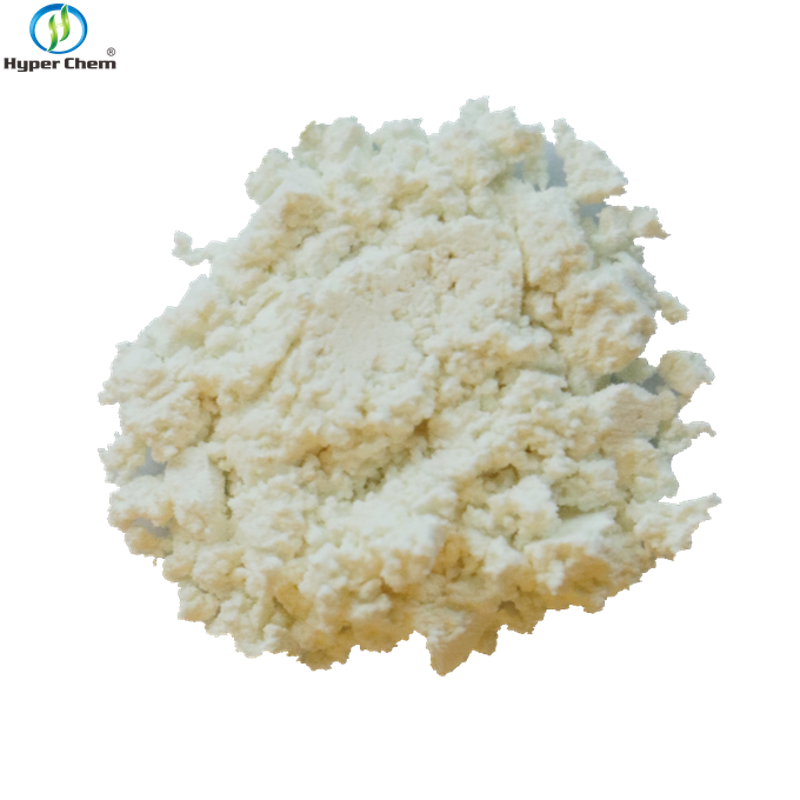
raw material Transglutaminase
2 Inquiries
Unit Price:
Get Latest Price
CAS No.:
300711-04-0
Grade:
Pharmaceutical Grade
Content:
99%
Port:
shanghai
Brand:
Hyper Chem
Packaging:
20kg/Drum 25kg/Drum
Price valid (until):
2026-04-10
Company Type:
Trader
Location:
China
Qualification:
Main Products:
Pharmaceuticals,Peptide,Cosmetics,Nutritional Supplements
-
Product Description
-
Seller Information
-
Inquiry History
-
DescriptionBasic Info
-
Product Name:
TRANSGLUTAMINASE
Other Name:TRANSGLUTAMINASE USP/EP/BP
CAS No.:300711-04-0
Molecular Weight:0
Categories:
Characteristics -
-
Seller Information
-
Business Type:
Trader
-
Main Products:
Pharmaceuticals,Peptide,Cosmetics,Nutritional Supplements
-
Location:
Rm. 803, Tower 4, LOFT49 Creative City Pioneer Zone, No.88 Jiru Rd. Gongshu Dist., Hangzhou, 310015 ZJ, China
-
Payment Terms:
TT against copy of documents,D/P,L/C,D/A,O/A,TT against B/L draft before shipment,100% TT in advance
-
Average lead Time:
10
-
Total Annual Revenue:
$5 million-$10 million
-
Total Employees:
11-50
-
Year of Establishment:
2013
-
Certifications:
Certification Report by Bureau Veritas
-
-
Inquiry History2 Inquiries
Country Product Purchase Quantity Date Posted  Colombia
transglutaminase
900 KG Mar 10, 2026  Indonesia
Transglutaminase
100 KG Nov 29, 2024 Post an enquiry for this product