




Organic Chemistry
- • Amides (2616)
- • Alcohols, Phenols, Phenol Alcohols (326)
- • Nitrogen Compounds (256)
- • Nitrile Compound (91)
- • Hydrazine or Hydroxylamine Derivatives (212)
- • Quinones (38)
- • Ethers and Derivatives (186)
- • Aldehydes (116)
- • Carboxylic Acids and Derivatives (790)
- • Hydrocarbons and Derivatives (2313)
- • Ketones (73)
- • Inorganic Acid Esters (172)
- • Heterocyclic Ring (344)
- • Organometallic Compounds (973)
- • Organosulfur Compounds (72)
- • Phosphines (726)
- • Organometalate (285)
- • Organic Fluorine Compound (2121)
- • Triazenes (18)
- • Semicarbazides (33)
- • Organoselenium Compounds (28)
- • Nitro Compounds (96)
- • Nitrates (15)
- • Lactones (240)
- • Imines (24)
- • Free Radicals (48)
- • Dioxins and Dioxin-like Compounds (31)
- • Cyanates (31)
- • Coordination Complexes (3059)
- • Boron Compounds (84)
- • Azides (66)
- • Arsenicals (56)
Related News


Amides Featured Products
-
-2'-propenyliden)-3-hydroxymethyl-2H-indolenine")
-
![buy [(2E)-2-[(E)-3-[4-(dimethylamino)phenyl]prop-2-enylidene]indol-3-yl]methanol,hydrochloride]( "[(2E)-2-[(E)-3-[4-(dimethylamino)phenyl]prop-2-enylidene]indol-3-yl]methanol,hydrochloride")
-
-2'-propenyliden)-3-hydroxymethyl-2H-indolenine")
-
-2'-propenyliden)-3-hydroxymethyl-2H-indolenine")
Industrial Grade / 99%

![buy [(2E)-2-[(E)-3-[4-(dimethylamino)phenyl]prop-2-enylidene]indol-3-yl]methanol,hydrochloride](https://file.echemi.com/fileManage/upload/cas/288/706dd9b7-00b4-496a-a7df-990558e590b1.png "[(2E)-2-[(E)-3-[4-(dimethylamino)phenyl]prop-2-enylidene]indol-3-yl]methanol,hydrochloride")
Request for quotation , get quotes from more suppliers.
2-Chloroaniline
(95-51-2)-

Industrial Grade / 99%
-

Pharmaceutical Grade / 98.5%
-

Industrial Grade / -
-

Industrial Grade / 99%


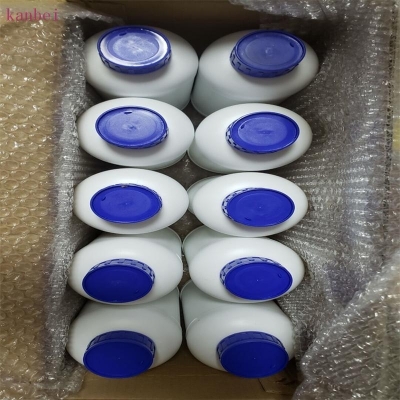
Request for quotation , get quotes from more suppliers.
2,2-Dibromo-3-nitrilopropionamide
(10222-01-2)-

Industrial Grade / 98%
-

Pharmaceutical Grade / 99%
-

-
 CAS 10222-01-2")
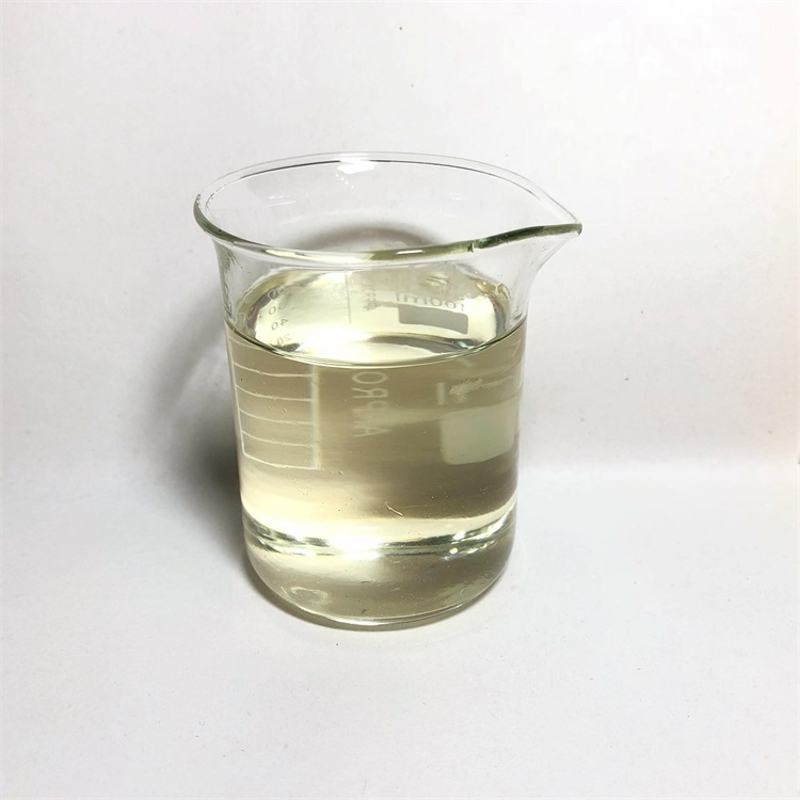


Request for quotation , get quotes from more suppliers.
-

Industrial Grade / 99%
-

-

Pharmaceutical Grade / 99%
-

Industrial Grade / 99%


Request for quotation , get quotes from more suppliers.
2-Acrylamido-2-methylpropanesulfonic acid
(15214-89-8)-

Industrial Grade / 98%
-
![buy 1-Propanesulfonicacid,2-methyl-2-[(1-oxo-2-propenyl)amino]-]( "1-Propanesulfonicacid,2-methyl-2-[(1-oxo-2-propenyl)amino]-")
Pharmaceutical Grade / 99.5%
-

-

- / 99.00%
![buy 1-Propanesulfonicacid,2-methyl-2-[(1-oxo-2-propenyl)amino]-](https://file.echemi.com/fileManage/upload/goodpicture/20240205/2-oxo-1-1-diphenylhydrazine_b20240205093911225.jpg "1-Propanesulfonicacid,2-methyl-2-[(1-oxo-2-propenyl)amino]-")


Request for quotation , get quotes from more suppliers.
Source Amides Products Supply
2-Iodoaniline
(615-43-0)-

- / 99.00%
-

industrial Grade / 98%
-

-

Pharmaceutical Grade / 99%


Request for quotation , get quotes from more suppliers.
2-Methyl-2-propanesulfinamide
(146374-27-8)-
-tert-Butanesulfinamide")
- / 99.00%
-

Chemical Grade / 99%
-

Pharmaceutical Grade / 99%
-

Pharmaceutical Grade / 99%



Request for quotation , get quotes from more suppliers.
2-Chloroethylamine hydrochloride
(870-24-6)-
")
$1-1.2/KG FOB
-

- / 99.00%
-

Pharmaceutical Grade / 98%
-

- / 99.5%


Request for quotation , get quotes from more suppliers.
2,4-Dimethylaniline
(95-68-1)-

Industrial Grade / 99%
-

Industrail Grade / 99%
-

Industrial Grade / 99%
-

Pharmaceutical Grade / 99-100%



Request for quotation , get quotes from more suppliers.
-

Industrial Grade / 99%
-

-

-


Request for quotation , get quotes from more suppliers.
More Information
Organic compounds made from a carbonyl group (C=O) connected with a nitrogen atom are amides. The amine or ammonia replaces the hydroxyl group of carboxylic acids and they are derived from them. The versatility and reactivity of this group make it pivotal in several chemical industries.
The simplest amide, acetamide is a notable amide, which is used as a solvent and a plasticizer in the polymer industries. Formamide is another important compound that is used as a solvent, and to make pharmaceuticals.
The applications of amides are as follows:
● Pharmaceuticals: Serving as intermediates in drug synthesis.
● Agriculture: Used in the formulation of pesticides and herbicides.
● Polymers: It is also part of those involved in producing nylon and other synthetic fibers.
● Solvents: Employed in industrial cleaning and chemical reactions.
● Textile Industry: For dyeing and finishing applications.
Frequently Asked Questions
Amides are organic compounds characterized by a carbonyl group (C=O) linked to a nitrogen atom. They are widely used in chemical synthesis as key intermediates for producing pharmaceuticals, agrochemicals, polymers, and specialty chemicals. Their stability and reactivity make them valuable in constructing complex molecular structures, including active pharmaceutical ingredients (APIs).
Amides play a critical role in the pharmaceutical industry because they form the backbone of many drug molecules. The amide bond is highly stable under physiological conditions, which enhances drug bioavailability and metabolic resistance. Common medications such as penicillin, acetaminophen, and numerous peptide-based therapeutics contain amide functional groups, underscoring their importance in drug design and development.
When selecting a supplier for high-purity amides, consider the following criteria:1. Certifications such as ISO, GMP, or REACH compliance.2. Analytical documentation including HPLC, NMR, or GC-MS data confirming purity and structure.3. Consistent batch-to-batch quality and scalability of production.4. Technical support and regulatory assistance for industrial or research applications.Reputable suppliers often provide certificates of analysis (CoA) and safety data sheets (SDS) to ensure transparency and reliability.
Common industrial amides include primary amides like acetamide, secondary amides such as N-methylacetamide, and tertiary amides like N,N-dimethylformamide (DMF)—a widely used polar aprotic solvent. Other notable examples include lactams (cyclic amides) used in nylon production and peptide amides in biopharmaceutical manufacturing. Each type serves distinct roles based on its chemical properties and reactivity profile.
Amides should be stored in tightly sealed containers under dry, cool conditions, typically at room temperature or refrigerated if specified. Moisture-sensitive amides require desiccants or inert atmospheres (e.g., nitrogen purging). Always follow the safety data sheet (SDS) guidelines for handling—use appropriate PPE, avoid inhalation or skin contact, and ensure compatibility with storage materials to prevent degradation or hazardous reactions.