




Cosmetic Ingredient
- • Abrasive (124)
- • Absorbent (84)
- • Anticaking (66)
- • Anticorrosive (25)
- • Antifoaming (19)
- • Antimicrobials (291)
- • Antioxidant Ingredient (395)
- • Antiperspirant (20)
- • Antiplaque (48)
- • Anti-seborrheic (38)
- • Anti-sebum (39)
- • Antistatic (458)
- • Astringent (162)
- • Binding Agent (172)
- • Bleaching Agent (53)
- • Buffering (191)
- • Bulking (109)
- • Chelating (122)
- • Cleansing (680)
- • Cosmetic Colorant (212)
- • Cosmetic Preservative (158)
- • Denaturant (45)
- • Deodorant (98)
- • Depilatory (27)
- • Dissolving Agent (298)
- • Emollient (796)
- • Emulsifying Agent (482)
- • Emulsion Stabilising (154)
- • Exfoliating (19)
- • Film Forming (299)
- • Flavouring (72)
- • Foam Boosting (161)
- • Foaming (101)
- • Fragrance Ingredient (733)
- • Gel Forming (19)
- • Hair Conditioning (672)
- • Hair Dyeing (363)
- • Hair Fixing (36)
- • Hair Waving or Straightening (45)
- • Humectant (282)
- • Hydrotrope (92)
- • Keratolytic (20)
- • Light Stabilizer (80)
- • Moisturising Agent (50)
- • Nail Conditioning (42)
- • Occlusive (20)
- • Opacifying (119)
- • Oral Care (123)
- • Oxidising (19)
- • Perfuming (2106)
- • Plasticiser (98)
- • Propellant (19)
- • Reducing (52)
- • Refatting (12)
- • Refreshing (27)
- • Skin Cleansing (388)
- • Skin Conditioning (1753)
- • Skin Humectant (21)
- • Skin Protecting (282)
- • Smoothing (32)
- • Soothing (72)
- • Tonics (155)
- • UV Filter (34)
- • Viscosity Controlling (532)
Chemicals as Skincare Ingredients
Related News


Humectant
Humectant
Sodium chloride
(7647-14-5)-

Cosmetics Grade / 100%
$16-20/KG EXW
-

Chemical Grade / 98%
$1/KG FOB
-

Industrial Grade / 99%
-

- / 99.00%



Sorbitol
(50-70-4)-

cosmetic grade / -
$114/KG EXW
-

Chemical Grade / 99%
$1/G FOB
-

- / 0.00%
-

- / 99.00%



Sucrose
(57-50-1)-

-
-Sucrose")
- / 99.00%
-

Pharmaceutical Grade / 99%
-

Industrial Grade / 98%


Sodium hyaluronate
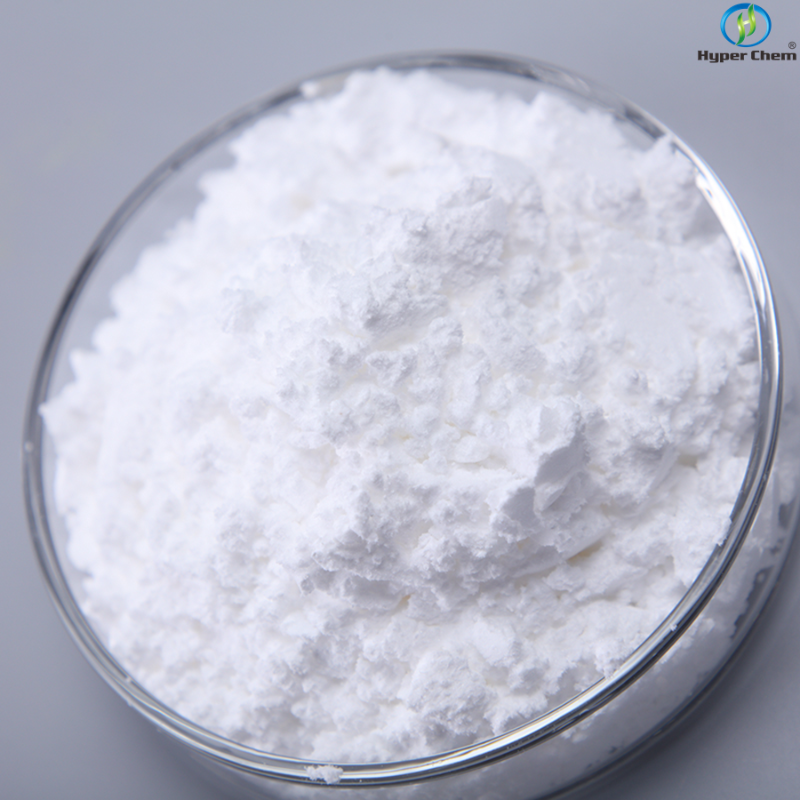
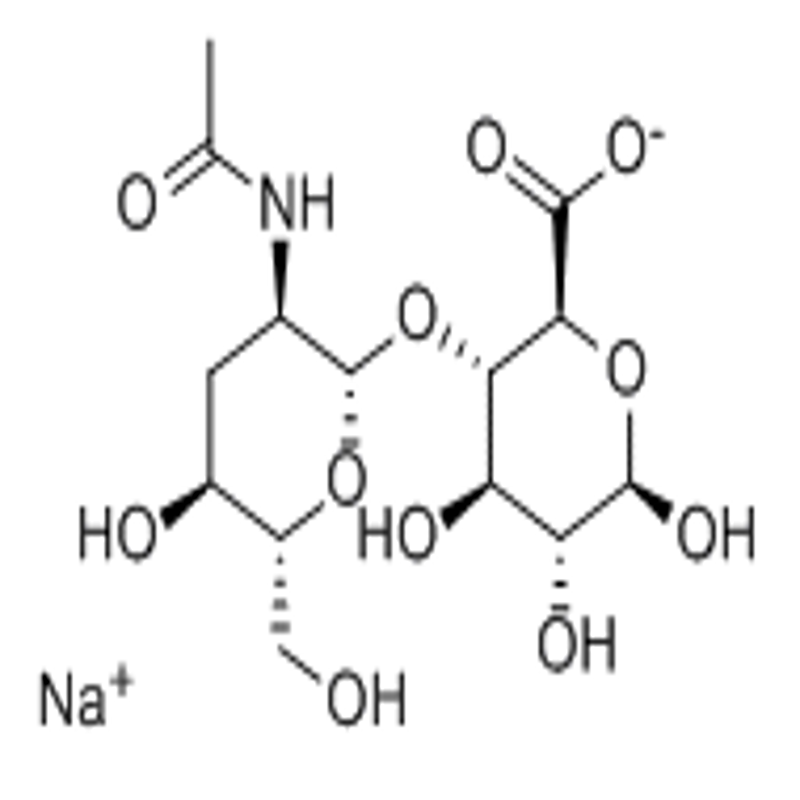
(9067-32-7)2.Widely used in high-end cosmetics industry, used in dry eye syndrome. sodium hyaluronate is used as a humectant to increase moisture in the skin, it may also serve as an emulsifier. Sodium hyaluronate is capable of binding 1,800 times its own weight in water. It is the sodium salt of hyaluronic acid and is the most commonly used form. Sodium Hyaluronic is is an anionic, nonsulfated glycosaminoglycan distributed widely throughout connective, epithelial, and neu
-

cosmetic grade / 99%
-

Food Grade/ Cosmetic Grade/Injection Grade / 99%
-

Cosmetics Grade / 99%
$10-13/G FOB
-

Cosmetics Grade / 99%
$199-210/KG FOB

Sesame oil
(8008-74-0)-

Food Grade / 99%
-

- / 99.00%
-

-

Pharmaceutical Grade / 0%



Request for quotation , get quotes from more suppliers.
Source Humectant Products Supply
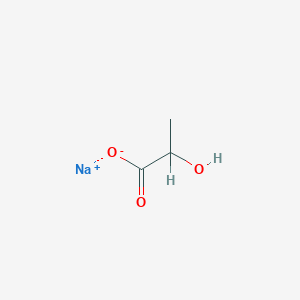
Sodium lactate
(72-17-3)-

Cosmetic Grade / 60%
$35/KG EXW
-

pharmaceutical grade/food grade / 99%
$12-13/KG FOB
-

- / 99.00%
-

Food Grade / 99%


Request for quotation , get quotes from more suppliers.
-

Cosmetics Grade / 99%
-

Pharmaceutical Grade / 99%
-

Industrial Grade / 99%
-

Industrial Grade / -



Request for quotation , get quotes from more suppliers.
Sodium L-lactate
(867-56-1)-
-lactate CAS NO 867-56-1 99% Dideu-5-00085 Dideu")
Industrial Grade / 99%
-
-Lactate CAS 867-56-1 with Best Prrice")
- / 0.00%
-
-lactate")
- / 99.00%
-
-lactate 867-56-1")
Food grade / 99%


Request for quotation , get quotes from more suppliers.
-

Cosmetics Grade / 99%
$20.2-23.23/KG EXW
-

Cosmetics Grade / 99%
$1/KG EXW
-

- / 0.00%
-

- / 99.00%


Request for quotation , get quotes from more suppliers.
St.-John's-wort, Hypericumperforatum, ext.
(84082-80-4)-

Pharmaceutical Grade / 0.3%
-

- / 0.3%
-

Food Grade / 20%
-

Industrial Grade / 99%


Request for quotation , get quotes from more suppliers.
Source Humectant Raw Materials by Region

More Information
A humectant is a crucial ingredient used in various topical dosage forms, particularly in enhancing the solubility of active ingredients in pharmaceuticals and cosmetics. Its primary purpose is to increase the effectiveness of chemical compounds, allowing them to better penetrate the skin and extend their activity time.
Humectants operate by drawing moisture from the environment, creating a hydrating effect that is especially beneficial in countering the dehydrating impact of certain active ingredients like soaps, corticoids, and certain alcohols.
Common humectants
•Oil: Glycerin is a natural humectant that attracts large amounts of water.
•Hyaluronic Acid: Hyaluronic acid is a natural polysaccharide.
•Allantoin: Allantoin has a moisturizing and cuticle softening effect.
•Natural Oils: Vegetable oils, such as olive oil and sweet almond oil, are rich in fatty acids.
Frequently Asked Questions
A humectant is a hygroscopic substance that attracts and retains moisture from the environment to keep products or skin hydrated. Commonly used in cosmetics, personal care items, and food, humectants like glycerin, hyaluronic acid, and propylene glycol help maintain moisture balance by drawing water into the outer layer of the skin or product matrix. This property makes them essential in formulations aimed at preventing dryness and improving texture.
The most widely used humectants in skincare include glycerin, hyaluronic acid, sorbitol, propylene glycol, and urea. Each offers unique benefits: glycerin is cost-effective and highly effective at hydration; hyaluronic acid can hold up to 1,000 times its weight in water; sorbitol provides mild moisturization and acts as a stabilizer; propylene glycol enhances ingredient penetration; and urea helps exfoliate while hydrating. Choosing the right humectant depends on the desired formulation performance and skin compatibility.
Most humectants are considered safe for sensitive skin when used at appropriate concentrations. Glycerin and hyaluronic acid, for example, are generally well-tolerated and non-irritating. However, some individuals may experience sensitivity to certain humectants like propylene glycol, especially at higher levels. It’s important to patch-test new products and select formulations labeled 'hypoallergenic' or 'dermatologist-tested' if you have reactive or compromised skin barriers.
Humectants, emollients, and occlusives serve complementary roles in moisturization. Humectants draw water into the skin from the environment or deeper layers. Emollients (like squalane or fatty acids) smooth and soften the skin by filling gaps between skin flakes. Occlusives (such as petrolatum or dimethicone) form a protective barrier to prevent moisture loss. Effective moisturizers often combine all three types to deliver comprehensive hydration and barrier support.
Yes, humectants are commonly used in both food and pharmaceutical applications. In food, ingredients like glycerin and sorbitol help retain moisture, improve texture, extend shelf life, and prevent crystallization in products such as baked goods, candies, and low-moisture foods. In pharmaceuticals, humectants maintain the stability and consistency of topical creams, ointments, and oral liquids. Regulatory-approved humectants must meet strict purity and safety standards for use in consumable and medicinal products.