




Cosmetic Ingredient
- • Abrasive (124)
- • Absorbent (84)
- • Anticaking (66)
- • Anticorrosive (25)
- • Antifoaming (19)
- • Antimicrobials (291)
- • Antioxidant Ingredient (395)
- • Antiperspirant (20)
- • Antiplaque (48)
- • Anti-seborrheic (38)
- • Anti-sebum (39)
- • Antistatic (458)
- • Astringent (162)
- • Binding Agent (172)
- • Bleaching Agent (53)
- • Buffering (191)
- • Bulking (109)
- • Chelating (122)
- • Cleansing (680)
- • Cosmetic Colorant (212)
- • Cosmetic Preservative (158)
- • Denaturant (45)
- • Deodorant (98)
- • Depilatory (27)
- • Dissolving Agent (298)
- • Emollient (796)
- • Emulsifying Agent (482)
- • Emulsion Stabilising (154)
- • Exfoliating (19)
- • Film Forming (299)
- • Flavouring (72)
- • Foam Boosting (161)
- • Foaming (101)
- • Fragrance Ingredient (733)
- • Gel Forming (19)
- • Hair Conditioning (672)
- • Hair Dyeing (363)
- • Hair Fixing (36)
- • Hair Waving or Straightening (45)
- • Humectant (282)
- • Hydrotrope (92)
- • Keratolytic (20)
- • Light Stabilizer (80)
- • Moisturising Agent (50)
- • Nail Conditioning (42)
- • Occlusive (20)
- • Opacifying (119)
- • Oral Care (123)
- • Oxidising (19)
- • Perfuming (2106)
- • Plasticiser (98)
- • Propellant (19)
- • Reducing (52)
- • Refatting (12)
- • Refreshing (27)
- • Skin Cleansing (388)
- • Skin Conditioning (1753)
- • Skin Humectant (21)
- • Skin Protecting (282)
- • Smoothing (32)
- • Soothing (72)
- • Tonics (155)
- • UV Filter (34)
- • Viscosity Controlling (532)
Chemicals as Skincare Ingredients
Related News
-
India Imposes Final Anti‑Dumping Duties on Ethylenediamine from China, EU, Saudi Arabia, and Taiwan, China, with Top Rate of $575/tonne
2026-06-30 -
BASF's Intensified Moves from May to June: Plant Closures, Divestitures, and Transformation in Sync
2026-06-26 -
Hormuz Is Reopening, But Chemical Logistics May Take Months to Recover
2026-06-22 -
US Chemical Shutdown Wave Expands, PS Units Become the Hardest Hit Segment
2026-06-30 -
Another Major Coating Manufacturer Acquired by a Central SOE: BNBM Acquires SUNROAD Group for Over RMB 300 Million, Locks in Three-Year Performance Pledge
2026-06-29 -
EU mulls expanding tariff scope on Chinese chemicals, sector-wide measures in the pipeline
2026-06-23


Keratolytic
Keratolytic
Salicylic acid
(69-72-7)2. Non-steroidal anti-inflammatory drugs
-

Cosmetics Grade / 99%
-

Cosmetics Grade / 98%
-

Cosmetics Grade / 99%
-

Cosmetics Grade / 99%


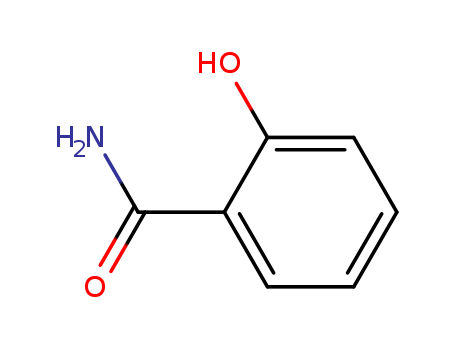
Salicylamide
(65-45-2)-

Industrial Grade / 99%
-

- / 0.00%
-

- / 99.00%
-


Request for quotation , get quotes from more suppliers.
-
 Mecacol")
Cosmetics Grade / 99%
-

Reagent Grade / 99%
$33-38/KG FOB
-

Food Grade / -
-


Request for quotation , get quotes from more suppliers.
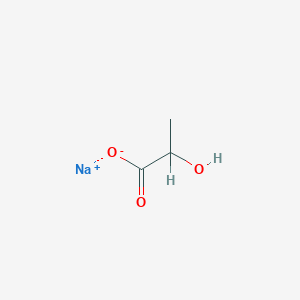
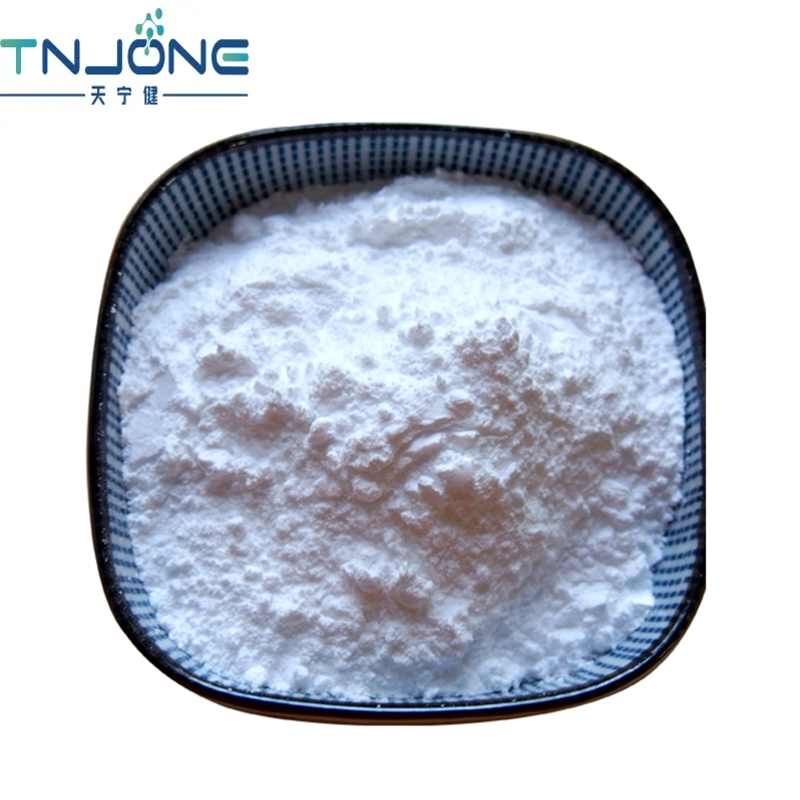
Sodium lactate
(72-17-3)-

Cosmetic Grade / 60%
$35/KG EXW
-

pharmaceutical grade/food grade / 99%
$12-13/KG FOB
-

- / 99.00%
-

Food Grade / 99%


Request for quotation , get quotes from more suppliers.
Subtilisin
(9014-01-1)-

Pharmaceutical Grade / 99%
-

- / 98%
-

Industrial Grade / 99%
-

Pharmaceutical Grade / 99%


Request for quotation , get quotes from more suppliers.
Source Keratolytic Products Supply
Sodium L-lactate
(867-56-1)-
-lactate CAS NO 867-56-1 99% Dideu-5-00085 Dideu")
Industrial Grade / 99%
-
-Lactate CAS 867-56-1 with Best Prrice")
- / 0.00%
-
-lactate")
- / 99.00%
-
-lactate 867-56-1")
Food grade / 99%


Request for quotation , get quotes from more suppliers.
Sutilains
(12211-28-8)-

pharmaceutical grade / 99%
-
")
- / 90%
-

Industrial Grade / 99.0%
-


Request for quotation , get quotes from more suppliers.
More Information
The stratum corneum is the outermost layer of the epidermal skin and consists of dead keratinocytes. Under normal circumstances, the outermost layer of keratin is gradually shed as the epidermal keratinocytes differentiate and move upward. However, aging, external stress, and environmental factors such as ultraviolet rays can slow down skin metabolism and abnormal exfoliation or renewal of keratin, resulting in dullness, rough, and lack of luster, and also affecting the transdermal absorption of subsequent cosmetics.
Keratolytic products facilitate the removal of dead skin cells by employing chemicals that break down cell bonds, promoting exfoliation and revealing fresh, healthy skin. They may also soften the skin, stimulate natural cell turnover, and unclog pores.
Exfoliating methods
● Physical: Utilize exfoliating scrubs or cleansers containing fine particles.
● Chemical: Employ products containing acid-based ingredients like alpha-hydroxy acids (AHAs) or beta-hydroxy acids (BHAs). AHAs (such as lactic acid, glycolic acid).
● Enzymatic: Use products with natural enzymes like papaya or pineapple enzymes.
Frequently Asked Questions
A keratolytic agent is a substance that helps dissolve or break down the outer layer of dead skin cells (keratin) on the epidermis. It works by softening and loosening the bonds between these cells, promoting exfoliation and revealing healthier skin underneath. Common keratolytic ingredients include salicylic acid, urea, lactic acid, and alpha hydroxy acids (AHAs). These agents are widely used in dermatology to treat conditions like acne, psoriasis, warts, and calluses.
Keratolytic products are primarily used to treat skin conditions characterized by thickened or scaly skin. Common applications include:1. Managing acne by unclogging pores.2. Treating psoriasis and seborrheic dermatitis by reducing scaling.3. Removing warts, corns, and calluses.4. Improving skin texture and tone in cosmetic formulations.These products are available in various forms such as creams, gels, ointments, and medicated pads, making them versatile for both therapeutic and aesthetic purposes.
Choosing the right keratolytic product involves considering your specific skin concern, skin type, and ingredient tolerance:1. For acne-prone skin, salicylic acid is often recommended due to its oil-soluble properties.2. Dry or sensitive skin may benefit from gentler agents like urea or lactic acid.3. Thickened lesions like warts or calluses typically require stronger formulations with higher concentrations.4. Consult a dermatologist if you have chronic conditions like psoriasis or eczema to ensure safe and effective treatment. Always check product labels for active ingredients and concentration levels.
While generally effective, keratolytic treatments may cause side effects, especially during initial use or with high concentrations. Common reactions include skin dryness, redness, stinging, peeling, or mild irritation. In rare cases, allergic contact dermatitis or excessive skin thinning may occur. To minimize risks, start with lower concentrations, apply moisturizers, avoid combining multiple exfoliating products, and discontinue use if severe irritation develops. Individuals with compromised skin barriers or certain medical conditions should seek professional advice before use.