




Organic Chemistry
- • Amides (2624)
- • Alcohols, Phenols, Phenol Alcohols (330)
- • Nitrogen Compounds (259)
- • Nitrile Compound (91)
- • Hydrazine or Hydroxylamine Derivatives (213)
- • Quinones (38)
- • Ethers and Derivatives (186)
- • Aldehydes (117)
- • Carboxylic Acids and Derivatives (794)
- • Hydrocarbons and Derivatives (2317)
- • Ketones (77)
- • Inorganic Acid Esters (172)
- • Heterocyclic Ring (351)
- • Organometallic Compounds (975)
- • Organosulfur Compounds (73)
- • Phosphines (726)
- • Organometalate (285)
- • Organic Fluorine Compound (2121)
- • Triazenes (18)
- • Semicarbazides (33)
- • Organoselenium Compounds (28)
- • Nitro Compounds (96)
- • Nitrates (15)
- • Lactones (240)
- • Imines (24)
- • Free Radicals (48)
- • Dioxins and Dioxin-like Compounds (31)
- • Cyanates (31)
- • Coordination Complexes (3059)
- • Boron Compounds (84)
- • Azides (66)
- • Arsenicals (56)
Related News
-
Export warning | since January 1, 2023 in the European Union on imports of Chinese tea will strengthen the controls
2022-12-26 -
Organic coconut oil: One of the best survival and preparedness items to stock up on
2022-11-03 -
Xinhua shares will increase the production capacity of the new flame retardant project by three times
2022-10-28 -
BENEO Push Organic Chicory Root Fiber
2020-06-18 -
Natural ingredients, cleaning and beauty are attracting attention
2019-12-03 -
Strive for more than 2000 certificates of organic products certification
2019-10-18


Organometalate Featured Products
Organometalate
Disodium succinate
(150-90-3)-

Food grade / 99%
-

-

- / 99.00%
-
")
Pharmaceutical Grade / 98.9%


Diammonium citrate
(3012-65-5)-

Pharmaceutical Grade / 99%
-

- / 99.00%
-

Reagent Grade / 99%
$80-100/KG FOB
-

Industrial Grade / 99%


Request for quotation , get quotes from more suppliers.
Disodium zinc EDTA
(14025-21-9)-

Industrial Grade / 99%
-

-

Chemical Grade / 99%
$25-27/KG FOB
-


Request for quotation , get quotes from more suppliers.
Diammonium tartrate
(3164-29-2)-

Industrial Grade / 99%
-

- / 99.00%
-

- / 99.00%
-

Industrial Grade / -


Request for quotation , get quotes from more suppliers.
Dibutyltin diacetate
(1067-33-0)-

- / 99.00%
-
")
Industrial Grade / 99%
-

Industrial Grade / 99%
$99839/MT FOB
-

- / 99%



Request for quotation , get quotes from more suppliers.
Source Organometalate Products Supply
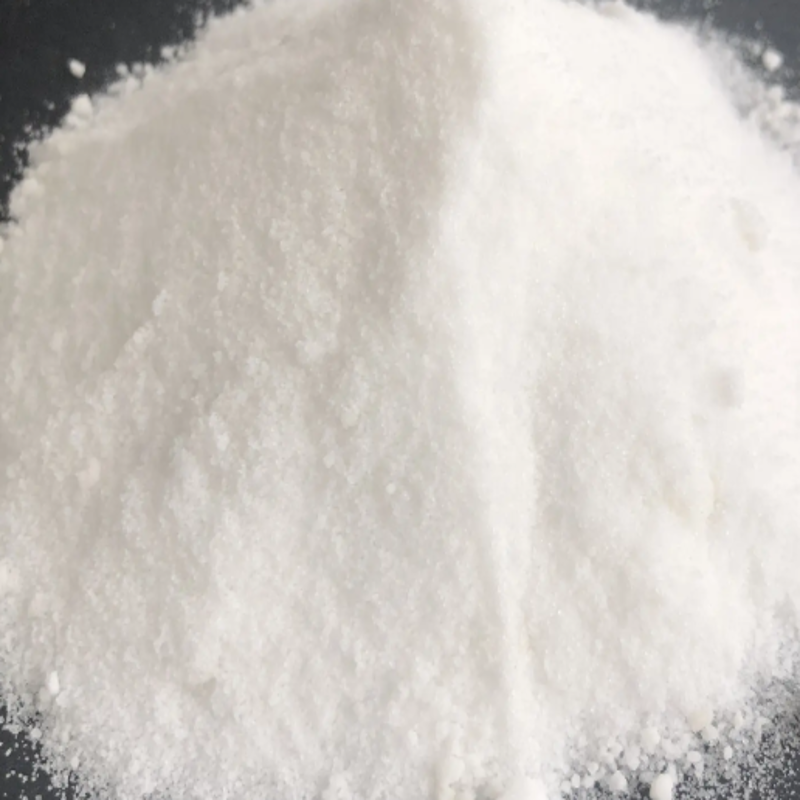
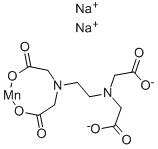
Disodium manganese EDTA
(15375-84-5)-

-

-

industrial Grade / 98%
-

- / 15%


Request for quotation , get quotes from more suppliers.
Disodium 5′-cytidylate
(6757-06-8)-

-

- / 99.00%
-
 99.0%Min White crystalline powder RC01013")
Industrial Grade / 99.0%
-

Top Product / 98%


Request for quotation , get quotes from more suppliers.
Dipotassium bis(μ-d-tartarto)diantimonate(2-)
(11071-15-1)-

-

Pharmaceutical Grade / 99%
-

pharmaceutical grade / 99.9%
-

Pharmaceutical Grade / 99%


Request for quotation , get quotes from more suppliers.
-

Food Grade / 99%
-

Industrial Grade / 99.0%
-

-


Request for quotation , get quotes from more suppliers.
Diammonium succinate
(2226-88-2)-

pharmaceutical grade / 99%
-

Industrial Grade / 99%
-

-


Request for quotation , get quotes from more suppliers.
Source Organometalate Raw Materials by Region


Frequently Asked Questions
An organometalate is a type of coordination compound that contains at least one direct bond between a metal atom and a carbon atom of an organic group. These compounds are widely used in catalysis, materials science, and pharmaceutical synthesis due to their unique reactivity and structural properties. Organometalates play a critical role in modern organic chemistry, especially in cross-coupling reactions and polymerization processes.
Organometalates are commonly used in several industrial applications, including:1. Catalysis—particularly in hydrogenation, hydroformylation, and C–C bond-forming reactions like Suzuki or Heck couplings.2. Pharmaceutical manufacturing—as intermediates or catalysts in the synthesis of active pharmaceutical ingredients (APIs).3. Materials science—for developing conductive polymers, OLEDs, and other advanced functional materials.4. Agrochemical production—to enable efficient synthesis of complex organic molecules.Their versatility makes them indispensable in high-value chemical processes.
When selecting a supplier for organometalate compounds, consider the following criteria:1. Regulatory compliance—ensure the supplier adheres to ISO, GMP, or REACH standards where applicable.2. Purity and analytical documentation—reputable suppliers provide certificates of analysis (CoA), NMR, HPLC, or GC data.3. Technical support—look for vendors with in-house chemists who can assist with application-specific guidance.4. Scalability and consistency—verify they can reliably supply both R&D quantities and bulk production volumes.5. Safety and handling protocols—especially important for air- or moisture-sensitive organometalates.Choosing a qualified supplier ensures product quality and process reliability.
Many organometalate compounds can be hazardous due to their reactivity, toxicity, or sensitivity to air and moisture. For example, organolithium or Grignard reagents are pyrophoric, while some transition metal complexes may pose environmental or health risks. Always consult the Safety Data Sheet (SDS) before handling. Use appropriate personal protective equipment (PPE), work under inert atmosphere when required, and follow institutional safety guidelines. Proper storage and disposal procedures are essential to ensure laboratory and workplace safety.
The stability of organometalate reagents depends on several key factors:1. Metal identity—heavy metals often form more stable complexes than alkali metals.2. Ligand structure—bulky or electron-donating ligands can enhance stability.3. Solvent compatibility—some organometalates decompose in protic solvents but remain stable in dry, aprotic media like THF or toluene.4. Exposure to air or moisture—many are highly sensitive and require handling under nitrogen or argon.5. Temperature—storage at low temperatures (e.g., –20°C) often prolongs shelf life.Understanding these variables helps maintain reagent integrity during storage and use.