




Industrial Coatings
- • Film-Forming Material (21)
- • Coating Additive (118)
- • Paint Pigment & Filler (45)
- • Paint Solvent (42)
Related News
-
SunChemical Pigments Obtains ECO PASSPORT by OekoTex® Certification
2024-01-29 -
Invest 10 million! The annual output of 5,000 tons of pigment project will start soon!
2022-12-27 -
FDA plans to expand use of Spirulina extract
2022-11-14 -
Clariant spins off pigment business to Heubach and SK Capital
2022-06-02 -
This new standard will be officially implemented soon!
2021-09-14 -
Senxin developed a new Phalaenopsis blue pigment, which was approved by the FDA for use in food
2021-09-13


Paint Pigment & Filler Featured Products
Paint Pigment & Filler
Iron oxide (Fe2O3)
(1309-37-1)-

Industrial Grade / 99%
-
 oxide 99% powder aly- 1309-37-1 lk")
Industrial Grade / 99%
-

Industrial Grade, pharma grade / 90%
$950-1150/MT FOB
-

Industrial Grade / 99.5%


Request for quotation , get quotes from more suppliers.
-

Industrial Grade / 93%
$1500-1800/MT FOB
-

Industrial Grade / 99.9%
-

Industrial Grade / 99%
-
 PL TITANIUM DIOXIDE WHITE")
Industrial Grade / 93%


Request for quotation , get quotes from more suppliers.
Kaolin
(1332-58-7)-

Industrial Grade / 99.99%
-
")
Industrial Grade / 99.5%
-

Industrial Grade / 98%
-

Industrial Grade / -



-

Industrial Grade / 99%
-

Industrial Grade / 99%
-

Industrial Grade / 100%
-

Industrial Grade / 99.9%



Request for quotation , get quotes from more suppliers.
Copper phthalocyanine
(147-14-8)-
 phthalocyanine 99% powder Dideu")
Industrial Grade / 99%
-
 phthalocyanine.")
Industrial Grade / 99%
-
")
Industrial Grade / -
-
 Phthalocyanine (α-form) 99% see COA kanbei")
Industrial Grade / 99%


Request for quotation , get quotes from more suppliers.
Lead oxide (Pb3O4)
(1314-41-6)-

Industrial Grade / 99%
-

industrial Grade / 98%
$1/MT FOB
-

industrial Grade / 98%
-
 99% Orange red powder")
Industrial Grade / 99%




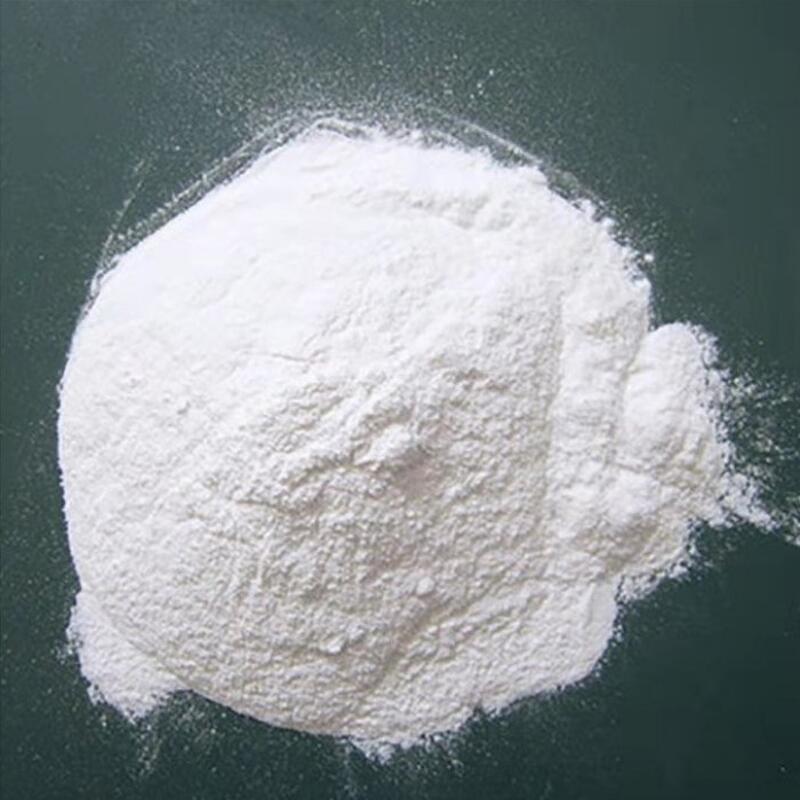
Calcium silicate
(1344-95-2)-

Industrial Grade / 99.9%
-

Industrial Grade / 99%
-

Industrial Grade / 99%
$430/MT FOB
-

Industrial Grade / 99.5%



Request for quotation , get quotes from more suppliers.
-

Industrial Grade / 99.0%
-

Industrial Grade / 99%
-

Industrial Grade ,Pharma Grade / 99%
-

Industrial Grade / 99%


Request for quotation , get quotes from more suppliers.
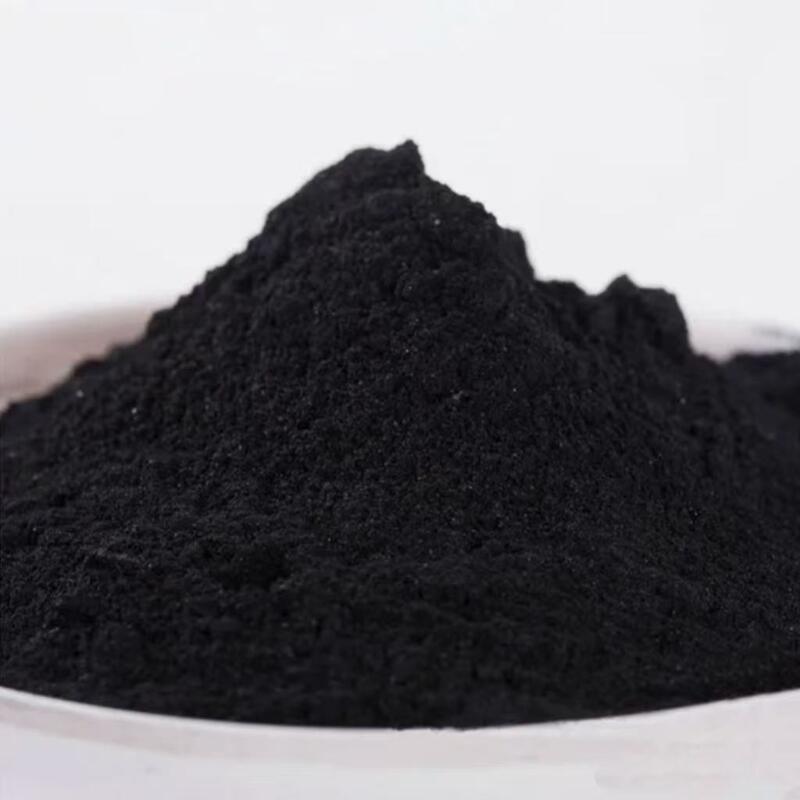
Triiron tetraoxide
(1317-61-9)-

Industrial Grade / 99%
$595/MT FOB
-

Industrial Grade / 99%
-

Industrial Grade / 98%
-

Industrial Grade / 94%


Request for quotation , get quotes from more suppliers.
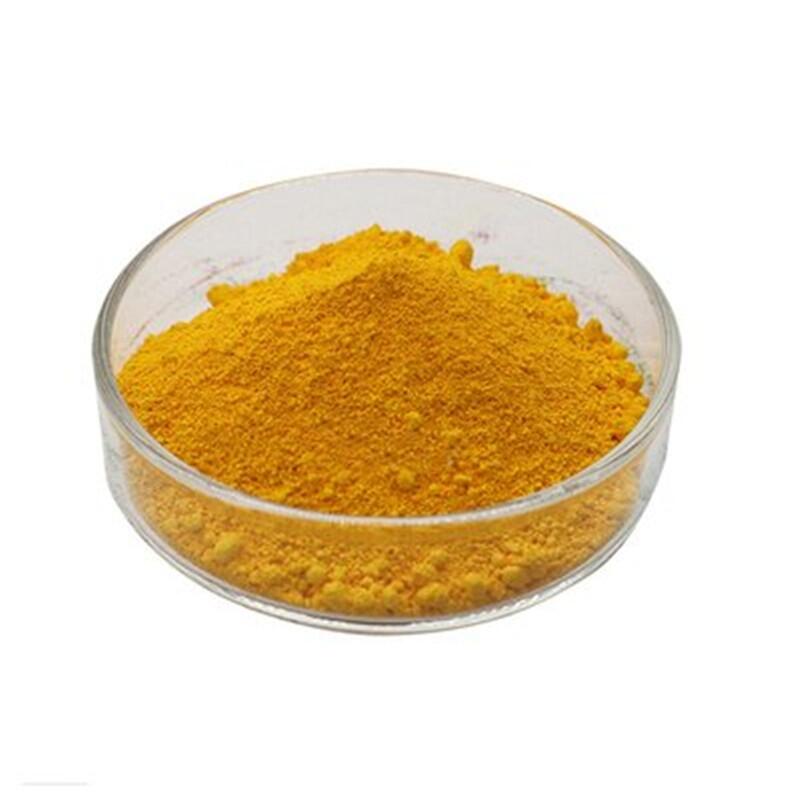
Lead chromate (PbCrO4)
(7758-97-6)-

Industrial Grade / 99%
-

Industrial Grade / 98%
-

Industrial Grade / 99%
-

Industrial Grade / 99%


Request for quotation , get quotes from more suppliers.
Source Paint Pigment & Filler Raw Materials by Region

More Information
Pigments of paint are fine, insoluble particles used in giving colours, hiding power, and other vital characteristics in paint and coating systems. They are essentially grouped as oil-based and acrylic-based pigments according to the groups of the chemicals which enter into their making like organic and inorganic and chemical color index. Oil paint pigments are primarily for oil-based paints that are thick, buttery in texture and quite slow in drying while acrylic pigment paint and high pigment acrylic paint are for water decant-based acrylic medium and those that are vernal in drying, very versatile and offer very bright colours.
Some of the other factors that go into the selection process include light fastness, tint strength, transparency, and interactions with the binding medium. Paints are prepared as pigment powders, binders, solvents, and additives mixed in numerous ratios to suit numerous art forms and other utility requirements.
Some of the applications of paint pigment powder are:
● Woodworking
● Bath products
● Painting
● Cosmetics
● Resin
Frequently Asked Questions
Paint pigments provide color, opacity, and UV resistance to coatings, while fillers (also known as extenders) improve texture, durability, and cost-efficiency. Together, they enhance the performance, appearance, and application properties of paints and coatings across industrial, architectural, and automotive applications.
To select high-quality paint pigments and fillers, consider the following criteria:1. Purity and chemical stability to ensure consistent color and performance.2. Particle size and distribution, which affect gloss, dispersion, and film formation.3. Compatibility with binders and other formulation components.4. Compliance with environmental and safety regulations (e.g., REACH, RoHS).5. Supplier certifications such as ISO 9001 or ISO 14001 for quality and sustainability assurance.
Organic pigments offer bright, vibrant colors and high tinting strength but may have lower heat and light stability. Inorganic pigments, derived from mineral sources, provide excellent durability, weather resistance, and thermal stability but typically in more muted tones like oxides and earth colors. The choice depends on the end-use requirements—such as exterior durability versus interior aesthetics.
Common paint fillers include calcium carbonate (chalk), talc, kaolin clay, barium sulfate (blanc fixe), and silica. Each serves specific functions: calcium carbonate improves opacity and reduces cost; talc enhances scrub resistance; kaolin improves suspension and sheen control; barium sulfate increases density and chemical resistance; and silica can modify rheology and matting effects.
Yes. The choice of pigments and fillers influences a paint’s VOC content, biodegradability, and compliance with green building standards (e.g., LEED, Green Seal). Heavy-metal-based pigments (like cadmium or lead chromates) are increasingly restricted due to toxicity. Eco-friendly alternatives—such as iron oxide pigments or bio-based fillers—are gaining traction to meet sustainability goals and regulatory requirements.