High-performance synthetic resin is a key basic material supporting the development of national strategic emerging industries such as advanced manufacturing, new energy, and electronic information. How to use existing equipment and technology to develop high-end products and achieve large-scale applications; strengthen basic research and talent training in the field of high-performance materials to ensure technological innovation; develop biodegradable plastics to promote sustainable development; strengthen "industry-university-research-application" cooperation, Improve technology conversion and application efficiency.
The research on the high performance of synthetic resins is mainly through measures such as increasing the technical content of material products, reducing the proportion of the cost of raw materials, improving the application performance of material products, giving green and sustainable ecological characteristics, and improving material product technical services. The value and competitiveness of the product.
Focus on increasing R&D efforts in terms of diversification of raw materials, catalyst technology, polymerization process, and large-scale equipment, breaking through the production technology of high-end polyolefin materials, and at the same time attaching importance to the recycling of waste plastics to improve the comprehensive utilization of plastics. Develop special synthetic resin materials such as optical grade and electronic grade to meet the urgent needs of high-tech applications.
High-performance polyolefin is one of the development priorities of advanced synthetic resins. In recent years, catalyst technology (such as metallocene catalysts), polymerization technology, polymer processing technology, etc. have developed rapidly. New catalyst design methods and control methods (such as metal-metal synergistic effect, ligand secondary coordination effect, ligand- Substrate effects, oxidation-reduction control, etc.), and new heterogeneous polymerization methods (such as self-stable precipitation polymerization) have become effective ways for the efficient preparation of high-performance polyolefins.
The high-end polyolefin grades continue to be enriched and the quality continues to improve. Products such as high melt strength polypropylene, high-density polyethylene pipe materials, transparent impact polypropylene, capacitor film materials and other products have achieved application breakthroughs; optical grade, film grade , Electronic grade, and high-performance synthetic resins for additive manufacturing have developed rapidly and are used in high-end fields.
There is a serious shortage of high-end products and a large amount of dependence on imports. How will the "14th Five-Year Plan" resolve the structural contradictions of polyolefin products?
The "Thirteenth Five-Year" National Strategic Emerging Industry Development Plan requires the development and expansion of a new generation of information technology, new materials and other strategic emerging industries, and high-performance synthetic resins are also included in the development plan as a basic material for advanced manufacturing. Break through the technical bottleneck of high-performance synthetic resin, upgrade the existing material system, and meet the needs of major projects and high-end manufacturing.
New green and environmentally friendly synthetic resin products can meet the needs of high-quality life, such as safe and non-toxic toys and daily necessities, and high-barrier food packaging materials. In order to meet the requirements of comfortable travel, high-performance synthetic resins are used to prepare low volatile organic compound (VOC) automotive interior materials, new high-speed train structural parts and decorative parts with flame retardant, vibration reduction, and noise reduction effects.
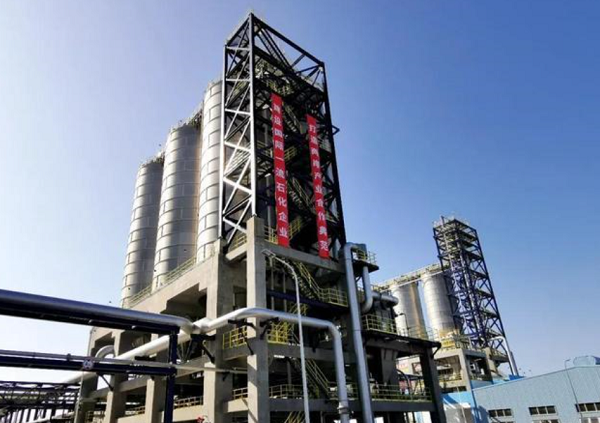
![plant]()
High-end polyolefin grades (such as metallocene polyethylene, metallocene polypropylene, high-carbon olefin copolymer polyethylene, etc.) and special polyolefins (such as ethylene-vinyl acetate copolymer (EVA) resin, ethylene-vinyl alcohol copolymer (EVOH) ) Resin, polybutene-1, etc.), the consumption in my country is 1.138×10⁷ t/a, but the self-sufficiency rate is lower than 40%. High-end synthetic resins such as Polyvinyl Butyral (PVB) films for laminated glass, electronic grade epoxy resins, and polyvinylidene fluoride (PVDF) diaphragms for power batteries are basically dependent on imports.
01
What is the development trend of high-performance polyolefin material technology?
1. Develop raw material diversification technology
The key to the technology of preparing high-performance polyolefins from diversified raw materials is to optimize feed control and ensure the quality of raw materials, and to flexibly use multiple raw materials for production through process optimization.
2. Improve catalyst technology
The research of polyolefin catalysts has turned to improving the overall performance of products, and the main goal is to improve the catalyst's ability to control polymer performance.
The metallocene catalyst realizes the fine adjustment of polymer chain length, branching degree and stereoregularity. Compared with traditional Ziegler/Natta catalysts, the structure of polyolefin products prepared with metallocene catalysts has better regularity, controllability and product performance.
In 2017, the domestically developed carrier metallocene polypropylene catalyst was put into use for the first time in a batch-type liquid phase bulk polypropylene plant (8×10⁴ t/a), filling the domestic technological gap.
Metallocene catalysts will continue to develop due to their advantages such as high activity, single active center, and strong copolymerization ability, so as to more accurately control the polymer molecular configuration and customize products to meet the end use. The research focus of related technologies is to further improve the morphology of polyolefine, widen its relative molecular mass distribution range, reduce the amount of expensive co-catalyst methylaluminoxane (MAO), and further reduce the cost of metallocene catalysts.
In addition, the development of catalytic systems such as palladium diimide, nickel salicylaldimine, and palladium phosphine sulfonate has realized the copolymerization of polar monomers and olefins, significantly improving the surface properties, adhesion, flexibility, and Solvent resistance, rheology, co-dissolution and blending with other polymers and polymer additives are also one of the future development trends.
3. Coexistence of multiple polymerization processes
The number of polypropylene polymerization processes exceeds 20, especially the gas phase process represented by Unipol, Novolen, Innovene, etc., has developed rapidly in the past 10 years; multi-zone circulation reactor technology is also emerging. The polyolefin elastomer (POE) polymerization process is mainly based on the Insite solution polymerization process developed by the Dow Chemical Company, and the Exxpol high-pressure polymerization technology developed by ExxonMobil. In recent years, based on Insite catalyst technology, a new chain shuttle polymerization technology has been successfully developed, and high-performance olefin block copolymers have been obtained.
4. The device tends to be large
The scale of a single set of polypropylene projects under construction in my country is concentrated in 300-45 million tons/year. The research and development of large-scale polyolefin production equipment has made significant progress. The domestic large-scale extrusion pelletizing unit can achieve 300-35 million tons/year.
5. The emergence of high-end brand products
Polyolefin product technology aims to improve the overall performance of the product, and is committed to developing new varieties, increasing the added value of products, and expanding product applications.
In terms of polyethylene, heat-resistant polyethylene (PE-RT) developed by improving comonomers has been used in building heating. By optimizing the polyethylene bimodal polymerization process, a large building with better low sag and crack resistance has been developed. Caliber polyethylene pipes are used in oil fields and logistics transportation, and new metallocene polyethylene products and ultra-high molecular weight polyethylene (UHMWPE) products that can be used for lithium battery separators have been developed.
New products and brands, including polypropylene materials for medical equipment/medical protective equipment, antibacterial polypropylene materials, low soluble propylene copolymer polypropylene, and low VOC polypropylene materials are also emerging.
6. Pay attention to the recycling of waste plastics
In the natural environment, plastic products are difficult to decompose naturally after application, and the recycling of plastic products has become the focus of world attention.
Waste plastic recycling technologies mainly include direct recycling, modified recycling, and chemical recycling. The chemical recovery method changes the bonding state of plastic macromolecules through thermal cracking, catalytic cracking and thermal cracking-catalytic reforming methods, and decomposes them to produce various low molecular compounds or oligomers; it can be used to produce fuel oil and fuel gas And chemical raw materials have become the most promising recycling method.
02
Analysis and countermeasures of key technologies for high-performance polyolefin products
In the future, my country's synthetic resin industry needs to continuously upgrade its technology, highlight the development direction of high-end and functionalization, and further expand the market scale.
The development of high-performance synthetic resin mainly includes the following ways: introducing foreign high-end product production equipment and high-end brand production technology, learning-absorption-re-innovation; using existing equipment and technology for high-end product development and optimizing product system; independent development of catalysts and polymerization processes , Processing technology and other core key technologies, put into production high-end products with independent intellectual property rights.
(1) Preparation technology of new polyolefin catalyst
Metallocene catalysts are an important breakthrough for the domestic development of metallocene polyolefin products and the localization of high-end products. Through breakthroughs in catalysts and key supporting process technologies, we will promote hexene-1/octene-1 and other α-olefin copolymer polyethylene, metallocene polyethylene and other products with a certain industrialization basis to further increase the scale and increase the self-sufficiency rate. Industrial scale production of metallocene polyolefins.
In order to realize the functionalization of polyolefins and improve surface properties, adhesion, flexibility, and compatibility with other materials, new catalytic systems such as diimide palladium, salicylaldimine nickel, and phosphonic sulfonate palladium are also key research directions.
(2) Solution polymerization technology
The solution polymerization process has wide applicability. In the polyolefin field, it can produce high-density polyethylene, linear low-density polyethylene, polymer polyol (POP), POE, α-olefin and other products. The use of high-activity metallocene catalysts can avoid the elution of the catalyst after polymerization, thereby reducing process energy consumption.
Since the reaction needs to be carried out at high temperatures, the focus of research is to develop a catalyst with high temperature resistance, high activity and high copolymerization ability, and to study the polymerization kinetics, polymerization reactor mixing and heat transfer process enhancement mechanism related to the catalyst.
(3) High performance and functional modification of synthetic resin
Strengthen technical research on chemical modification, structural modification, blending modification, etc., improve the mechanical properties, environmental resistance and processing performance of materials, and launch multi-brand special materials products to promote the high performance of general synthetic resins. Strengthen the functional development of materials to make synthetic resin materials have some special properties to meet the needs of special occasions such as ultraviolet absorption and photochromism.
(4) Advanced processing technology
In order to realize the multi-functionalization and compounding of high-performance synthetic resins, it is necessary to deepen the research on the relationship between polymer processing technology and product performance, optimize the processing technology of high-performance synthetic resin blending, filling and enhancement modification; develop advanced resin-based composites Material molding technology and related supporting equipment, promote the large-scale application of resin transfer molding molding technology and film molding processes such as biaxial stretching, extrusion casting, and multi-layer co-extrusion, so as to realize the high efficiency, energy saving and integration of the entire process.
Response 1: Use existing equipment and technology to develop high-end products and achieve large-scale applications
In terms of high-performance polyolefin materials, accelerate the development of catalysts, processes and processing technologies in key product areas such as high-pressure polyethylene and solution polymerized polyethylene, and realize the preparation of metallocene catalysts, large-scale production of trimethylaluminum, and 10,000-ton MAO production as soon as possible Device construction. Under the existing equipment and technical conditions, implement technical research to develop high-end brands and produce high-grade polyolefins.
In terms of other high-performance synthetic resins, closely follow the international field progress and new changes in industrial development, aim at the development goals of high-end, differentiated, and specialized products, and apply self-developed catalysts, polymerization, and processing on a large scale. Technology; produce high-performance products with independent intellectual property rights, such as high-end synthetic resin materials such as electronic grade epoxy resin and polyvinylidene fluoride, and gradually realize large-scale domestic applications.
Response 2: Strengthen basic research and personnel training to ensure technological innovation
Reasonably strengthen the investment in basic research and applied basic research to achieve high performance and functionalization of synthetic resin materials, and accelerate the new generation of polyolefin catalysts, precise control of polymerization reactions, in-situ alloying of synthetic resins and nanocomposite Technical breakthroughs in other areas. In-depth study of the impact of key molding technical indicators on material properties and microstructure, and promote the practical application of high-performance synthetic resin technology with new structures and new compositions.
Pay attention to the cultivation of talents in the field of high-performance synthetic materials, based on the professional disciplines and talent training advantages of universities and colleges, strengthen corporate practical education, form a mechanism for universities, scientific research institutions and enterprises to jointly train talents, and build the characteristics of materials science and engineering talents Training system.
Formulate talent introduction plans, improve the mechanism of flexible introduction and use of talents, and increase the introduction of high-level talents. Establish a flexible talent management mechanism, coordinate and promote the construction of talent teams, reasonably encourage and support scientific and technological personnel to innovate and start businesses, provide a good ecology and environment for the cultivation of innovative teams and innovative talents, and enhance original innovation capabilities through "wisdom first".
Response 3: Develop biodegradable plastics and promote sustainable development
Biodegradable materials are an important way to solve plastic waste pollution and the main trend of the future development of the industry. With the continuous advancement of plastic restriction and plastic ban policies in countries around the world, the potential demand for biodegradable plastics is huge. It is recommended to attach great importance to and accelerate the research and development, industrialization and application of degradable materials in order to accurately grasp the main direction to achieve the sustainable development of the plastics industry.
Specifically, it can focus on the development of Starch or polylactic acid modified polyethylene and polypropylene to make them degradable polyolefin materials, including polylactic acid, poly(Adipic Acid/butylene terephthalate), polysuccinic acid Degradable polyesters including butylene glycol ester, polybutylene succinate/terephthalate.
Response 4: Strengthen "production, study, research and application" cooperation, and improve technology conversion and application efficiency
It is recommended that production enterprises strengthen exchanges and cooperation with scientific research institutions, universities and application terminals, aim at clarifying application needs, give play to their respective advantages, and build a "community of interests" for research, development, and production. Jointly carry out "stuck neck" technology, shortcoming technology, and disruptive technology research, build necessary pilot plants, and improve the efficiency of achievement transformation.
To build a number of high-level and open public innovation platforms and innovation alliances, oriented to national key projects and strategic emerging industries in the fields of new energy, advanced manufacturing, etc., to build a close connection of scientific research, design, engineering, production, and market, complete and efficient technology Innovation chain.
03
Problems facing the development of high-performance synthetic resins in my country
(1) The technology and equipment are relatively backward, the production technology is not mature enough, and the product market awareness is low
Limited by foreign patents, especially polyvinylidene chloride, which was listed as national strategic materials for a long time, the core technology in the field of high-performance synthetic resins in my country is restricted by others, and the level of technology and equipment needs to be improved. Domestic high-end products are in the stage of research and development, trial production and application promotion, but the maturity of the production technology is not high, and the product quality stability is still far from that of foreign countries. At the same time, market awareness is low, such as domestic companies tend to use imported polybutene –1 Materials to produce high-end medical devices.
Domestically produced EVA products are relatively single in grades, dominated by middle and low-end products, and have a low market share. Most high-end products still rely on imports. Due to the inability to obtain reliable verification and timely feedback from the market, the pace of development and application of high-performance synthetic resins in my country has been blocked, forming a vicious circle in a certain sense.
(2) Some high-end products have no localized technology yet, and the products are mostly dependent on imports
Taking metallocene polymerization process technology as a typical example, my country began to organize national technological research in the 1990s, but it is currently difficult to meet market demand in terms of catalyst structure design, polymerization process, industrial scale, and product model. The self-sufficiency rate of polyolefin consumption is less than 30%. The domestic EVOH resin synthesis has not yet been industrialized. Although pilot plants have been built and the products have begun to be tested, there is still a long way to go before industrial production. In addition, the preparation of membrane materials is also a core technology that has not yet been mastered. For example, high-end PVB membranes for laminated glass, PVDF adhesives for power batteries, ion-exchange PVDF membranes, piezoelectric membranes, and dielectric membranes basically rely on imports.
(3) Weak industry basic research and insufficient independent innovation capabilities
The domestic entry into the field of high-performance synthetic resin is relatively late,
Coupled with the low investment in scientific research, the industry's basic research is weak, and innovative talents, especially leading talents, are lacking. The disconnection between product development and application has led to the slow promotion and application of new materials. The number of patent applications can reflect the gap. For example, in the field of global patent applications for epoxy resins for electronic packaging, Japanese companies accounted for 68%, American companies accounted for about 13%, and domestic companies accounted for only 6%. The weakness of technological research and development results directly reflects the lack of independent innovation capabilities.
(4) Insufficient efforts to solve the environmental pollution caused by waste plastics
Since conventional synthetic resins are difficult to degrade, the environmental pollution caused by random disposal of plastic products after use is becoming more serious. Carrying out the recycling of waste plastics and developing degradable materials have become the direction of human joint efforts.
As the world’s largest plastic production and consumption country, my country’s total waste plastics is about 4.2×10⁷ t/a, of which packaging applications account for 59%; however, the recycling rate of waste plastics is less than 10%, and recycling is based on physical regeneration. Mainly, compared with the international combination of physical regeneration, energy recovery, chemical reduction, and use as solid fuel, the technical content and added value of the treatment process are lower. In terms of biodegradable materials, there are domestic practical problems such as small scale of equipment, few varieties, and high cost.
High-performance synthetic resin is a key basic material supporting the development of national strategic emerging industries such as advanced manufacturing, new energy, and electronic information. How to use existing equipment and technology to develop high-end products and achieve large-scale applications; strengthen basic research and talent training in the field of high-performance materials to ensure technological innovation; develop biodegradable plastics to promote sustainable development; strengthen "industry-university-research-application" cooperation, Improve technology conversion and application efficiency.
The research on the high performance of synthetic resins is mainly through measures such as increasing the technical content of material products, reducing the proportion of the cost of raw materials, improving the application performance of material products, giving green and sustainable ecological characteristics, and improving material product technical services. The value and competitiveness of the product.
Focus on increasing R&D efforts in terms of diversification of raw materials, catalyst technology, polymerization process, and large-scale equipment, breaking through the production technology of high-end polyolefin materials, and at the same time attaching importance to the recycling of waste plastics to improve the comprehensive utilization of plastics. Develop special synthetic resin materials such as optical grade and electronic grade to meet the urgent needs of high-tech applications.
High-performance polyolefin is one of the development priorities of advanced synthetic resins. In recent years, catalyst technology (such as metallocene catalysts), polymerization technology, polymer processing technology, etc. have developed rapidly. New catalyst design methods and control methods (such as metal-metal synergistic effect, ligand secondary coordination effect, ligand- Substrate effects, oxidation-reduction control, etc.), and new heterogeneous polymerization methods (such as self-stable precipitation polymerization) have become effective ways for the efficient preparation of high-performance polyolefins.
The high-end polyolefin grades continue to be enriched and the quality continues to improve. Products such as high melt strength polypropylene, high-density polyethylene pipe materials, transparent impact polypropylene, capacitor film materials and other products have achieved application breakthroughs; optical grade, film grade , Electronic grade, and high-performance synthetic resins for additive manufacturing have developed rapidly and are used in high-end fields.
There is a serious shortage of high-end products and a large amount of dependence on imports. How will the "14th Five-Year Plan" resolve the structural contradictions of polyolefin products?
The "Thirteenth Five-Year" National Strategic Emerging Industry Development Plan requires the development and expansion of a new generation of information technology, new materials and other strategic emerging industries, and high-performance synthetic resins are also included in the development plan as a basic material for advanced manufacturing. Break through the technical bottleneck of high-performance synthetic resin, upgrade the existing material system, and meet the needs of major projects and high-end manufacturing.
New green and environmentally friendly synthetic resin products can meet the needs of high-quality life, such as safe and non-toxic toys and daily necessities, and high-barrier food packaging materials. In order to meet the requirements of comfortable travel, high-performance synthetic resins are used to prepare low volatile organic compound (VOC) automotive interior materials, new high-speed train structural parts and decorative parts with flame retardant, vibration reduction, and noise reduction effects.
High-end polyolefin grades (such as metallocene polyethylene, metallocene polypropylene, high-carbon olefin copolymer polyethylene, etc.) and special polyolefins (such as ethylene-vinyl acetate copolymer (EVA) resin, ethylene-vinyl alcohol copolymer (EVOH) ) Resin, polybutene-1, etc.), the consumption in my country is 1.138×10⁷ t/a, but the self-sufficiency rate is lower than 40%. High-end synthetic resins such as polyvinyl butyral (PVB) films for laminated glass, electronic grade epoxy resins, and polyvinylidene fluoride (PVDF) diaphragms for power batteries are basically dependent on imports.
01
What is the development trend of high-performance polyolefin material technology?
1. Develop raw material diversification technology
The key to the technology of preparing high-performance polyolefins from diversified raw materials is to optimize feed control and ensure the quality of raw materials, and to flexibly use multiple raw materials for production through process optimization.
2. Improve catalyst technology
The research of polyolefin catalysts has turned to improving the overall performance of products, and the main goal is to improve the catalyst's ability to control polymer performance.
The metallocene catalyst realizes the fine adjustment of polymer chain length, branching degree and stereoregularity. Compared with traditional Ziegler/Natta catalysts, the structure of polyolefin products prepared with metallocene catalysts has better regularity, controllability and product performance.
In 2017, the domestically developed carrier metallocene polypropylene catalyst was put into use for the first time in a batch-type liquid phase bulk polypropylene plant (8×10⁴ t/a), filling the domestic technological gap.
Metallocene catalysts will continue to develop due to their advantages such as high activity, single active center, and strong copolymerization ability, so as to more accurately control the polymer molecular configuration and customize products to meet the end use. The research focus of related technologies is to further improve the morphology of polyolefine, widen its relative molecular mass distribution range, reduce the amount of expensive co-catalyst methylaluminoxane (MAO), and further reduce the cost of metallocene catalysts.
In addition, the development of catalytic systems such as palladium diimide, nickel salicylaldimine, and palladium phosphine sulfonate has realized the copolymerization of polar monomers and olefins, significantly improving the surface properties, adhesion, flexibility, and Solvent resistance, rheology, co-dissolution and blending with other polymers and polymer additives are also one of the future development trends.
3. Coexistence of multiple polymerization processes
The number of polypropylene polymerization processes exceeds 20, especially the gas phase process represented by Unipol, Novolen, Innovene, etc., has developed rapidly in the past 10 years; multi-zone circulation reactor technology is also emerging. The polyolefin elastomer (POE) polymerization process is mainly based on the Insite solution polymerization process developed by the Dow Chemical Company, and the Exxpol high-pressure polymerization technology developed by ExxonMobil. In recent years, based on Insite catalyst technology, a new chain shuttle polymerization technology has been successfully developed, and high-performance olefin block copolymers have been obtained.
4. The device tends to be large
The scale of a single set of polypropylene projects under construction in my country is concentrated in 300-45 million tons/year. The research and development of large-scale polyolefin production equipment has made significant progress. The domestic large-scale extrusion pelletizing unit can achieve 300-35 million tons/year.
5. The emergence of high-end brand products
Polyolefin product technology aims to improve the overall performance of the product, and is committed to developing new varieties, increasing the added value of products, and expanding product applications.
In terms of polyethylene, heat-resistant polyethylene (PE-RT) developed by improving comonomers has been used in building heating. By optimizing the polyethylene bimodal polymerization process, a large building with better low sag and crack resistance has been developed. Caliber polyethylene pipes are used in oil fields and logistics transportation, and new metallocene polyethylene products and ultra-high molecular weight polyethylene (UHMWPE) products that can be used for lithium battery separators have been developed.
New products and brands, including polypropylene materials for medical equipment/medical protective equipment, antibacterial polypropylene materials, low soluble propylene copolymer polypropylene, and low VOC polypropylene materials are also emerging.
6. Pay attention to the recycling of waste plastics
In the natural environment, plastic products are difficult to decompose naturally after application, and the recycling of plastic products has become the focus of world attention.
Waste plastic recycling technologies mainly include direct recycling, modified recycling, and chemical recycling. The chemical recovery method changes the bonding state of plastic macromolecules through thermal cracking, catalytic cracking and thermal cracking-catalytic reforming methods, and decomposes them to produce various low molecular compounds or oligomers; it can be used to produce fuel oil and fuel gas And chemical raw materials have become the most promising recycling method.
02
Analysis and countermeasures of key technologies for high-performance polyolefin products
In the future, my country's synthetic resin industry needs to continuously upgrade its technology, highlight the development direction of high-end and functionalization, and further expand the market scale.
The development of high-performance synthetic resin mainly includes the following ways: introducing foreign high-end product production equipment and high-end brand production technology, learning-absorption-re-innovation; using existing equipment and technology for high-end product development and optimizing product system; independent development of catalysts and polymerization processes , Processing technology and other core key technologies, put into production high-end products with independent intellectual property rights.
(1) Preparation technology of new polyolefin catalyst
Metallocene catalysts are an important breakthrough for the domestic development of metallocene polyolefin products and the localization of high-end products. Through breakthroughs in catalysts and key supporting process technologies, we will promote hexene-1/octene-1 and other α-olefin copolymer polyethylene, metallocene polyethylene and other products with a certain industrialization basis to further increase the scale and increase the self-sufficiency rate. Industrial scale production of metallocene polyolefins.
In order to realize the functionalization of polyolefins and improve surface properties, adhesion, flexibility, and compatibility with other materials, new catalytic systems such as diimide palladium, salicylaldimine nickel, and phosphonic sulfonate palladium are also key research directions.
(2) Solution polymerization technology
The solution polymerization process has wide applicability. In the polyolefin field, it can produce high-density polyethylene, linear low-density polyethylene, polymer polyol (POP), POE, α-olefin and other products. The use of high-activity metallocene catalysts can avoid the elution of the catalyst after polymerization, thereby reducing process energy consumption.
Since the reaction needs to be carried out at high temperatures, the focus of research is to develop a catalyst with high temperature resistance, high activity and high copolymerization ability, and to study the polymerization kinetics, polymerization reactor mixing and heat transfer process enhancement mechanism related to the catalyst.
(3) High performance and functional modification of synthetic resin
Strengthen technical research on chemical modification, structural modification, blending modification, etc., improve the mechanical properties, environmental resistance and processing performance of materials, and launch multi-brand special materials products to promote the high performance of general synthetic resins. Strengthen the functional development of materials to make synthetic resin materials have some special properties to meet the needs of special occasions such as ultraviolet absorption and photochromism.
(4) Advanced processing technology
In order to realize the multi-functionalization and compounding of high-performance synthetic resins, it is necessary to deepen the research on the relationship between polymer processing technology and product performance, optimize the processing technology of high-performance synthetic resin blending, filling and enhancement modification; develop advanced resin-based composites Material molding technology and related supporting equipment, promote the large-scale application of resin transfer molding molding technology and film molding processes such as biaxial stretching, extrusion casting, and multi-layer co-extrusion, so as to realize the high efficiency, energy saving and integration of the entire process.
Response 1: Use existing equipment and technology to develop high-end products and achieve large-scale applications
In terms of high-performance polyolefin materials, accelerate the development of catalysts, processes and processing technologies in key product areas such as high-pressure polyethylene and solution polymerized polyethylene, and realize the preparation of metallocene catalysts, large-scale production of trimethylaluminum, and 10,000-ton MAO production as soon as possible Device construction. Under the existing equipment and technical conditions, implement technical research to develop high-end brands and produce high-grade polyolefins.
In terms of other high-performance synthetic resins, closely follow the international field progress and new changes in industrial development, aim at the development goals of high-end, differentiated, and specialized products, and apply self-developed catalysts, polymerization, and processing on a large scale. Technology; produce high-performance products with independent intellectual property rights, such as high-end synthetic resin materials such as electronic grade epoxy resin and polyvinylidene fluoride, and gradually realize large-scale domestic applications.
Response 2: Strengthen basic research and personnel training to ensure technological innovation
Reasonably strengthen the investment in basic research and applied basic research to achieve high performance and functionalization of synthetic resin materials, and accelerate the new generation of polyolefin catalysts, precise control of polymerization reactions, in-situ alloying of synthetic resins and nanocomposite Technical breakthroughs in other areas. In-depth study of the impact of key molding technical indicators on material properties and microstructure, and promote the practical application of high-performance synthetic resin technology with new structures and new compositions.
Pay attention to the cultivation of talents in the field of high-performance synthetic materials, based on the professional disciplines and talent training advantages of universities and colleges, strengthen corporate practical education, form a mechanism for universities, scientific research institutions and enterprises to jointly train talents, and build the characteristics of materials science and engineering talents Training system.
Formulate talent introduction plans, improve the mechanism of flexible introduction and use of talents, and increase the introduction of high-level talents. Establish a flexible talent management mechanism, coordinate and promote the construction of talent teams, reasonably encourage and support scientific and technological personnel to innovate and start businesses, provide a good ecology and environment for the cultivation of innovative teams and innovative talents, and enhance original innovation capabilities through "wisdom first".
Response 3: Develop biodegradable plastics and promote sustainable development
Biodegradable materials are an important way to solve plastic waste pollution and the main trend of the future development of the industry. With the continuous advancement of plastic restriction and plastic ban policies in countries around the world, the potential demand for biodegradable plastics is huge. It is recommended to attach great importance to and accelerate the research and development, industrialization and application of degradable materials in order to accurately grasp the main direction to achieve the sustainable development of the plastics industry.
Specifically, it can focus on the development of starch or polylactic acid modified polyethylene and polypropylene to make them degradable polyolefin materials, including polylactic acid, poly(adipic acid/butylene terephthalate), polysuccinic acid Degradable polyesters including butylene glycol ester, polybutylene succinate/terephthalate.
Response 4: Strengthen "production, study, research and application" cooperation, and improve technology conversion and application efficiency
It is recommended that production enterprises strengthen exchanges and cooperation with scientific research institutions, universities and application terminals, aim at clarifying application needs, give play to their respective advantages, and build a "community of interests" for research, development, and production. Jointly carry out "stuck neck" technology, shortcoming technology, and disruptive technology research, build necessary pilot plants, and improve the efficiency of achievement transformation.
To build a number of high-level and open public innovation platforms and innovation alliances, oriented to national key projects and strategic emerging industries in the fields of new energy, advanced manufacturing, etc., to build a close connection of scientific research, design, engineering, production, and market, complete and efficient technology Innovation chain.
03
Problems facing the development of high-performance synthetic resins in my country
(1) The technology and equipment are relatively backward, the production technology is not mature enough, and the product market awareness is low
Limited by foreign patents, especially polyvinylidene chloride, which was listed as national strategic materials for a long time, the core technology in the field of high-performance synthetic resins in my country is restricted by others, and the level of technology and equipment needs to be improved. Domestic high-end products are in the stage of research and development, trial production and application promotion, but the maturity of the production technology is not high, and the product quality stability is still far from that of foreign countries. At the same time, market awareness is low, such as domestic companies tend to use imported polybutene –1 Materials to produce high-end medical devices.
Domestically produced EVA products are relatively single in grades, dominated by middle and low-end products, and have a low market share. Most high-end products still rely on imports. Due to the inability to obtain reliable verification and timely feedback from the market, the pace of development and application of high-performance synthetic resins in my country has been blocked, forming a vicious circle in a certain sense.
(2) Some high-end products have no localized technology yet, and the products are mostly dependent on imports
Taking metallocene polymerization process technology as a typical example, my country began to organize national technological research in the 1990s, but it is currently difficult to meet market demand in terms of catalyst structure design, polymerization process, industrial scale, and product model. The self-sufficiency rate of polyolefin consumption is less than 30%. The domestic EVOH resin synthesis has not yet been industrialized. Although pilot plants have been built and the products have begun to be tested, there is still a long way to go before industrial production. In addition, the preparation of membrane materials is also a core technology that has not yet been mastered. For example, high-end PVB membranes for laminated glass, PVDF adhesives for power batteries, ion-exchange PVDF membranes, piezoelectric membranes, and dielectric membranes basically rely on imports.
(3) Weak industry basic research and insufficient independent innovation capabilities
The domestic entry into the field of high-performance synthetic resin is relatively late,
Coupled with the low investment in scientific research, the industry's basic research is weak, and innovative talents, especially leading talents, are lacking. The disconnection between product development and application has led to the slow promotion and application of new materials. The number of patent applications can reflect the gap. For example, in the field of global patent applications for epoxy resins for electronic packaging, Japanese companies accounted for 68%, American companies accounted for about 13%, and domestic companies accounted for only 6%. The weakness of technological research and development results directly reflects the lack of independent innovation capabilities.
(4) Insufficient efforts to solve the environmental pollution caused by waste plastics
Since conventional synthetic resins are difficult to degrade, the environmental pollution caused by random disposal of plastic products after use is becoming more serious. Carrying out the recycling of waste plastics and developing degradable materials have become the direction of human joint efforts.
As the world’s largest plastic production and consumption country, my country’s total waste plastics is about 4.2×10⁷ t/a, of which packaging applications account for 59%; however, the recycling rate of waste plastics is less than 10%, and recycling is based on physical regeneration. Mainly, compared with the international combination of physical regeneration, energy recovery, chemical reduction, and use as solid fuel, the technical content and added value of the treatment process are lower. In terms of biodegradable materials, there are domestic practical problems such as small scale of equipment, few varieties, and high cost.