Secrets of sodium laureth sulfate in shampoo | Detailed Explanation
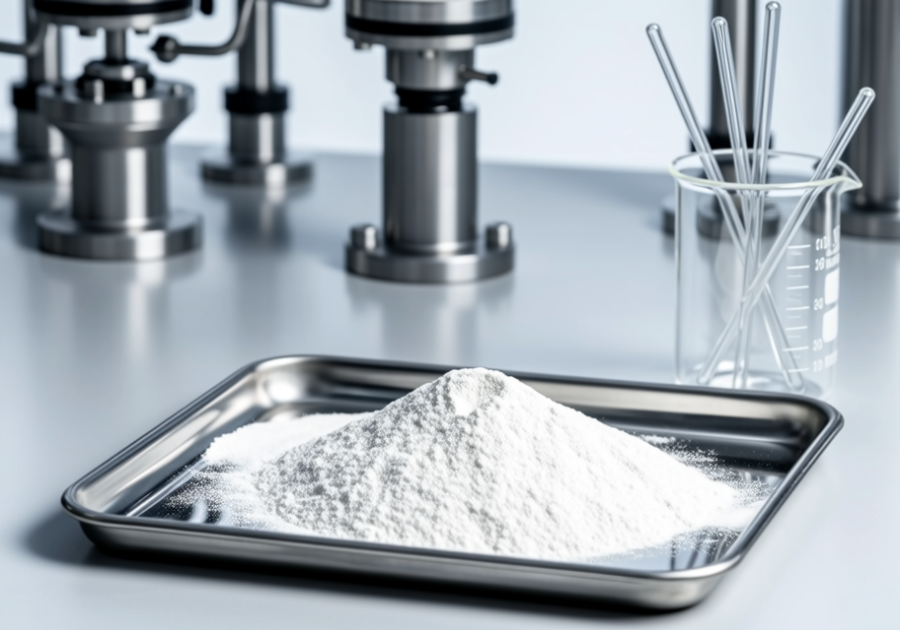
Sodium lauryl sulfate is a chemical substance that you may find in the ingredient list of shampoo, shower gel, toothpaste, or bubble bath. People prefer to add it to the shampoo mainly because of the foam it can produce. It is also chemically referred to as a "surfactant" and can be extracted from coconut oil. Would you like to know some secrets of sodium laureth sulfate in shampoo?
Secrets of foam in shampoo
People like to rub out rich foam when washing their hair, especially children have a crazy love for foam. So where do these foam come from? Firstly, you should know that almost all shampoos and shower gels do not foam because of chemical reactions. In fact, they foam because of physical changes.
The main reason is the surfactant, such as sodium laureth sulfate in shampoo’s formula. This substance has both hydrophobic and hydrophilic functional groups. When the bath gel or shampoo contacts the oil of the skin or hair, the hydrophobic end repels water molecules and is lipophilic to oil. It will wrap the air in it and form numerous tiny foams. These foam will take away oil and some dirt, and be effective in cleaning skin or hair.
Benefits of sodium laureth sulfate
Below are the benefits of sodium laureth sulfate in shampoo and other products.
1.Foaming and cleanliness: It can produce rich foam, which can help disperse and remove the oil and dirt on the scalp and hair during shampoo, and improve the cleaning effect, and keep the hair fresh and silky.
2.Anti-dandruff effect: It can help to reduce the generation of dandruff and improve the scalp environment through its cleaning performance. What’s more, it can effectively seal hair scales, protect hair from damage and static interference.
3.Moisturizing: It can also be used as a moisturizer and softener in shampoo. Many shampoos use this substance to increase the glossiness and smoothness of hair while providing long-lasting moisturizing effects.
4.Anti-corrosion and sterilization. It can also serve as a preservative and bactericide. This ingredient in shampoo can effectively prevent the growth of bacteria and fungi, and protect scalp health. Meanwhile, it can also serve as a preservative to extend the shelf life of shampoo.
5.Permeability: It has good permeability and can quickly penetrate the surface of stains. Besides, it can break the adhesion between stains and material surfaces, making the stains easy to wash away with water.
4.Dispersion effect: It can evenly disperse small particles of stains in water, preventing them from adhering to the surface of objects again, achieving a cleaning effect.
5.Solubilization effect: It can form micelle structures with insoluble substances, making them soluble in water. Therefore, it can enhance the solubility of cleaning agents.
6.Increase viscosity: It can increase the viscosity and adhesion of the cleaning agent, allowing it to stay on the surface of the object for a longer time and improve the cleaning effect.
7. Anti-static effect: It has good anti-static performance, which can reduce the generation of static electricity on the surface of objects, and reduce the adhesion of dust and stains.
How to choose shampoo containing sodium laureth sulfate?
You can find a substance called sodium laureth sulfate in shampoo because of its amazing performance in cleaning, hair care, moisturizing, etc. You can choose this type of shampoo to improve the quality of your hair. However, there are different concentrations of sodium laureth sulfate in different shampoos. How to choose the suitable one? Below are some tips for you.
For people with oily hair, it’s better to choose high concentrations of sodium laureth sulfate, it can improve the cleaning effect. For people with dry hair, it’s better to choose low concentrations to avoid excessive cleaning and damage to the hair. Besides, it’s better to avoid using shampoo containing irritating ingredients to prevent allergic reactions to the scalp.
Precautions of sodium laureth sulfate
Are there any side effects of sodium laureth sulfate in shampoo? The appropriate use of sodium laureth sulfate is generally not harmful to the human body. If it is used for a long time, it may lead to a decrease in the secretion of oil on the skin surface, causing the epidermis to lose oil protection and gradually dry out. It will disrupt the barrier protection ability and make the skin more sensitive. What’s more, the skin may also absorb this substance and it will cause circulatory disorders and affect physical health. Therefore, long-term use is not recommended.
Conclusion
This article mainly talks about some knowledge of sodium laureth sulfate in shampoo. Now you must have known the reason why it is preferred in the shampoo and other products. And don’t forget the tips for choosing a suitable shampoo!
Looking for chemical products? Let suppliers reach out to you!
You May Interested In


Glow70/KLOW80 99% China Peptides Warehouse Direct Delivery Lyophilized Powder in Stock
$169/UNIT FOB


2026-10-14
Trade Alert
Delivering the latest product trends and industry news straight to your inbox.
(We'll never share your email address with a third-party.)

Related News
-
Hydrogen Peroxide Formula: H2O2 Concentration & Safety
-
Key Reactions of Cobalt Chloride
-
Imidazole: Heterocyclic Chemistry, Antifungal Drugs, and Buffer Systems
-
Chemical Properties and Applications of Cyclopropen
-
L-Alanine: Amino Acid Profile, Sports Nutrition, and Metabolic Role
-
Potassium Nitrate Reactions & Uses (KNO3)
-
ADAMA Targets Sucking Pests with Ateka
-
EFSA Reviews Clodinafop Risk
-
India Unleashes a Triple-Action Defender: Parijat Introduces NILANIX SC into the Rice Battlefront
-
France’s Vineyards Find a New Shield: Eden’s Mevalone Enters the Frontline of a Changing Fungicide Era
Recommend Reading
-
![Lanolin: Benefits for Skin, Cosmetic Uses, and Allergy Risks]()
Lanolin: Benefits for Skin, Cosmetic Uses, and Allergy Risks
-
![Paraffin Wax vs. Beeswax: Candles, Cosmetics, and Industrial Applications]()
Paraffin Wax vs. Beeswax: Candles, Cosmetics, and Industrial Applications
-
![What is Trametenolic Acid? (Structure, Sources & Research)]()
What is Trametenolic Acid? (Structure, Sources & Research)
-
![Sulfuric Acid (H2SO4): Properties, Battery Uses, and Extreme Safety Hazards]()
Sulfuric Acid (H2SO4): Properties, Battery Uses, and Extreme Safety Hazards
-
![Sodium Hydroxide (Caustic Soda): Soap Making, Cleaning, and pH Control Guide]()
Sodium Hydroxide (Caustic Soda): Soap Making, Cleaning, and pH Control Guide
-
![Polyethylene Has Risen Strongly Since January]()
Polyethylene Has Risen Strongly Since January
-
![Business Society’s Market Outlook for Heavy-Weight Pure Soda Ash on September 1, 2026: Volatile]()
Business Society’s Market Outlook for Heavy-Weight Pure Soda Ash on September 1, 2026: Volatile
-
![August Petrochemical Coke Market Trends: First Rise, Then Fall]()
August Petrochemical Coke Market Trends: First Rise, Then Fall
-
![Fundamentals of Supply and Demand Weaken, August Phenol Market Trends Downward in China]()
Fundamentals of Supply and Demand Weaken, August Phenol Market Trends Downward in China
-
![This Week, the Coke Market in China Remains Stable]()
This Week, the Coke Market in China Remains Stable