FDA: Talc Cosmetics Will Mandate Asbestos Testing
On December 26, the U.S. Food and Drug Administration (FDA) released a statement recommending mandatory asbestos testing for cosmetics containing talc and proposed rules for testing and identifying asbestos in talc-containing cosmetics. Once implemented, this rule will require manufacturers to use specific testing methods to ensure their products are free from asbestos.
The FDA noted that this move aims to protect consumers from potential harm posed by asbestos, a known carcinogen. Previously, Johnson & Johnson reached a $700 million settlement with several U.S. states due to asbestos found in their talcum powder, with the company spending over $5 billion on similar cases in the past decade.
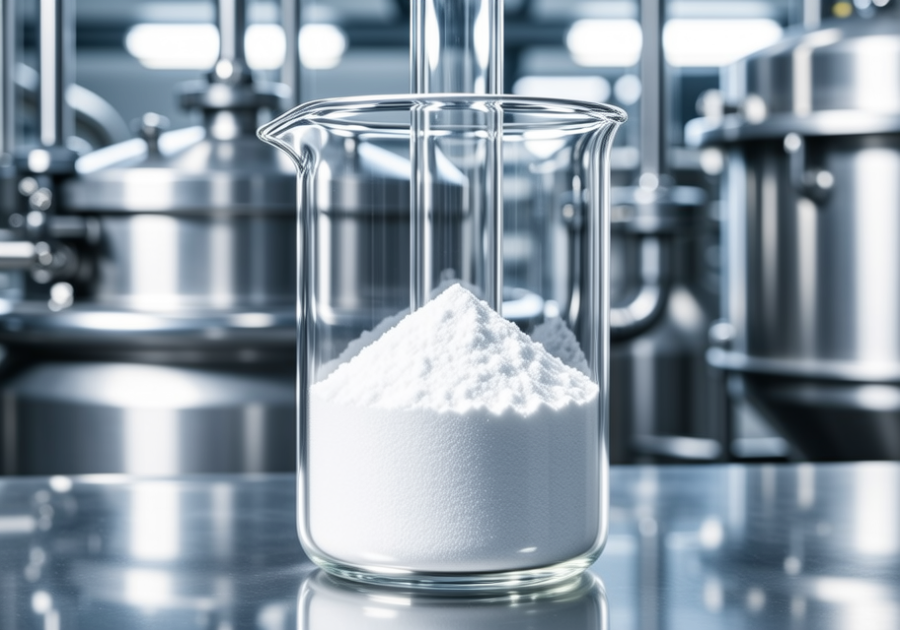
Talc is a natural mineral widely used in cosmetics and personal care products for purposes such as moisture absorption, preventing clumping, providing opacity to cosmetics, and improving product texture. However, since talc and asbestos can coexist in the same rock types and may contaminate each other during mining, testing for asbestos in cosmetics is crucial.
The 2022 Cosmetic Regulatory Modernization Act requires the FDA to establish standardized testing methods for detecting and identifying asbestos in talc-containing cosmetics. Linda Katz, Director of the FDA’s Office of Cosmetics and Colors, stated that the FDA has long been sampling and testing talc-containing cosmetics for asbestos and collaborating with federal partners to reduce consumer exposure to asbestos risks. After considering scientific evidence and complex policy issues related to testing and identifying talc and asbestos in talc-containing cosmetics, the FDA believes the proposed testing techniques are appropriate for detecting asbestos and will help ensure the safety of talc-containing cosmetics.
The FDA proposed requiring manufacturers to use methods such as polarized light microscopy (PLM) and transmission electron microscopy/energy dispersive X-ray spectroscopy/selective area electron diffraction (TEM/EDS/SAED) for asbestos testing. The proposed rule mandates manufacturers to test representative samples from each batch of talc-containing cosmetics or representative samples from each batch of talc ingredients used in cosmetics. Moreover, if manufacturers can establish and maintain the reliability of supplier analytical certificates through validation testing and determine the qualifications of suppliers, they may rely on the supplier's analytical certificate for talc.
If manufacturers fail to comply with the testing or record-keeping requirements in the rule, their talc-containing cosmetics will be considered adulterated under Section 601(c) of the Federal Food, Drug, and Cosmetic Act. Additionally, if the cosmetics contain asbestos, or if the talc used in cosmetics contains asbestos, the cosmetics will be deemed adulterated under Section 601(a) of the Federal Food, Drug, and Cosmetic Act. Similarly, if the talc used in cosmetics contains asbestos, that talc will also be considered adulterated under Section 601(a) of the Federal Food, Drug, and Cosmetic Act.
The implementation of the proposed rule will help protect consumers to some extent and reduce the chances of asbestos exposure, thereby lowering the risk of asbestos-related diseases. The FDA stated that there will be a 90-day public comment period before the implementation of the proposed mandatory asbestos testing regulations.

You May Interested In


Glow70/KLOW80 99% China Peptides Warehouse Direct Delivery Lyophilized Powder in Stock
$169/UNIT FOB


2026-10-12
Trade Alert
Delivering the latest product trends and industry news straight to your inbox.
(We'll never share your email address with a third-party.)

Related News
-
FDA Pushes New Approach to “No Artificial Colors” Claims
-
GM Crop Area Reaches 216 Million Hectares
-
FDA Delays Beetroot Red and Spirulina Color Orders
-
GM Crop Area Reaches 216 Million Hectares
-
FDA approves bemotrizinol, a long-used UV filter, for U.S. sunscreens
-
FDA Slams Door on Chinese Food Exports: Inspection Refusals Trigger Automatic Detentions
-
U.S. Formally Publishes India PFA Trade Cases, Raising New Barriers for Fluoropolymer Supply
-
China’s New Food-Contact Standards Take Effect, Resetting Compliance for Coatings and Silicone Rubber
-
Colombia Makes Preliminary Ruling in Anti-Dumping Investigation into Chinese DOP Imports
-
Sudden Turmoil in Middle East Shipping Routes: Multiple Carriers Announce Emergency Navigation and Surcharge Policies
Recommend Reading
-
![India’s Tariff Cuts Could Lower Agrochemical Costs]()
India’s Tariff Cuts Could Lower Agrochemical Costs
-
![FDA Tightens the Solvent Side of Natural Color Production]()
FDA Tightens the Solvent Side of Natural Color Production
-
![FSANZ Moves Toward Approval of Insect-Resistant Corn COR121]()
FSANZ Moves Toward Approval of Insect-Resistant Corn COR121
-
![Thymol Gel Wins EPA Approval for Beekeepers]()
Thymol Gel Wins EPA Approval for Beekeepers
-
![EU Set to Seek Import Quotas on PET, Epoxy Resins and Fibreglass as Trade Curbs Reach Chemicals]()
EU Set to Seek Import Quotas on PET, Epoxy Resins and Fibreglass as Trade Curbs Reach Chemicals
-
![Business Society September 28, 2026 Adipic Acid Trend Analysis: Clear Decline]()
Business Society September 28, 2026 Adipic Acid Trend Analysis: Clear Decline
-
![Uses of Sodium Citrate Dihydrate in Food Industry]()
Uses of Sodium Citrate Dihydrate in Food Industry
-
![September Favorable Factors Drive Shandong Cyclohexanone Market to Rise]()
September Favorable Factors Drive Shandong Cyclohexanone Market to Rise
-
![Supply and Demand Dynamics Continue, Formic Acid Prices Rise]()
Supply and Demand Dynamics Continue, Formic Acid Prices Rise
-
![Business Society September 28, 2026 Phthalic Anhydride Trend Analysis: Weakly Bearish]()
Business Society September 28, 2026 Phthalic Anhydride Trend Analysis: Weakly Bearish