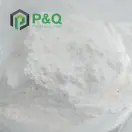
Name | Atogepant |
CAS number | 1374248-81-3 |
Description | Atogepant is a potent, orally administered, small molecule calcitonin gene-related peptide (CGRP) receptor antagonist, specifically developed for the preventive treatment of migraine. |
Structural formula | |
Molecular Formula | C29H23F6N5O3 |
Molecular Weight | 603.52 g/mol |
Appearance | White powder |
Quality Standard | 99% |
Storage Condition | Cool dry place( away from the light) |
Shelf Life | >2 years if stored properly |
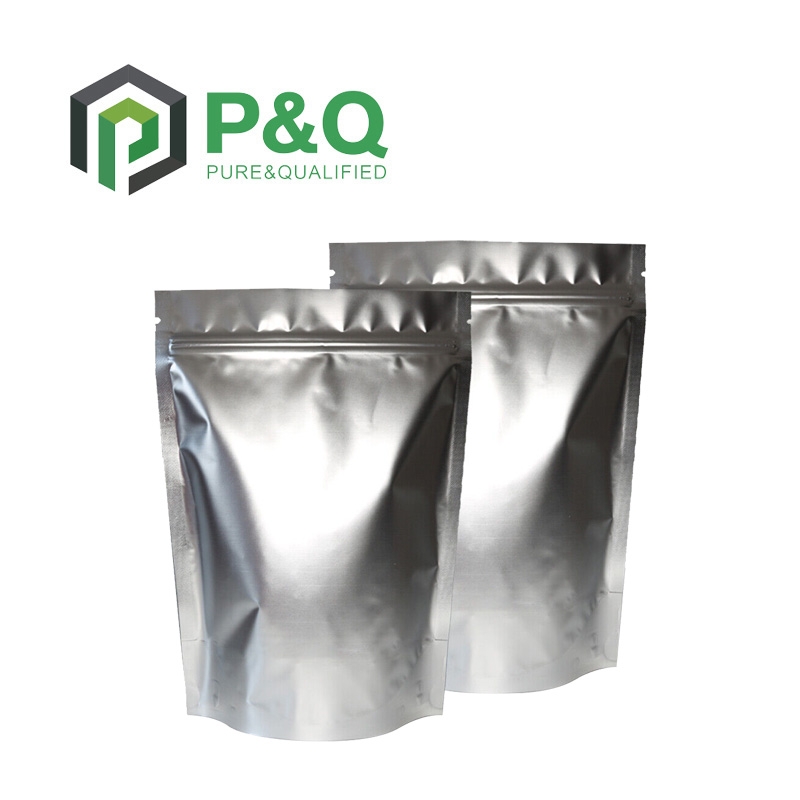
Sample package | Aluminium foil bag |
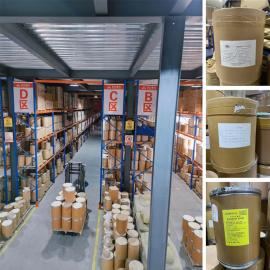
Commercial package | Aluminium Tin, Fiber drum |
Origin | China |
Atogepant is a potent, orally administered, small molecule calcitonin gene-related peptide (CGRP) receptor antagonist, specifically developed for the preventive treatment of migraine. Its development was a direct result of advanced research into the neurobiology of migraine, which identified the CGRP pathway as a critical mediator in the initiation and propagation of migraine attacks. Unlike earlier preventive treatments that were repurposed from other indications (such as cardiovascular or antidepressant drugs), atogepant was designed from the outset to target the migraine pathway specifically. This mechanism offers a more targeted approach to migraine prevention, representing a significant shift in therapeutic strategy. The compound is a synthetic molecule with a defined molecular weight and structure, meeting the high purity standards required for pharmaceutical use.
Uses and Applications
The sole and primary application of atogepant is in the field of neurology as a prophylactic (preventive) medication for episodic and chronic migraine in adults. It is not intended for the acute treatment of a migraine attack that has already started. By competitively blocking the CGRP receptors, it inhibits the biological activity of the CGRP neuropeptide, which is believed to play a pivotal role in causing the pain and associated symptoms of migraine. Its oral dosage form (tablet) allows for convenient once-daily administration, which can improve patient compliance compared to injectable or infusion-based therapies. Clinical trials have demonstrated its efficacy in significantly reducing the number of migraine days per month for a substantial proportion of patients.
Application Markets
Atogepant occupies a position in the highly specialized and valuable global market for migraine therapeutics, particularly within the preventive segment. This market has experienced considerable growth and innovation with the introduction of CGRP-targeted therapies. Its primary competitors are other CGRP monoclonal antibodies (injectables) and small molecule gepants. The target audience includes neurologists, headache specialists, and general practitioners who manage patients with debilitating migraine that requires preventive intervention. The market is predominantly concentrated in North America, Europe, and other developed regions with advanced healthcare systems, though its reach is expanding. As a branded prescription drug, its distribution is tightly controlled through pharmaceutical channels and pharmacy networks.
Handling and Regulatory Considerations
Atogepant is an active pharmaceutical ingredient (API) and must be handled exclusively by trained personnel in accordance with Good Manufacturing Practice (GMP) and laboratory safety protocols. As a fine powder, engineering controls should be used to prevent inhalation and minimize dust generation. Personal protective equipment, including gloves and safety glasses, is mandatory to avoid potential skin contact or accidental ingestion. It is strictly for use in the formulated drug product and is not for consumer or direct patient handling in its raw form. The final formulated drug product is available only by prescription and carries specific warnings and precautions, including the potential for hypersensitivity reactions and interactions with other medications, particularly strong CYP3A4 inhibitors. All handling and dispensing must adhere to the regulations set forth by health authorities like the FDA or EMA.