Name | Ilaprazole |
CAS number | 172152-36-2 |
Description | Ilaprazole, also known as IY81149 is an Anti-ulcer agent. Ilaprazole is a proton pump inhibitor (PPI) used in the treatment of dyspepsia, peptic ulcer disease (PUD), gastroesophageal reflux disease (GORD/GERD) and duodenal ulcer. Clinical studies show that ilaprazole is at least as potent a PPI as omeprazole when taken in equivalent doses. Studies also showed that ilaprazole significantly prevented the development of reflux oesophagitis. |
Related CAS # | / |
Synonym | Ilaprazole; IY81149; IY-81149; IY 81149; trade name Noltec. |
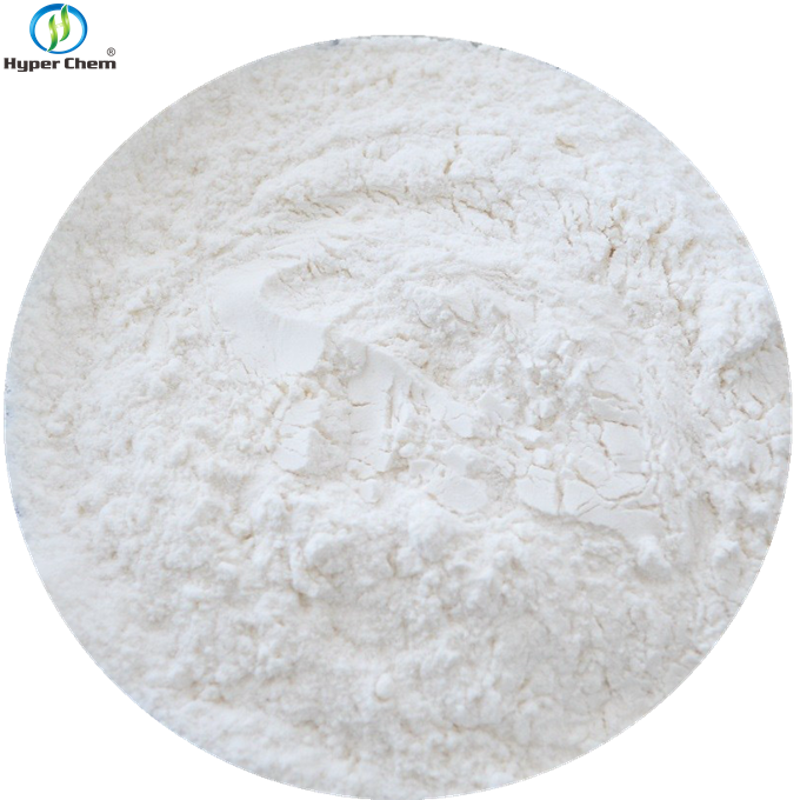
Appearance | Solid powder |
Quality Standard | USP, EP, BP, CP |
Shipping Condition | Shipped under ambient temperature as non-hazardous chemical. This product is stable enough for a few weeks during ordinary shipping and time spent in Customs. |
Storage Condition | Dry, dark and at 0 - 4 ℃ for short term (days to weeks) or -20 ℃ for long term (months to years). |
Shelf Life | >2 years if stored properly |
Sample package | Aluminium foil bag |
Commercial package | Aluminium Tin, Fiber drum |
Origin | China |
Ilaprazole More Info
Product Overview
Ilaprazole is a proton pump inhibitor (PPI) belonging to the substituted benzimidazole class of compounds. It is an H+/K+-ATPase inhibitor designed for the treatment of gastric ulcers and other acid-related gastrointestinal disorders. The drug is manufactured by Livzon Pharmaceutical Group and marketed under the trade name Yilian.
Chemical Information
Chemical Name: [(4-methoxy-3-methyl-pyridin-2-yl)methylsulfinyl]-6-pyrrol-1-yl-1H-benzimidazole
CAS Number: 176779-95-8
Molecular Formula: C18H18N4O3S
Molecular Weight: 358.42 g/mol
Ilaprazole is a proton pump inhibitor characterized by its sulfide-substituted benzimidazole structure, which provides potent acid-suppressing activity.
Therapeutic Uses
Ilaprazole is indicated for the treatment of the following conditions:
Gastroesophageal reflux disease (GERD)
Healing and prevention of peptic ulcers
Zollinger-Ellison syndrome
Stress ulcer bleeding prevention in critically ill patients
Mechanism of Action
Ilaprazole functions as a specific inhibitor of the H+/K+-ATPase enzyme system located in the parietal cells of the stomach. By blocking the final step of acid production, the medication effectively reduces gastric acid secretion, promoting the healing of ulcers and preventing acid reflux symptoms.
Key Features
Ilaprazole is known for its long-lasting effect compared to other proton pump inhibitors. Clinical studies have demonstrated that the drug exhibits higher acid suppression efficacy and provides long-term therapeutic benefits with fewer adverse reactions. The compound shows high specificity for the gastric proton pump, resulting in minimal off-target effects.
Pharmacokinetics
After oral administration, Ilaprazole is rapidly absorbed with Cmax and AUC values increasing proportionally with dose. The pharmacokinetics comply with linear dynamic characteristics across dose ranges. No unchanged drug was detected in the urine of subjects.
After multiple dosing at 10 mg daily for consecutive days, pharmacokinetic parameters showed no significant change compared to single-dose administration, indicating no drug accumulation in vivo. Plasma concentration reaches steady state after oral administration for more than 4 consecutive days.
Food intake delays the Tmax of plasma concentration but has minimal effect on other pharmacokinetic parameters. The drug is primarily metabolized with Ilaprazole sulfone identified as the major metabolite. A newer metabolite, Ilaprazole thiol ether, has also been identified in recent studies.
Dosage Forms and Administration
Ilaprazole is available in various pharmaceutical dosage forms including oral tablets, capsules, granules, and suppositories. The most common dosage form is the enteric-coated tablet, which is administered orally to patients.
Available strength options include 5 mg, 10 mg, and 20 mg tablets based on the drug substance content. Tablets are taken orally once daily before meals for optimal absorption.
Manufacturing and Regulatory Status
Ilaprazole was developed by HYang Pharmacy Co based in Seoul, Korea. The compound has received approval in multiple markets including China where it is manufactured by Livzon Pharmaceutical Group.
Ilaprazole is classified as a Category 1.1 new patent drug in China and won the national second prize for scientific and technological progress in 2015. The drug has been included in the reimbursement list of 12 provinces and is expected to be included in the revised National Drug Reimbursement List.
Patents for Ilaprazole compounds and enteric-coated tablets have expired in certain regions, while microtablet patent authorization extends until 2040. In June 2022, an Ilaprazole enteric-coated tablet was designated as a reference preparation, initiating competition in the generic drug market.
Clinical Performance
Clinical evaluations have confirmed Ilaprazole as a potent and safe antiulcer agent through a series of animal studies. The drug demonstrates superior efficacy compared to other PPIs including omeprazole, pantoprazole, rabeprazole, and lansoprazole in the domestic generic drug market.
Due to the large patient population with acid-related disorders, domestic pharmaceutical companies are actively entering the Ilaprazole market. The expanded scope of reimbursement is expected to significantly boost market adoption.
Safety Profile
Ilaprazole exhibits a favorable safety profile with fewer adverse reactions compared to traditional proton pump inhibitors. The high specificity for gastric H+/K+-ATPase minimizes systemic effects. As with all PPIs, patients should be monitored for potential long-term adverse effects associated with chronic acid suppression therapy.
Storage and Handling
Enteric-coated tablets should be stored in a cool, dry place away from direct sunlight and moisture to maintain drug stability and efficacy. Proper packaging protects the enteric coating from degradation.
Conclusion
Ilaprazole represents an effective therapeutic option for managing acid-related gastrointestinal disorders. Its long-lasting acid suppression, favorable safety profile, and convenient once-daily dosing make it a valuable choice in the treatment of GERD, peptic ulcers, and other conditions requiring gastric acid reduction.