




Active Pharmaceutical Ingredients
- • Respiratory Drugs (114)
- • Hormones and the Endocrine System (279)
- • Antipyretic Analgesics (171)
- • Antiallergic Drugs (103)
- • Antiparasitic Drugs (130)
- • Antibiotics (545)
- • Antineoplastic Agents (294)
- • Anesthetic Agents (79)
- • Urinary System Drugs (52)
- • Other Chemical Drugs (947)
- • Synthetic Anti-infective Drugs (599)
- • Nervous System Drugs (349)
- • Fluid, Electrolyte, and Acid-base Balance (48)
- • Vitamins and Minerals Medicines (106)
- • Digestive System Drugs (197)
- • Blood System Drugs (85)
- • Circulatory System Drugs (426)
- • Diagnostic Agents (58)
- • Specialty Drugs (107)
- • Drug Metabolism (23)
- • Feed Additive (22)
- • Anti-stress Drugs (1)
- • Drugs Influencing Immune Function (14)
- • Veterinary Raw Materials (24)
- • Inhibitor Drugs (82)
Related News
-
At the API China 2024 Spectacle: A Grand Recap!
2024-10-18 -
The 89th API China & The 27th CHINA-PHARM Exhibition Opened
2024-06-05 -
Overview of China's API industry in 2023
2023-02-01 -
Global Analysis of Active Pharmaceutical Ingredient (API)
2023-01-28 -
Professional and technical dry goods: a brief discussion on the selection of starting materials for chemical synthesis APIs
2022-11-18 -
In 2021, India's Ibuprofen API Export Volume and Price will Fall
2022-06-20


Anesthetics Agents APIs
Anesthetic Agents
Proparacaine hydrochloride
(5875-06-9)-

Pharmaceutical Grade / 102%
-

Pharmaceutical Grade / 99%
-

Pharmaceutical Grade / 99%
-

Pharmaceutical Grade / 99%



Request for quotation , get quotes from more suppliers.
-

Pharmaceutical Grade / -
-

Pharmaceutical Grade / 99%
$85-90/G FOB
-

Pharmaceutical Grade / 98%
-

Industrial Grade ,Pharma Grade / 99%



Request for quotation , get quotes from more suppliers.
Ropivacaine mesylate
(854056-07-8)-

Industrial Grade,Pharma Grade / 99%
-

Industrial Grade / pharmaceutical grade / 99%
-

Industrial Grade / 99%
-


Request for quotation , get quotes from more suppliers.
Metaxalone
(1665-48-1)-

Pharmaceutical Grade / 99%
-

Industrial Grade / pharmaceutical grade / 99%
$1/MT EXW
-

-

- / 99.00%


Request for quotation , get quotes from more suppliers.
Thiocolchicoside
(602-41-5)-

pharmaceutical grade / 99%
$1/KG EXW
-

Industrial Grade / pharmaceutical grade / 99%
-

Chemical Grade / 99%
$1/G FOB
-

- / 99.00%


Request for quotation , get quotes from more suppliers.
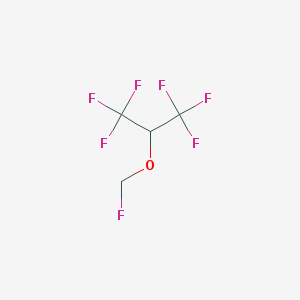
Sevoflurane
(28523-86-6)-

Pharmaceutical Grade / 99%
-

Industrial Grade, Feed Grade, Food Grade, Pharma Grade / 99%
-

Industrial Grade ,Pharma Grade / 99%
-

pharmaceutical grade / 99%
$1/KG EXW


Request for quotation , get quotes from more suppliers.
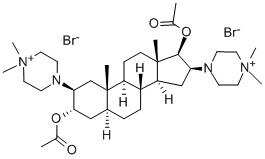
Pipecuronium bromide
(52212-02-9)-

-

Food grade / 99%
-

-

industrial Grade / 98%


Request for quotation , get quotes from more suppliers.
Eperisone
(64840-90-0)-

Industrial Grade / 99%
-
-2-methyl-3-piperidin-1-ylpropan-1-one")
-

-

Industrial Grade / 99%


Request for quotation , get quotes from more suppliers.
Afloqualone
(56287-74-2)-

Pharmaceutical Grade / 99%
-

Pharmaceutical Grade / 99%
-

Pharmaceutical Grade / 99%
-

Pharmaceutical Grade / 99%

Request for quotation , get quotes from more suppliers.
Eperisone hydrochloride
(56839-43-1)-

Pharmaceutical Grade / -
-

Pharmaceutical Grade / 99%
-

Industrial Grade / pharmaceutical grade / 99%
-


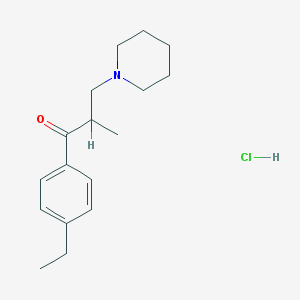
Request for quotation , get quotes from more suppliers.
Source Anesthetic Agents Raw Materials by Region


Frequently Asked Questions
Anesthetic agents are pharmacological substances used to induce a temporary loss of sensation or consciousness during medical procedures. They work by interfering with nerve signal transmission in the central or peripheral nervous system. General anesthetics cause unconsciousness and affect the entire body, while local or regional anesthetics block pain in specific areas without affecting awareness. These agents are essential for pain management in surgeries, dental procedures, and diagnostic interventions.
The most commonly used anesthetic agents fall into two main categories: general and local anesthetics. General anesthetics include inhalational agents like sevoflurane and isoflurane, and intravenous agents such as propofol and ketamine. Local anesthetics include lidocaine, bupivacaine, and ropivacaine, which are used for nerve blocks, epidurals, or topical applications. The choice depends on the procedure type, duration, patient health, and required depth of anesthesia.
When sourcing anesthetic agents, healthcare providers should evaluate supplier reliability, regulatory compliance (e.g., FDA, EMA, or WHO prequalification), batch-to-batch consistency, and proper documentation such as Certificates of Analysis (CoA). It’s also important to verify cold chain logistics for temperature-sensitive agents, packaging integrity, and availability of technical support. Choosing a certified and experienced supplier minimizes risks related to efficacy, safety, and regulatory audits.
Yes, while anesthetic agents are generally safe when administered by trained professionals, they carry potential risks such as respiratory depression, allergic reactions, cardiovascular effects, or postoperative nausea. Inhalational agents may pose environmental exposure risks in operating rooms if scavenging systems are inadequate. Proper patient monitoring, accurate dosing, and adherence to clinical guidelines significantly reduce these risks. Always use anesthetic agents under controlled medical supervision and according to approved protocols.