




Cosmetic Ingredient
Get Cosmetic Ingredient Raw Materials by RegionCosmetic Ingredient
- • Abrasive (124)
- • Absorbent (84)
- • Anticaking (66)
- • Anticorrosive (25)
- • Antifoaming (19)
- • Antimicrobials (291)
- • Antioxidant Ingredient (393)
- • Antiperspirant (20)
- • Antiplaque (48)
- • Anti-seborrheic (38)
- • Anti-sebum (38)
- • Antistatic (457)
- • Astringent (162)
- • Binding Agent (171)
- • Bleaching Agent (53)
- • Buffering (190)
- • Bulking (109)
- • Chelating (122)
- • Cleansing (680)
- • Cosmetic Colorant (212)
- • Cosmetic Preservative (158)
- • Denaturant (45)
- • Deodorant (98)
- • Depilatory (27)
- • Dissolving Agent (297)
- • Emollient (795)
- • Emulsifying Agent (481)
- • Emulsion Stabilising (153)
- • Exfoliating (19)
- • Film Forming (299)
- • Flavouring (72)
- • Foam Boosting (161)
- • Foaming (101)
- • Fragrance Ingredient (732)
- • Gel Forming (19)
- • Hair Conditioning (672)
- • Hair Dyeing (363)
- • Hair Fixing (36)
- • Hair Waving or Straightening (45)
- • Humectant (281)
- • Hydrotrope (92)
- • Keratolytic (20)
- • Light Stabilizer (77)
- • Moisturising Agent (50)
- • Nail Conditioning (42)
- • Occlusive (20)
- • Opacifying (119)
- • Oral Care (123)
- • Oxidising (19)
- • Perfuming (2106)
- • Plasticiser (98)
- • Propellant (19)
- • Reducing (51)
- • Refatting (12)
- • Refreshing (27)
- • Skin Cleansing (387)
- • Skin Conditioning (1747)
- • Skin Humectant (21)
- • Skin Protecting (281)
- • Smoothing (32)
- • Soothing (72)
- • Tonics (155)
- • UV Filter (33)
- • Viscosity Controlling (530)
Chemicals as Skincare Ingredients
Related News
-
Wanhua's BorsodChem Restarts 650,000 T/Y of MDI and TDI Capacity in Europe
2026-08-26 -
Major Fire Hits China-Russia Joint 2.7 Million T/Y Polyolefins Project, Killing 6 Chinese Nationals and Injuring 152 People
2026-08-26 -
Korea’s First Petrochemical Restructuring Approved, LDPE Market Concentration Surges to 82%
2026-08-25 -
Hormuz Traffic Remains 90% Below Pre-Conflict Levels as Limited Tanker Access Offers Partial Relief
2026-08-25 -
South Korea Tests Arctic Commercial Route as Asian Exporters Seek New Logistics Alternatives
2026-08-25 -
Oil-Coal Price Gap Widens! Coal Chemical Enterprises See Significant Profit Surge in H1 2026
2026-08-21


Related Products Price


Cosmetic Ingredient Featured Categories
Cosmetic Ingredient Suppliers
Potassium bicarbonate
CAS No: 298-14-6
Formula: CH2O3.K
Categories: Cosmetic Ingredient > Buffering
-

Potassium bicarbonate 98% liquid 298-14-6 Dideu
$1/KG FOB
Inquiry -

Potassium Bicarbonate White crystalline SNC | Good Fortune
Inquiry -

Potassium bicarbonate 98% white powder LKLX
Inquiry -

Potassium hydrogencarbonate
Inquiry


(-)-Linalool
CAS No: 126-91-0
Formula: C10H18O
Categories: Cosmetic Ingredient > Perfuming
-
-Linalool 99.9%")
(-)-Linalool 99.9%
Inquiry -

L-Linalool 99% see COA kanbei
Inquiry -
-Linalool (126-91-0) in BUlk")
Best quality most Professional (-)-Linalool (126-91-0) in BUlk
Inquiry -
-linalool")
(R)-linalool
Inquiry


Capsaicin
CAS No: 404-86-4
Formula: C18H27NO3
Categories: Cosmetic Ingredient > Skin Conditioning


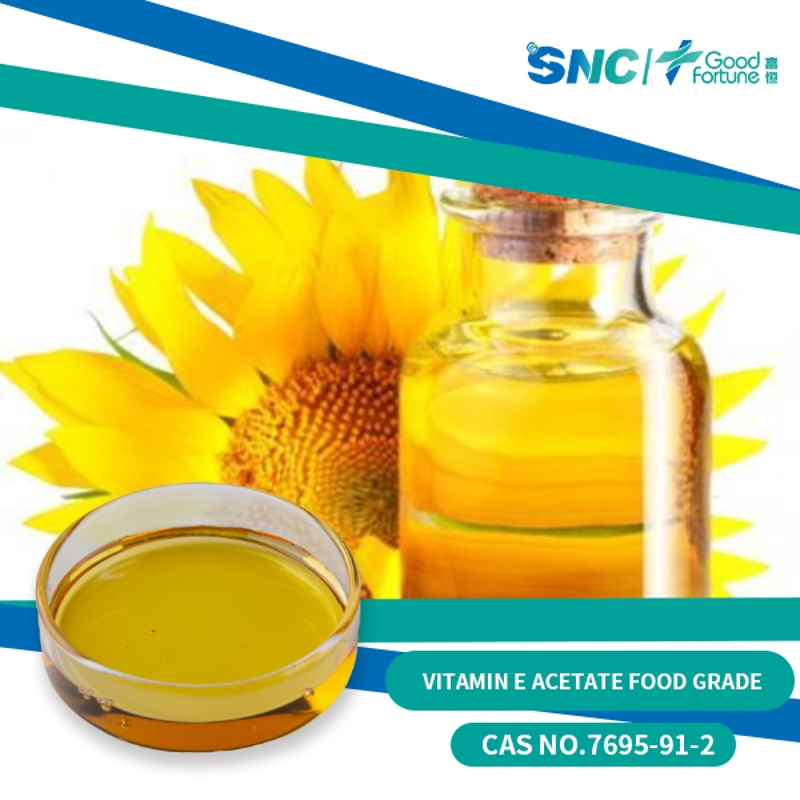
2H-1-Benzopyran-6-ol, 3,4-dihydro-2,5,7,8-tetramethyl-2-(4,8,12-trimethyltridecyl)-, 6-acetate
CAS No: 7695-91-2
Categories: Cosmetic Ingredient > Antioxidant Ingredient


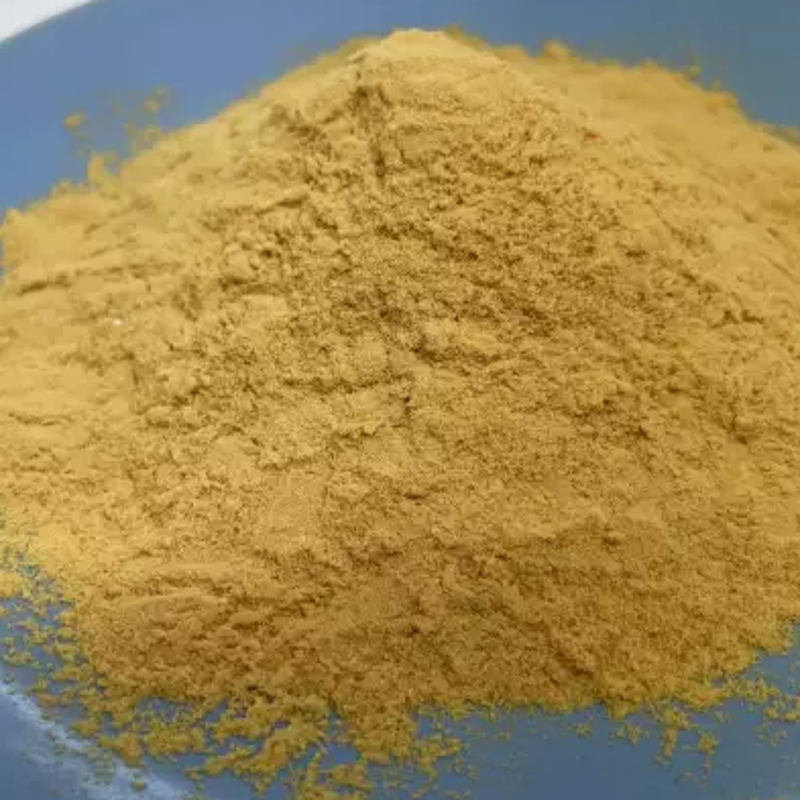
C.I. Pigment Yellow 42
CAS No: 51274-00-1
Categories: Cosmetic Ingredient > Cosmetic Colorant



1-Pentanol
CAS No: 71-41-0
Formula: C5H12O
Categories: Cosmetic Ingredient > Perfuming
Amyl alcohol has a characteristic fusel-like sweet and pleasant odor and burning taste. It is somewhat more toxic than ethyl alcohol. 1-Pentanol is a clear, colorless liquid at ambient temperatures.The air odor detection level (lowest perceptible level) was reported as 10 ppm for 1-pentanol .More
-

1-Pentanol 99% high purity certified Professional producer Greenbo
Inquiry -

High quality n-Pentanol CAS NO.71-41-0
Inquiry -

1-Pentanol 99% kanbei
Inquiry -

1-Pentanol
Inquiry

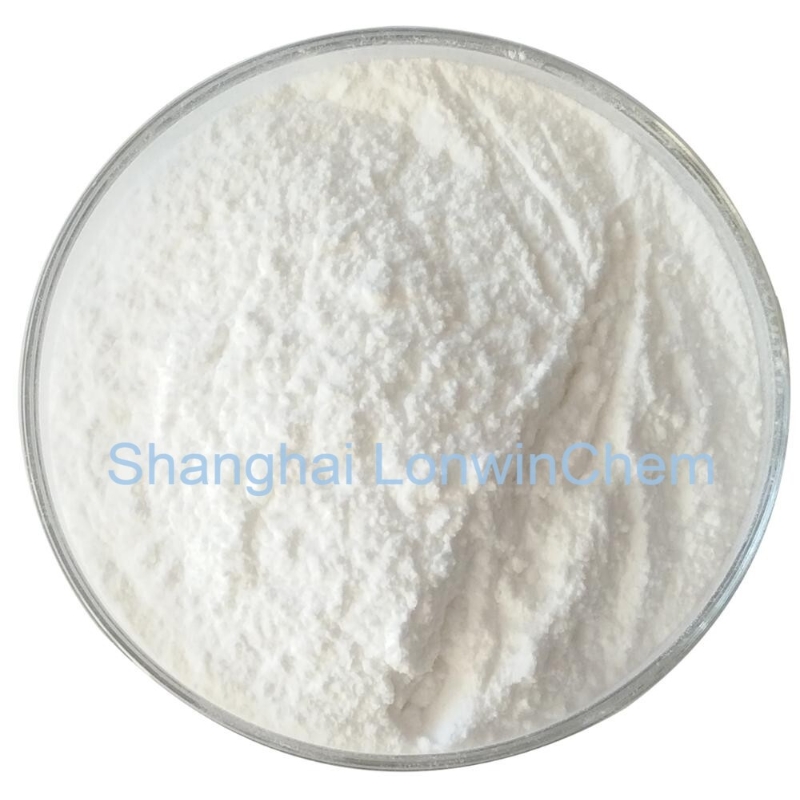


Gluconic acid
CAS No: 526-95-4
Formula: C6H12O7
Categories: Cosmetic Ingredient > Perfuming


L-Norvaline
CAS No: 6600-40-4
Formula: C5H11NO2
Categories: Cosmetic Ingredient > Antistatic
-

L-Norvaline 99% -s
Inquiry -

Get 99% pure L-Norvaline CAS 6600-40-4 for the best price
Inquiry -

Norvaline
Inquiry -

cas 6600-40-4 L-Norvaline
$10-12/KG FOB
Inquiry


Isosorbide
CAS No: 652-67-5
Formula: C6H10O4
Categories: Cosmetic Ingredient > Skin Conditioning
-

High Quality 99% Purity of Isosorbide CAS NO 652-67-5 ISO 9001:2005 REACH Verified Producer
Inquiry -

Isosorbide-652-67-5
Inquiry -

Isosorbide
Inquiry -

Isosorbide
Inquiry



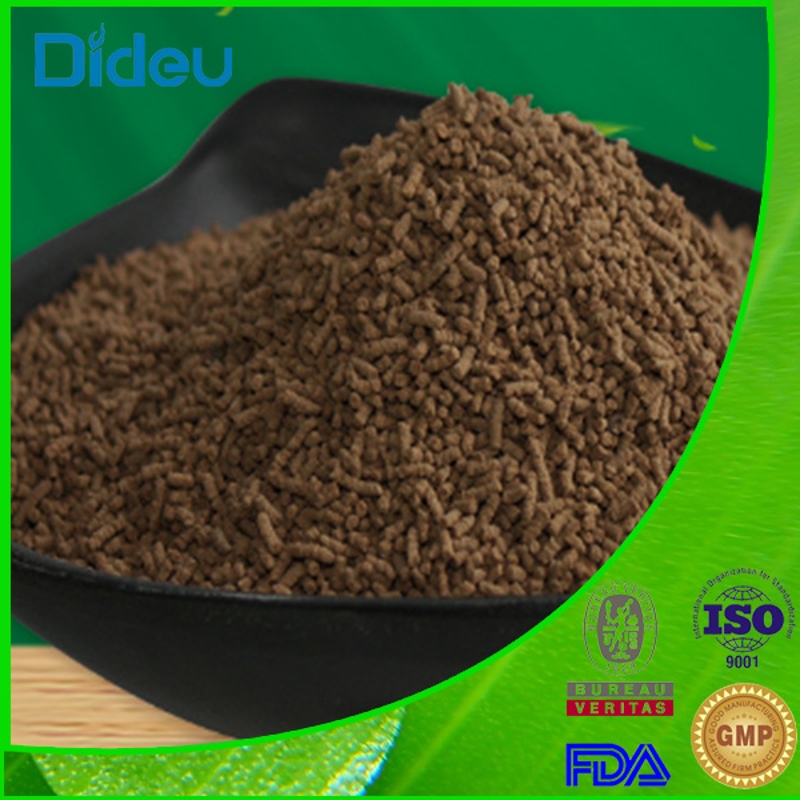
Ginkgo biloba extract
CAS No: 90045-36-6
Categories: Cosmetic Ingredient > Antioxidant Ingredient
Flavonoids in Ginkgo biloba has antioxidant activity, thus can be added as an antioxidant into fats and sweets. Total flavonoids are mostly yellow, and have a wide solubility spectrum including both water-solubility and lipid solubility, so it can play a role of coloring agent. People can process Ginkgo biloba into ultrafine powder and add into food. Grinding ginkgo leaf ultra-finely and adding to cakes, biscuits, noodles, candy, ice cream as 5% to 10% can More



308 Cosmetic Ingredient Suppliers
Short on time? Let Cosmetic Ingredient sellers contact you.
Malonic acid
CAS No: 141-82-2
Formula: C3H4O4
Categories: Cosmetic Ingredient > Buffering



DL-Serine
CAS No: 302-84-1
Formula: C3H7NO3
Categories: Cosmetic Ingredient > Antistatic

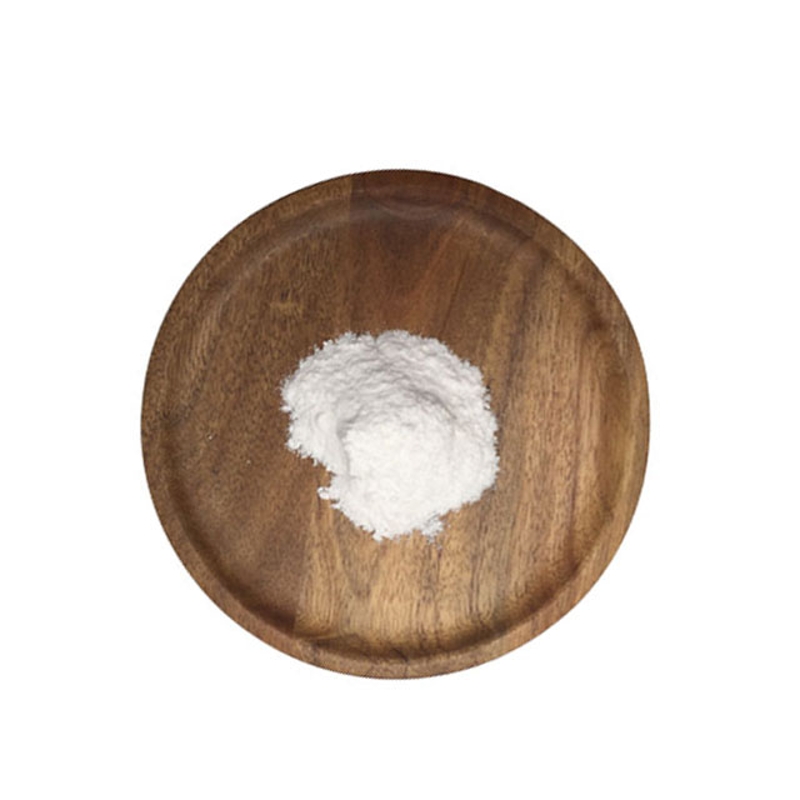

Diosmin
CAS No: 520-27-4
Formula: C28H32O15
Categories: Cosmetic Ingredient > Antioxidant Ingredient
-

Diosmin 200kg
Inquiry -

100% Safe customs clearance high quality Diosmin CAS 520-27-4 with Best Price Diosmin
Inquiry -

Diosmin520-27-4C28H32O15
$33-34/MT FOB
Inquiry -

Diosmin
Inquiry


Diethylene glycol lauryl ether sodium sulfate
CAS No: 3088-31-1
Formula: C16H34O6S.Na
Categories: Cosmetic Ingredient > Foaming



β-Cyclodextrin
CAS No: 7585-39-9
Formula: C42H70O35
Categories: Cosmetic Ingredient > Absorbent


Sodium silicate
CAS No: 1344-09-8
Formula:
Categories: Cosmetic Ingredient > Anticorrosive
-
 CAS 1344-09-8 High Purity")
Sodium Silicate Solid / Powder (Na2SiO3) CAS 1344-09-8 High Purity
$500-650/MT FOB
Inquiry -

High Quality Sodium silicate 99% powder 1344-09-8 -Shaanxi Dideu Medichem Co.Ltd
$1/KG FOB
Inquiry -

Sodium silicate 1344-09-8
Inquiry -

100% Safe customs clearance high quality Sodium silicate CAS 1344-09-8 with Best Price Sodium silicate
Inquiry


(±)-Linalool
CAS No: 78-70-6
Formula: C10H18O
Categories: Cosmetic Ingredient > Perfuming


Zeolites, synthetic
CAS No: 1318-02-1
Formula:
Categories: Cosmetic Ingredient > Anticaking
-

Zeolite 99% powder 1318-02-1 Dideu
$1/KG FOB
Inquiry -

Aluminosilicate Manufacturer/High quality/Best price/In stock
Inquiry -

Good Quality Zeolite CAS 1318-02-1 with Free Sample
Inquiry -

Aluminosilicate
Inquiry


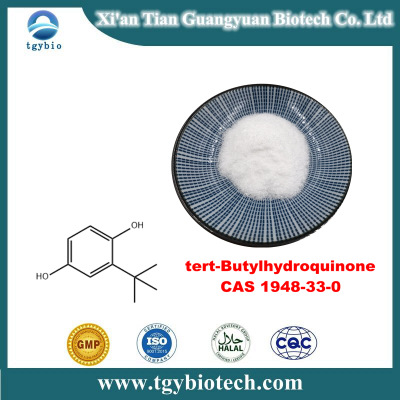
tert-Butylhydroquinone
CAS No: 1948-33-0
Formula: C10H14O2
Categories: Cosmetic Ingredient > Antioxidant Ingredient
-

Tert-Butylhydroquinone/TBHQ
Inquiry -

Product of Tertiary Butyl Hydroquinone TBHQ 99% CAS 1948-33-0
Inquiry -

Hot Selling High Quality Tertiary Butyl Hydroquinone 1948-33-0 with Best Price and Fast Delivery
Inquiry -

100% Safe customs clearance high quality tert-Butylhydroquinone CAS 1948-33-0 with Best Price tert-Butylhydroquinone
Inquiry

Isopropyl myristate
CAS No: 110-27-0
Formula: C17H34O2
Categories: Cosmetic Ingredient > Perfuming



New Arrivals
Most Popular
-

$49/UNIT FOB
-

High Quality NAD+ Research Compound for Experimental Laboratory Use
$49-59/UNIT FOB
-

$0.06/UNIT FOB
-

Essential Cellular Coenzyme for Energy Metabolism and Longevity Research
$49/UNIT FOB


-

Palmitoyl Tetrapeptide-20 reverses hair greying process Palmitoyl Tetrapeptide
$315-320/G EXW
-
 Powder CAS 113170-55-1 Skin Whitening")
Manufacturer Magnesium Ascorbyl Phosphate (map) Powder CAS 113170-55-1 Skin Whitening
-

8% Bis-Aminopropyl Diglycol Dimaleate manufacturer Olaplex core ingredient 1629579-82-3 Olaplex No.0
$11.5/KG EXW
-

Acetyl tetrapeptide-5/Eyeseryl CAS 827306-88-7 for Hair/Eyebrow/Eyelash Growth
$40-50/G FOB


People are searching
Frequently Asked Questions
Cosmetic ingredients can be sourced through online B2B platforms, manufacturers, and specialized distributors. On ECHEMI, buyers can browse a wide range of cosmetic ingredient suppliers, compare specifications, and submit RFQs based on their formulation needs.
Buyers usually evaluate cosmetic ingredients through documentation such as COA (Certificate of Analysis), MSDS, and product specifications. In addition, supplier certifications, production standards, and third-party test reports are also important indicators of quality and reliability.
Natural cosmetic ingredients are derived from plants, minerals, or other naturally occurring sources, while synthetic ingredients are produced through chemical processes. Both can be safe and effective. In fact, many synthetic ingredients are designed to be more stable and consistent than their natural counterparts.
A cosmetic ingredient refers to any substance used in the formulation of personal care and beauty products. These ingredients are added to achieve specific functions, such as moisturizing the skin, cleansing, preserving the formula, adding fragrance, or improving product texture and appearance. Cosmetic ingredients can be natural, synthetic, or a combination of both.