




Cosmetic Ingredient
Get Cosmetic Ingredient Raw Materials by RegionCosmetic Ingredient
- • Abrasive (124)
- • Absorbent (84)
- • Anticaking (66)
- • Anticorrosive (25)
- • Antifoaming (19)
- • Antimicrobials (291)
- • Antioxidant Ingredient (392)
- • Antiperspirant (20)
- • Antiplaque (48)
- • Anti-seborrheic (38)
- • Anti-sebum (38)
- • Antistatic (457)
- • Astringent (162)
- • Binding Agent (171)
- • Bleaching Agent (53)
- • Buffering (190)
- • Bulking (109)
- • Chelating (122)
- • Cleansing (680)
- • Cosmetic Colorant (212)
- • Cosmetic Preservative (158)
- • Denaturant (45)
- • Deodorant (98)
- • Depilatory (27)
- • Dissolving Agent (297)
- • Emollient (795)
- • Emulsifying Agent (481)
- • Emulsion Stabilising (153)
- • Exfoliating (19)
- • Film Forming (299)
- • Flavouring (72)
- • Foam Boosting (161)
- • Foaming (101)
- • Fragrance Ingredient (732)
- • Gel Forming (19)
- • Hair Conditioning (672)
- • Hair Dyeing (363)
- • Hair Fixing (36)
- • Hair Waving or Straightening (45)
- • Humectant (281)
- • Hydrotrope (92)
- • Keratolytic (20)
- • Light Stabilizer (77)
- • Moisturising Agent (50)
- • Nail Conditioning (42)
- • Occlusive (20)
- • Opacifying (119)
- • Oral Care (123)
- • Oxidising (19)
- • Perfuming (2106)
- • Plasticiser (98)
- • Propellant (19)
- • Reducing (51)
- • Refatting (12)
- • Refreshing (27)
- • Skin Cleansing (387)
- • Skin Conditioning (1747)
- • Skin Humectant (21)
- • Skin Protecting (281)
- • Smoothing (32)
- • Soothing (72)
- • Tonics (155)
- • UV Filter (33)
- • Viscosity Controlling (530)
Chemicals as Skincare Ingredients
Related News
-
U.S. 10% Temporary Tariff Expires, New Section 301 Tariffs Not Yet Implemented
2026-07-23 -
South Korea Approves Yeosu Restructuring Plan, Permanently Retiring 1.39 Million Tons of Ethylene Capacity
2026-07-22 -
Merck Wins Approval for the World’s First Oral PCSK9 Drug, with Potential Annual Sales of $5 Billion
2026-07-21 -
Private Equity Firm Acquires Lyons Magnus for About $1 Billion as Beverage and Nutrition Ingredients Consolidate
2026-07-21 -
LG Chem Enters Semiconductor Stripper Market for the First Time, Cutting Process Time by 50%
2026-07-21 -
Chung Lien Oil’s 8,000-Ton Soybean Oil BaP Scandal: NT$165 Million Fine, 401 Product Recalls, Source Still Unknown
2026-07-20


Related Products Price


Cosmetic Ingredient Featured Categories
Cosmetic Ingredient Suppliers
Methylene blue
CAS No: 61-73-4
Formula: C16H18N3S.Cl
Categories: Cosmetic Ingredient > Hair Dyeing



1-Propanaminium, 3-amino-N-(carboxymethyl)-N,N-dimethyl-, N-coco acyl derivs., inner salts
CAS No: 61789-40-0
Categories: Cosmetic Ingredient > Antistatic


Humic acids
CAS No: 1415-93-6
Categories: Cosmetic Ingredient > Skin Conditioning
-

Mineral Source Humic Acid Powder as Premium Organic Fertilizer Raw Material
Inquiry -

High Quality 99% Purity of Humic acid CAS NO 1415-93-6 ISO 9001:2005 REACH Verified Producer
Inquiry -

CAS 1415-93-6 Base Fertilizer Leonardite Granule Humic Acid
Inquiry -

Factory Wholesale CAS 1415-93-6 Humic Acid with Good Price
Inquiry



Sodium dodecyl sulfate
CAS No: 151-21-3
Formula: C12H26O4S.Na
Categories: Cosmetic Ingredient > Foaming

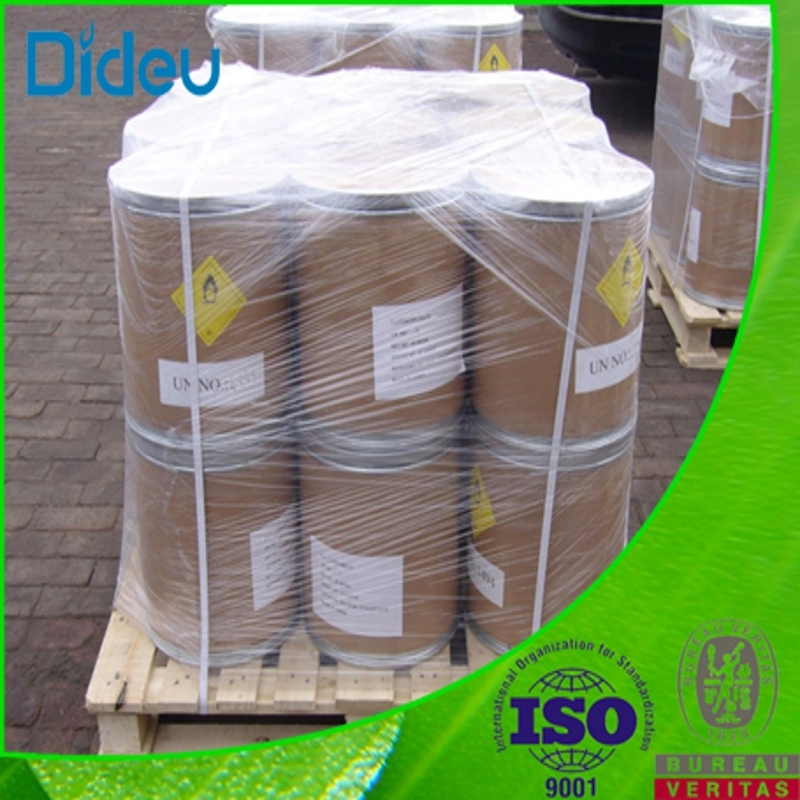


Linoleic acid
CAS No: 60-33-3
Formula: C18H32O2
Categories: Cosmetic Ingredient > Antistatic
-

Linoleic acid 99% Dideu
Inquiry -

Linoleic acid 95%+
Inquiry -

Linoleic acid CAS:60-33-3
Inquiry -

Linoleic acid, CAS:60-33-3
$7-8/KG FOB
Inquiry


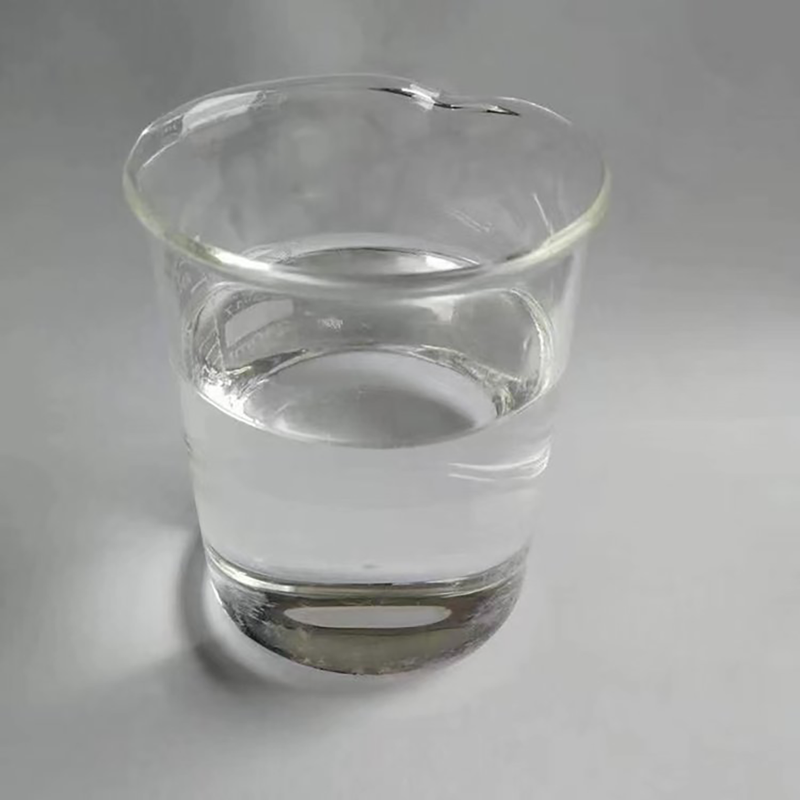

Pectin
CAS No: 9000-69-5
Categories: Cosmetic Ingredient > Emulsion Stabilising


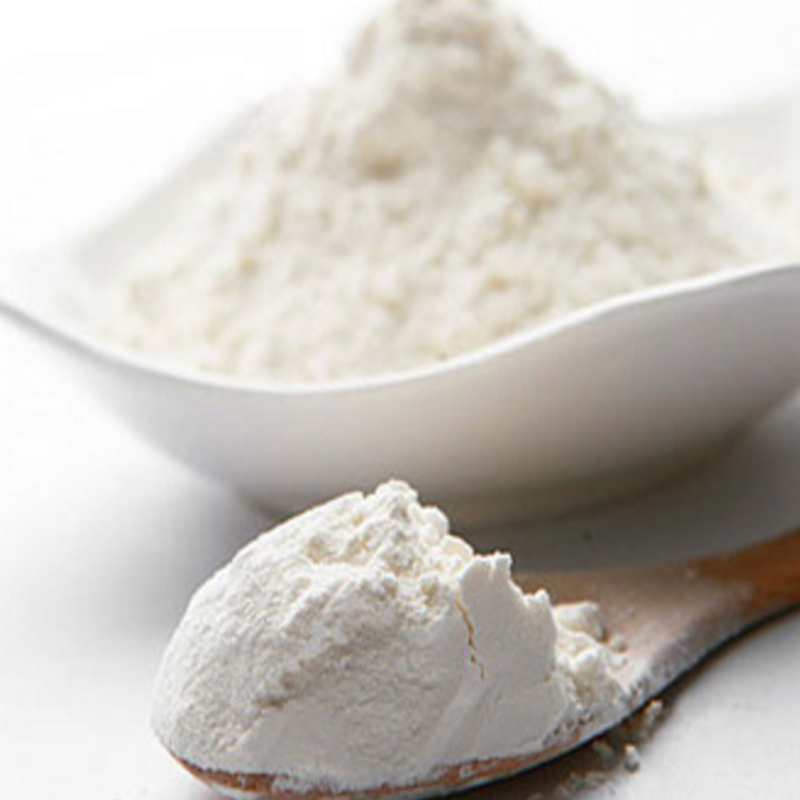
Ammonium fluoride
CAS No: 12125-01-8
Formula: FH4N
Categories: Cosmetic Ingredient > Antiplaque
-

Ammonium fluoride 99% powder 12125-01-8 Dideu
$1/KG FOB
Inquiry -

Ammonium Fluoride CAS No 12125-01-8
Inquiry -

NH4F
Inquiry -

Ammonium Fluoride 95% White Crystal
Inquiry



Menadione
CAS No: 58-27-5
Formula: C11H8O2
Categories: Cosmetic Ingredient > Fragrance Ingredient




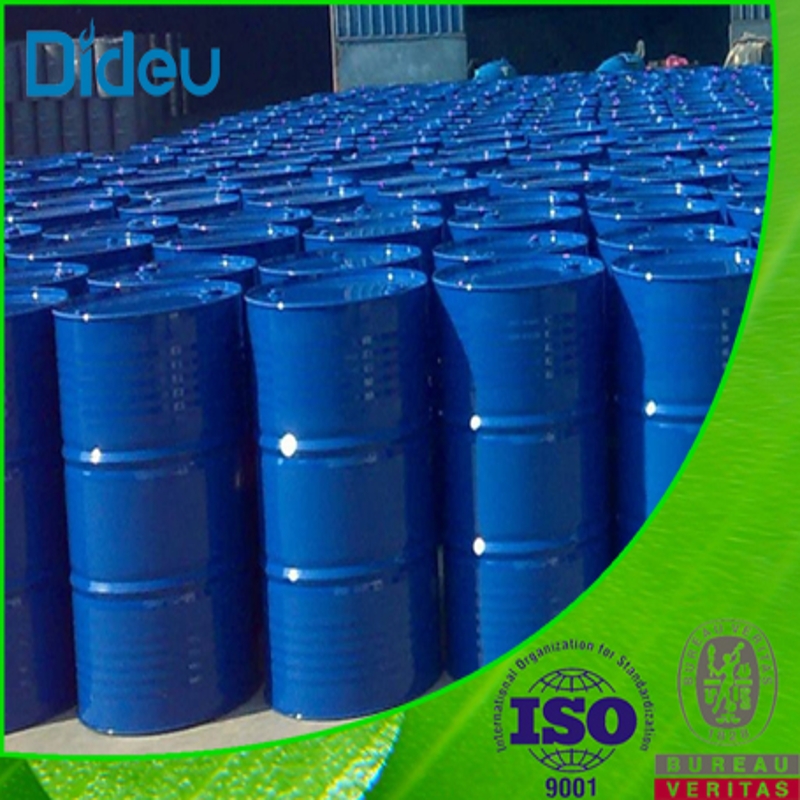
Ethylene oxide-propylene oxide copolymer
CAS No: 9003-11-6
Formula: (C3H6O.C2H4O)x
Categories: Cosmetic Ingredient > Emulsion Stabilising
-

Dideu Supply Polyether Polyol PPG3000 PPG 3010 for PU Flexible Foam CAS 9003-11-6
Inquiry -

Polyethylene-polypropylene glycol 99% White powder Polyethylene-polypropylene glycol faithful
Inquiry -

High Quality CAS 9003-11-6 /Poloxamer 188,NF/C5h10o2/Defoamer/Manufacture Polyurethane Foam Plastic,Adhesive/Stabilizers,Solvent-Increasing Agents
Inquiry -

Cost-effective sourcing of 99% pure Poloxalene CAS 9003-11-6 raw material
Inquiry

Artemisinin
CAS No: 63968-64-9
Formula: C15H22O5
Categories: Cosmetic Ingredient > Skin Conditioning
-

Artemisinin/
Inquiry -

63968-64-9
Inquiry -

Artemisinin CAS:63968-64-9 C15H22O5
Inquiry -

63968-64-9ArtemisininArtemisinin
Inquiry

296 Cosmetic Ingredient Suppliers
Short on time? Let Cosmetic Ingredient sellers contact you.
Ethyl maltol
CAS No: 4940-11-8
Formula: C7H8O3
Categories: Cosmetic Ingredient > Perfuming


Retinol palmitate
CAS No: 79-81-2
Formula: C36H60O2
Categories: Cosmetic Ingredient > Skin Conditioning
-

Retinyl palmitate 99%
Inquiry -

Retinol palmitate
Inquiry -

Vitamin A palmitate/79-81-2
Inquiry -

Hot Sale Factory Supply Vitamin A palmitate/ Retinol Palmitate CAS 79-81-2
Inquiry


Butadiene-styrene copolymer
CAS No: 9003-55-8
Formula: (C8H8.C4H6)x
Categories: Cosmetic Ingredient > Opacifying


Proteinase
CAS No: 9001-92-7
Formula:
Categories: Cosmetic Ingredient > Skin Conditioning
-

Fungal Acid Protease 99.0% Solid Dideu
Inquiry -

9001-92-7
Inquiry -

Food Additives CAS. 9001-92-7 Proteinase In stock
$26.13-32.66/UNIT FOB
Inquiry -

Hot Selling PROTEASE 9001-92-7 Factory Supply Raw Materials High Qulity Wholesale price
Inquiry



1,6-Hexanediol
CAS No: 629-11-8
Formula: C6H14O2
Categories: Cosmetic Ingredient > Dissolving Agent
-

1,6-Hexanediol 99% Waxy Flakes Dideu
Inquiry -

1,6-Hexanediol hot sale high quality white raw powder
Inquiry -

1,6-Hexanediol 629-11-8
Inquiry -

1,6-Hexanediol
Inquiry



Mica-group minerals
CAS No: 12001-26-2
Formula:
Categories: Cosmetic Ingredient > Cosmetic Colorant


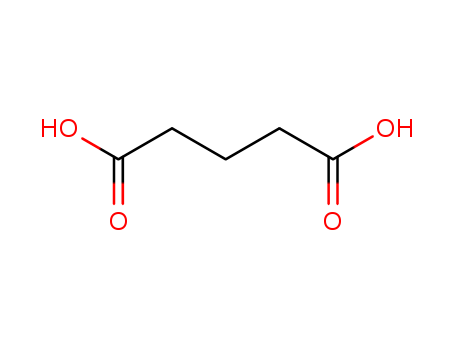
Glutaric acid
CAS No: 110-94-1
Formula: C5H8O4
Categories: Cosmetic Ingredient > Buffering


Aloe barbadensis
CAS No: 8001-97-6
Formula:
Categories: Cosmetic Ingredient > Fragrance Ingredient


Dextrin
CAS No: 9004-53-9
Formula:
Categories: Cosmetic Ingredient > Viscosity Controlling
-

Dextrin
$0.1/KG EXW
Inquiry -

Dextrin 1
Inquiry -

Dextrin & C18H32O16 99% Powder Dideu
Inquiry -

Dextrin 9004-53-9
Inquiry

Diethyl malonate
CAS No: 105-53-3
Formula: C7H12O4
Categories: Cosmetic Ingredient > Perfuming
-

Diethyl malonate 99% Dideu
Inquiry -

Diethyl malonate SSN105-53-3 LK-SSN
Inquiry -
")
Diethyl malonate (high qualified)
$1-1.2/KG FOB
Inquiry -

Diethyl malonate
Inquiry


New Arrivals
Most Popular
-

$49/UNIT FOB
-

Essential Cellular Coenzyme for Energy Metabolism and Longevity Research
$49/UNIT FOB
-

High Quality NAD+ Research Compound for Experimental Laboratory Use
$49-59/UNIT FOB
-

$1E+1/G FOB


People are searching
Frequently Asked Questions
Cosmetic ingredients can be sourced through online B2B platforms, manufacturers, and specialized distributors. On ECHEMI, buyers can browse a wide range of cosmetic ingredient suppliers, compare specifications, and submit RFQs based on their formulation needs.
Buyers usually evaluate cosmetic ingredients through documentation such as COA (Certificate of Analysis), MSDS, and product specifications. In addition, supplier certifications, production standards, and third-party test reports are also important indicators of quality and reliability.
Natural cosmetic ingredients are derived from plants, minerals, or other naturally occurring sources, while synthetic ingredients are produced through chemical processes. Both can be safe and effective. In fact, many synthetic ingredients are designed to be more stable and consistent than their natural counterparts.
A cosmetic ingredient refers to any substance used in the formulation of personal care and beauty products. These ingredients are added to achieve specific functions, such as moisturizing the skin, cleansing, preserving the formula, adding fragrance, or improving product texture and appearance. Cosmetic ingredients can be natural, synthetic, or a combination of both.