




Active Pharmaceutical Ingredients
- • Respiratory Drugs (115)
- • Hormones and the Endocrine System (279)
- • Antipyretic Analgesics (169)
- • Antiallergic Drugs (104)
- • Antiparasitic Drugs (127)
- • Antibiotics (541)
- • Antineoplastic Agents (294)
- • Anesthetic Agents (79)
- • Urinary System Drugs (52)
- • Other Chemical Drugs (949)
- • Synthetic Anti-infective Drugs (590)
- • Nervous System Drugs (347)
- • Fluid, Electrolyte, and Acid-base Balance (48)
- • Vitamins and Minerals Medicines (103)
- • Digestive System Drugs (197)
- • Blood System Drugs (85)
- • Circulatory System Drugs (411)
- • Diagnostic Agents (58)
- • Specialty Drugs (108)
- • Drug Metabolism (23)
- • Feed Additive (22)
- • Anti-stress Drugs (1)
- • Drugs Influencing Immune Function (14)
- • Veterinary Raw Materials (24)
- • Inhibitor Drugs (80)
Related News
-
At the API China 2024 Spectacle: A Grand Recap!
2024-10-18 -
The 89th API China & The 27th CHINA-PHARM Exhibition Opened
2024-06-05 -
Overview of China's API industry in 2023
2023-02-01 -
Global Analysis of Active Pharmaceutical Ingredient (API)
2023-01-28 -
Professional and technical dry goods: a brief discussion on the selection of starting materials for chemical synthesis APIs
2022-11-18 -
In 2021, India's Ibuprofen API Export Volume and Price will Fall
2022-06-20


Diagnostic Agents Featured Products
Diagnostic Agents
Iodide
(20461-54-5)-

Pharmaceutical Grade / -
-

Industrial Grade / 99%
-

-

Industrial Grade / 99%


Request for quotation , get quotes from more suppliers.
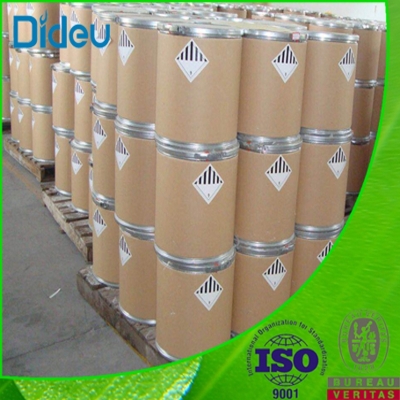
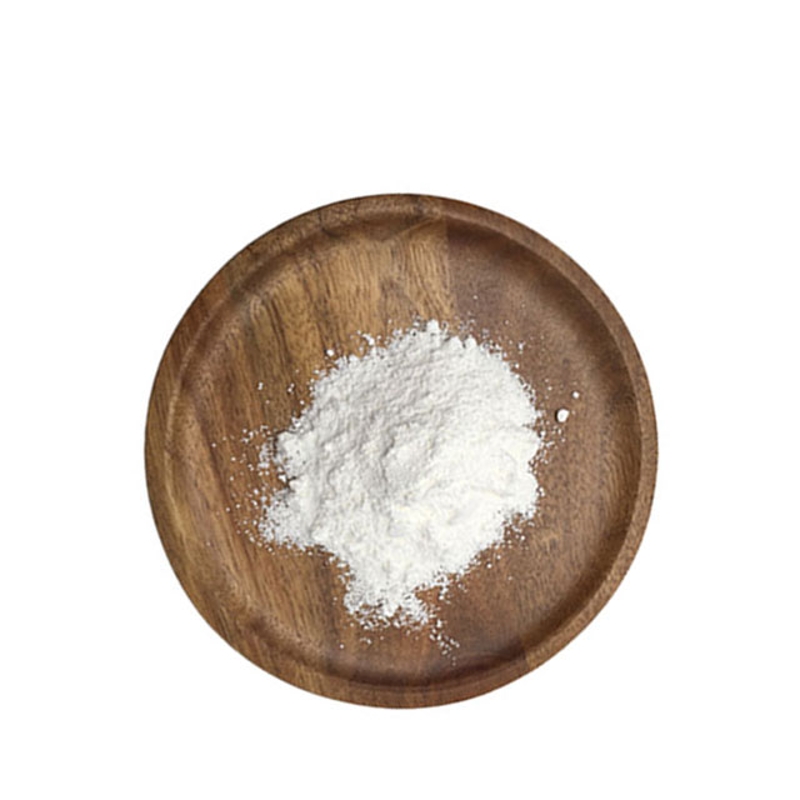
N-Methyl-D-glucamine
(6284-40-8)-
-d-glucito 99% powder 6284-40-8 Dideu")
Pharmaceutical Grade / 99%
-

Pharmaceutical Grade / 99%
-

Pharmaceutical Grade / 99%
-

Pharmaceutical Grade / 99%


Request for quotation , get quotes from more suppliers.
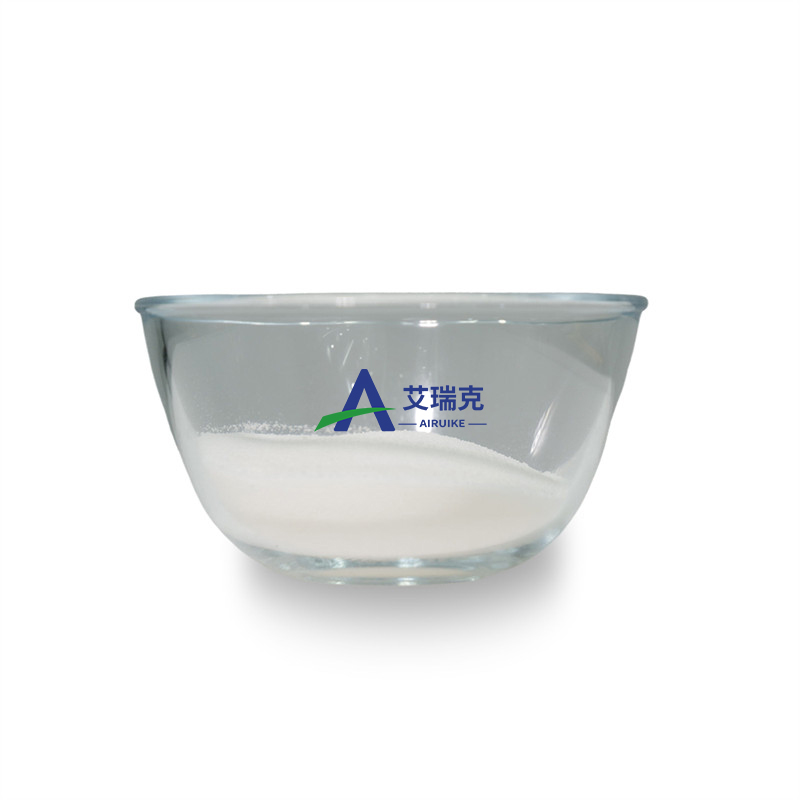
Indigo carmine
(860-22-0)-

Pharmaceutical Grade / 99%
-

Pharmaceutical Grade / 0%
-

Pharmaceutical Grade / 99%
-

Pharmaceutical Grade / 99%
$50/ EXW



Request for quotation , get quotes from more suppliers.
Histamine
(51-45-6)-

Industrial Grade / pharmaceutical grade / 99%
-

- / 99.00%
-

industrial Grade / 98%
-

Industrial Grade / 98%
$35700-36000/KG FOB


Request for quotation , get quotes from more suppliers.
Congo red
(573-58-0)-

Pharmaceutical Grade / 99%
-

-

- / 99.00%
-

- / 0.00%


Request for quotation , get quotes from more suppliers.
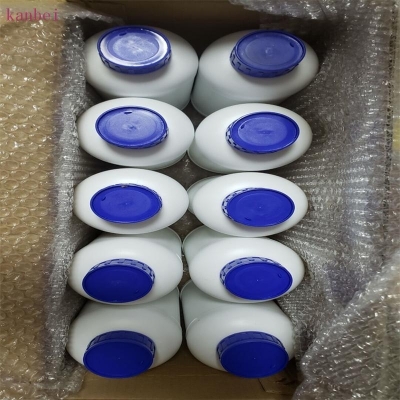
Fluorescein isothiocyanate
(27072-45-3)-

Industrial Grade, Feed Grade, Food Grade, Pharma Grade / 99%
-

- / 99.00%
-

Industrial Grade / 99%
-


Request for quotation , get quotes from more suppliers.
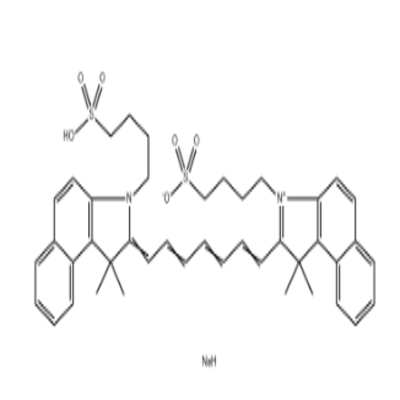
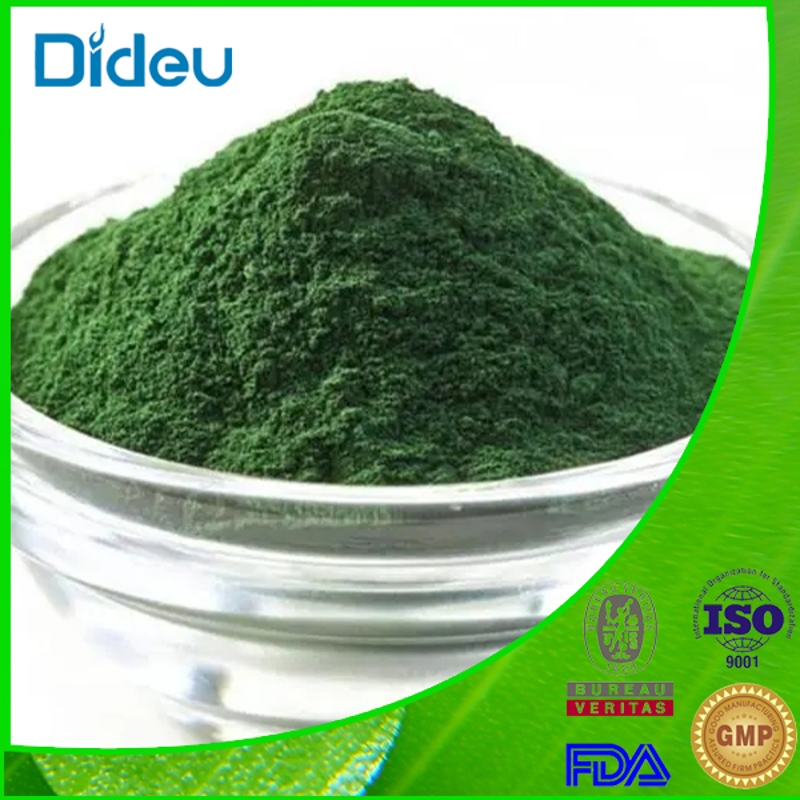
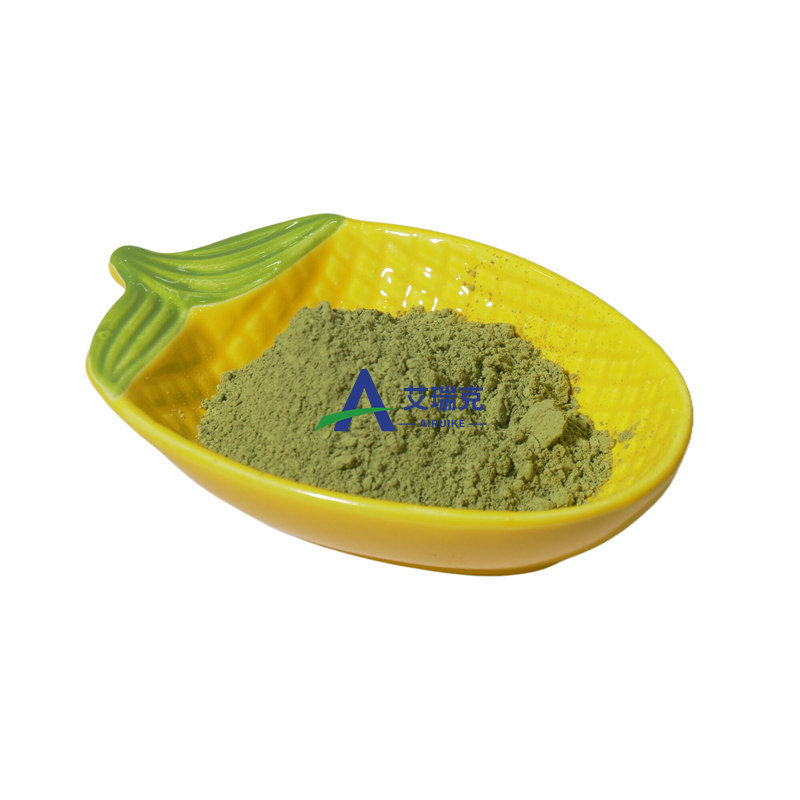
Indocyanine green
(3599-32-4)-

Pharmaceutical Grade / 90%
$200-250/KG EXW
-

Pharmaceutical Grade / 96%
-

Pharmaceutical Grade / 99%
-

Pharmaceutical Grade / 99%

Request for quotation , get quotes from more suppliers.
-

Pharmaceutical Grade / 99%
-

Pharmaceutical Grade / 99%
-

Industrial Grade / 99%
-

- / 99%


Request for quotation , get quotes from more suppliers.
Iodixanol
(92339-11-2)-

Pharmaceutical Grade / 99%
-

Pharmaceutical grade / 99%
-

Pharmaceutical Grade / 99%
-

Pharmaceutical Grade / 99%


Request for quotation , get quotes from more suppliers.
Ioversol
(87771-40-2)-

Pharmaceutical Grade / 99%
-

Pharmaceutical Grade / 99%
-

pharmaceutical grade / 99.9%
-

Pharmaceutical Grade / 99%


Request for quotation , get quotes from more suppliers.
Frequently Asked Questions
Diagnostic Agents are pharmaceutical substances used to enhance the visibility of internal structures during medical imaging procedures such as MRI, CT scans, X-rays, and ultrasound. These agents help clinicians detect, diagnose, and monitor diseases by improving contrast in images. Common types include iodinated contrast media for CT, gadolinium-based agents for MRI, and radiopharmaceuticals for nuclear medicine. Their safe and effective use is critical for accurate diagnosis and patient outcomes.
When selecting a Diagnostic Agent supplier, consider the following key criteria:1. Regulatory compliance—ensure the supplier meets FDA, EMA, or other relevant authority standards.2. Quality assurance systems, including GMP certification and robust documentation.3. Product portfolio breadth and availability of specialized or niche agents.4. Supply chain reliability and ability to meet demand consistently.5. Technical support and post-sale services, such as stability data and handling guidance.Choosing a reputable supplier ensures product integrity and regulatory safety.
Yes, Diagnostic Agents are specifically formulated for different imaging modalities. For example:- Iodine-based contrast agents are used in X-ray and CT imaging to highlight blood vessels and organs.- Gadolinium chelates serve as contrast enhancers in MRI scans.- Technetium-99m and other radioisotopes are employed in SPECT and PET scans for functional imaging.- Microbubble agents improve visualization in ultrasound diagnostics.Selecting the correct agent type is essential for image clarity and diagnostic accuracy.
Safety considerations for Diagnostic Agents include assessing patient allergies (especially to iodine or gadolinium), renal function (as some agents are nephrotoxic), and pregnancy status. Adverse reactions—ranging from mild (nausea, rash) to severe (anaphylaxis)—must be monitored. Proper dosing, hydration protocols, and adherence to clinical guidelines minimize risks. Healthcare providers should always review contraindications and follow institutional safety protocols before administration.
Recent advancements in Diagnostic Agents—such as targeted molecular imaging probes, biodegradable contrast agents, and reduced-toxicity formulations—enhance early disease detection, improve image resolution, and lower side effect risks. Innovations like theranostic agents combine diagnosis and therapy, enabling personalized treatment plans. These developments lead to more precise diagnoses, better monitoring of treatment response, and ultimately, improved patient outcomes across oncology, cardiology, and neurology.