




Cosmetic Ingredient
- • Abrasive (124)
- • Absorbent (84)
- • Anticaking (66)
- • Anticorrosive (25)
- • Antifoaming (19)
- • Antimicrobials (291)
- • Antioxidant Ingredient (393)
- • Antiperspirant (20)
- • Antiplaque (48)
- • Anti-seborrheic (38)
- • Anti-sebum (38)
- • Antistatic (457)
- • Astringent (162)
- • Binding Agent (171)
- • Bleaching Agent (53)
- • Buffering (190)
- • Bulking (109)
- • Chelating (122)
- • Cleansing (680)
- • Cosmetic Colorant (212)
- • Cosmetic Preservative (158)
- • Denaturant (45)
- • Deodorant (98)
- • Depilatory (27)
- • Dissolving Agent (297)
- • Emollient (795)
- • Emulsifying Agent (481)
- • Emulsion Stabilising (153)
- • Exfoliating (19)
- • Film Forming (299)
- • Flavouring (72)
- • Foam Boosting (161)
- • Foaming (101)
- • Fragrance Ingredient (732)
- • Gel Forming (19)
- • Hair Conditioning (672)
- • Hair Dyeing (363)
- • Hair Fixing (36)
- • Hair Waving or Straightening (45)
- • Humectant (281)
- • Hydrotrope (92)
- • Keratolytic (20)
- • Light Stabilizer (77)
- • Moisturising Agent (50)
- • Nail Conditioning (42)
- • Occlusive (20)
- • Opacifying (119)
- • Oral Care (123)
- • Oxidising (19)
- • Perfuming (2106)
- • Plasticiser (98)
- • Propellant (19)
- • Reducing (51)
- • Refatting (12)
- • Refreshing (27)
- • Skin Cleansing (387)
- • Skin Conditioning (1747)
- • Skin Humectant (21)
- • Skin Protecting (281)
- • Smoothing (32)
- • Soothing (72)
- • Tonics (155)
- • UV Filter (33)
- • Viscosity Controlling (530)
Chemicals as Skincare Ingredients
Related News
-
US Tariff Pressure on Canada Raises Risks for North American Chemical Supply Chains
2026-08-22 -
Premium Global Chemical Sourcing Requests (17-19Aug, 2026)
2026-08-20 -
Premium Global Chemical Sourcing Requests (13-16Aug, 2026)
2026-08-17 -
Premium Global Chemical Sourcing Requests (20-23Aug, 2026)
2026-08-24 -
Business Society’s Market Outlook for Acrylic Acid on August 19, 2026: Weak Rebound
2026-08-19 -
Premium Global Chemical Sourcing Requests (24-26Aug, 2026)
2026-08-27


Emollient
Emollient
Aluminum stearate
(637-12-7)-

Pharmaceutical Grade / 99.9%
$1/MT FOB
-

- / 0.00%
-

- / 99.00%
-


Request for quotation , get quotes from more suppliers.
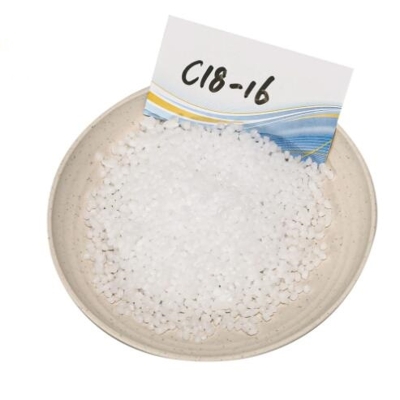
Cetearyl alcohol
(67762-27-0)-

Cosmetics Grade / 99%
-

Cosmetics Grade / 99%
$1735/MT FOB
-

Cosmetics Grade / 99%
-

cosmetic grade / -
$114/KG EXW



Request for quotation , get quotes from more suppliers.
-

- / 99.00%
-

- / 98%
-

$1.05-1.23/KG FOB
-

pharmaceutical grade / 99%


Request for quotation , get quotes from more suppliers.
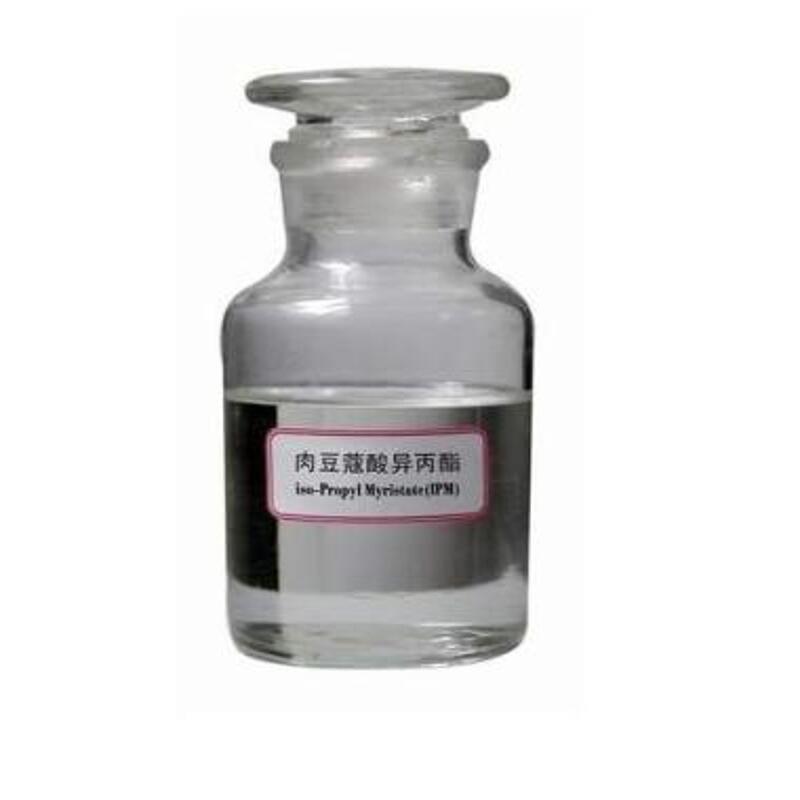
Isopropyl myristate
(110-27-0)-

Cosmetics Grade / 99.6%
-

Cosmetics Grade / 98%
-

Cosmetic Raw Materials / 99%
-

Industrial Grade / -

Request for quotation , get quotes from more suppliers.
Monostearin
(31566-31-1)2. Aldo(R) MS BO KFG is a glycerol ester made from soybean oil derived fatty acid. This product finds uses in both food and cosmetic applications.
3. Aldo(R) MSD KFG is a self emulsifying nonionic surfactant, used as a lubricant in confectionery, as a release agent and as a dough softener. It is used as a low HLB emulsifier in personal care products where non animal grade products are needed.
-

Cosmetics Grade / 40%
-

- / 0.00%
-

Food Grade / 98%
-

Industrial Grade / 99.9%


Request for quotation , get quotes from more suppliers.
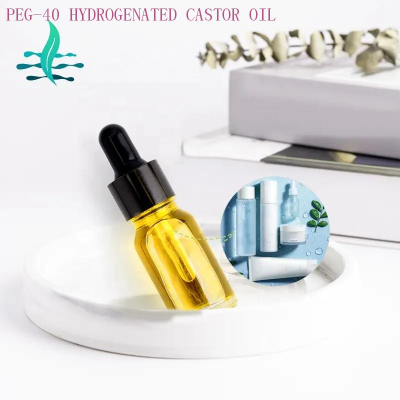
Hydrogenated castor oil
(8001-78-3)-

Cosmetics Grade / 98%
-

-

- / 99.00%
-

Reagent Grade / 99%
$6-7/KG FOB



Request for quotation , get quotes from more suppliers.
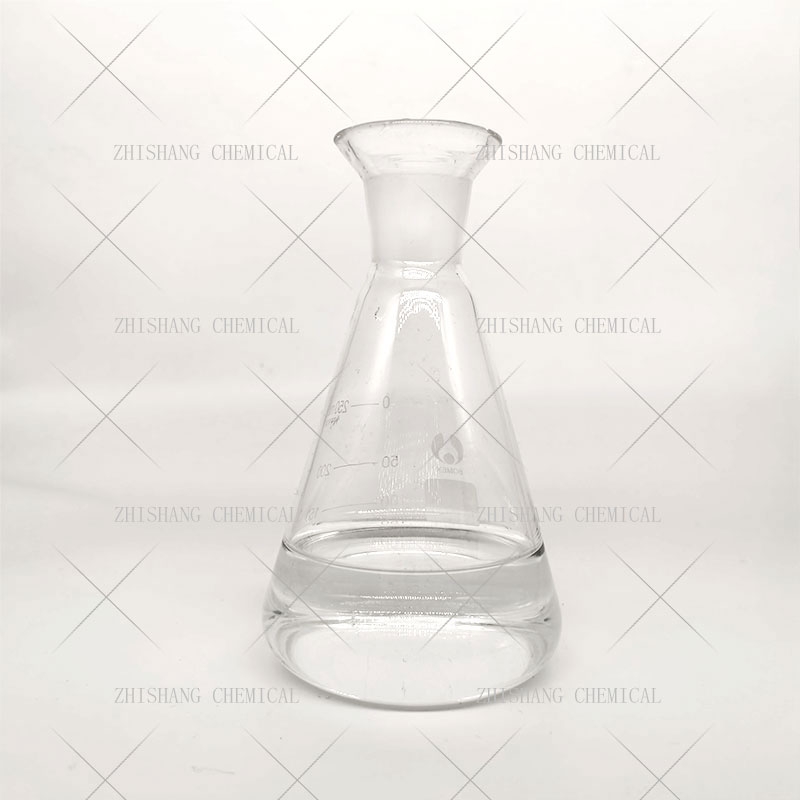
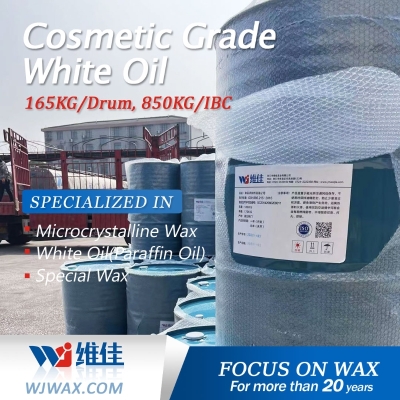
White mineral oil (petroleum)
(8042-47-5)-

Cosmetics Grade / 98%
-

Cosmetics Grade / 100%
$1/MT FOB
-

Cosmetics Grade / -
-

Cosmetic Grade / 99%


Request for quotation , get quotes from more suppliers.
Itaconic acid
(97-65-4)-

Cosmetics Grade / 99%
-

Cosmetics Grade / 99%
-

Industrial Grade / 99%
-

- / 99%



Request for quotation , get quotes from more suppliers.
Paraffin oils
(8012-95-1)-

Cosmetics Grade / 99%
$1750-2050/MT FOB
-

Cosmetics Grade / 99.50%
-

Cosmetic / -
-

Industrial Grade / 99%



Request for quotation , get quotes from more suppliers.
Glycol monostearate
(111-60-4)-

Cosmetics Grade / -
-
 Surfactant")
Cosmetic grade / 65%
-

Cosmetics Grade / 98%
-

Cosmetic Raw Materials / 99%


Request for quotation , get quotes from more suppliers.
Source Emollient Raw Materials by Region


Frequently Asked Questions
An emollient is a moisturizing agent used in skincare to soften and smooth the skin by filling in gaps between skin flakes and reinforcing the skin’s natural barrier. Emollients typically contain oils, lipids, or waxes that help retain moisture, reduce dryness, and improve skin texture. They are commonly found in lotions, creams, and ointments for conditions like eczema, psoriasis, and general dry skin.
Common types of emollients in cosmetics include natural oils (like jojoba oil, shea butter, and coconut oil), synthetic esters (such as cetyl palmitate and isopropyl myristate), and silicones (like dimethicone). Each type offers different sensory properties and levels of occlusivity, making them suitable for various skin types and product formulations—from lightweight serums to rich body butters.
When selecting an emollient for sensitive skin, look for fragrance-free, hypoallergenic formulas with minimal ingredients to reduce irritation risk. Ingredients like ceramides, squalane, and glycerin are gentle yet effective. Avoid emollients containing alcohol, strong fragrances, or known allergens. Patch testing new products is also recommended to ensure compatibility with your skin.
Yes, emollients can and should be used daily—especially for individuals with chronic dry skin conditions—to maintain skin hydration and barrier function. Side effects are rare but may include mild irritation or acne breakouts if comedogenic ingredients are used on acne-prone skin. Choosing non-comedogenic, dermatologist-tested emollients minimizes such risks.
Emollients smooth and soften skin by filling spaces between skin cells. Humectants (like hyaluronic acid or glycerin) attract water from the environment or deeper skin layers to hydrate the surface. Occlusives (such as petrolatum or beeswax) form a protective barrier to prevent moisture loss. Many effective moisturizers combine all three types to deliver comprehensive hydration and protection.