




Natural Products
- • Lignans (234)
- • Xanthones (46)
- • Flavonoids (466)
- • Terpenes (770)
- • Iridoid Derivatives (92)
- • Coumarin and Derivatives (121)
- • Phenols (338)
- • Steroids (103)
- • Phenylpropanoids (75)
- • Anthraquinone and Derivatives (16)
- • Chalcones (47)
- • Alkaloids (492)
- • Quinone Ring (28)
- • Sesquiterpene (228)
Related News
-
Credit Suisse triggers anxiety, international crude oil and natural gas collectively plummet
2023-03-16 -
Germany's annual natural gas imports fell by more than 10%
2023-01-17 -
Turkey announces discovery of 58 billion cubic meters of natural gas in Black Sea
2022-12-28 -
Natural gas: Sinopec and Qatar Energy signed a long-term purchase agreement
2022-12-01 -
The EU proposes to set a price ceiling of 275 euros per megawatt hour for natural gas
2022-11-24 -
German natural gas storage facility reaches 100% gas storage capacity
2022-11-22


Flavonoids Featured Products
Flavonoids
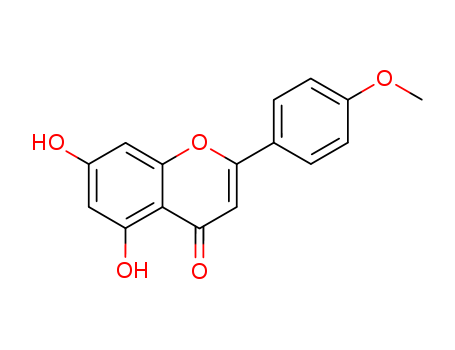
Acacetin
(480-44-4)-

- / 99.00%
-

- / 99%
-

Food grade / 99%
-

Top Product / 98%


Request for quotation , get quotes from more suppliers.
Amentoflavone
(1617-53-4)-

- / 99.00%
-

Pharmaceutical Grade / 99%
-

Chemical Grade / 99%
$5.1-6.12/G FOB
-

Food Grade / 99%


Request for quotation , get quotes from more suppliers.
Astilbin
(29838-67-3)-

- / 99.00%
-

Chemical Grade / 99%
-
biphenyl 98% Purity CAS 29838-67-3 High Purity Diamine Monomer for Polyimide Synthesis, Polymer Chemistry, and Advanced Materi")
Reagent Grade / 99%
$300-350/G FOB
-

Pharmaceutical Grade / 99%



Request for quotation , get quotes from more suppliers.
Avicularin
(572-30-5)-

- / 99.00%
-

Chemical Grade / 99%
-

Industrial Grade / 99%
-



Request for quotation , get quotes from more suppliers.
Artemetin
(479-90-3)-
")
Industrial Grade / 99%
-

Pharmaceutical grade / 99%
$10/G EXW
-
-5-hydroxy-3,6,7-trimethoxychromen-4-one")
-
")

Request for quotation , get quotes from more suppliers.
Source Flavonoids Products Supply
Afzelin
(482-39-3)-

Industrial Grade / 99%
-

- / 99.00%
-

Industrial Grade / 99%
-


Request for quotation , get quotes from more suppliers.
Afzelechin
(2545-00-8)-

Industrial Grade, Feed Grade, Food Grade, Pharma Grade / 99%
-

-

-
-, (2R,3S)-")


Request for quotation , get quotes from more suppliers.
-

Industrial Grade / 99%
-

Industrial Grade / 99%
-

-


Request for quotation , get quotes from more suppliers.
-

Chemical Grade / 99%
-

Industrial Grade / 99.0%
-
![buy 4-[[3,5-bis(trimethylsilyl)benzoyl]amino]benzoic acid]( "4-[[3,5-bis(trimethylsilyl)benzoyl]amino]benzoic acid")
-


Request for quotation , get quotes from more suppliers.
-

Pharmaceutical grad / 99%
$100/KG EXW
-

Industrial Grade / 99%
-
![buy 5-Hydroxy-9-(4-hydroxyphenyl)-2,2-dimethyl-3,4-dihydro-2H,10H-pyr ano[2,3-f]chromen-10-one]( "5-Hydroxy-9-(4-hydroxyphenyl)-2,2-dimethyl-3,4-dihydro-2H,10H-pyr ano[2,3-f]chromen-10-one")
-


Request for quotation , get quotes from more suppliers.
Frequently Asked Questions
Flavonoids are a diverse group of phytonutrients found in almost all fruits and vegetables. They are known for their antioxidant, anti-inflammatory, and immune-supporting properties. Common subclasses include flavones, flavonols, flavanones, isoflavones, and anthocyanidins. Due to their health-promoting effects, flavonoids are widely used in dietary supplements, functional foods, and natural therapeutics.
Flavonoids occur naturally in a wide variety of plant-based foods and beverages. Rich sources include citrus fruits (flavanones), berries (anthocyanidins), onions and apples (flavonols), soybeans (isoflavones), and tea—especially green and black tea (catechins and theaflavins). Including a colorful diet with diverse fruits, vegetables, legumes, and herbs helps ensure adequate flavonoid intake.
When sourcing flavonoid extracts, buyers should evaluate:1. Purity and concentration levels (e.g., HPLC-certified assays).2. Botanical origin and extraction method (e.g., solvent-free or ethanol-based).3. Compliance with regulatory standards like ISO, GMP, or FDA GRAS status.4. Supplier transparency regarding heavy metals, pesticides, and microbial testing.5. Batch-to-batch consistency and documentation (Certificates of Analysis).These factors ensure safety, efficacy, and suitability for end-use applications.
Yes, several flavonoid compounds are commonly used in commercial products. Key examples include quercetin (a flavonol with strong antioxidant activity), hesperidin (a citrus flavanone supporting vascular health), epigallocatechin gallate (EGCG from green tea, known for metabolism support), genistein (a soy isoflavone used in hormonal health formulations), and rutin (used for capillary strength and anti-edema effects). Each type offers distinct biological activities and application benefits.