




Flavors and Fragrances
Get Flavors and Fragrances Raw Materials by RegionFlavors and Fragrances
- • Synthetic Fragrances (1591)
- • Natural Spices (155)
Related News
-
Huda Beauty to Sell Kayali Stake to General Atlantic
2025-02-20 -
Skylar Clean Beauty Launches New Citrus Reverie Fragrance
2024-06-25 -
Give Back Beauty secures Mercedes-Benz fragrance licensing agreement
2024-04-17 -
BASF Aromatic Ingredients expands its Isobionics portfolio with new natural flavors
2024-03-13 -
Henry Rose raises series A funding
2023-05-15 -
LMR NATURALS BY IFF UNVEILS CARBON FOOTPRINT CALCULATION FOR FRAGRANCE
2023-01-19
Related Products Price


Flavors and Fragrances
Flavors and Fragrances Suppliers
1-Furfurylpyrrole
CAS No: 1438-94-4
Formula: C9H9NO
Categories: Flavors and Fragrances > Perfuming
-

1-FURFURYLPYRROLE
Inquiry -

1-Furfurylpyrrole
Inquiry -

1-furfurylpyrrole
Inquiry -

1-FURFURYLPYRROLE
Inquiry


3-Heptanone
CAS No: 106-35-4
Formula: C7H14O
Categories: Flavors and Fragrances > Perfuming
-

3-Heptanone
Inquiry -

3-Heptanone
Inquiry -

3-Heptanone
Inquiry -

3-Heptanone
Inquiry


Ethyl sulfide
CAS No: 352-93-2
Formula: C4H10S
Categories: Flavors and Fragrances > Synthetic Fragrances


2,4-Heptadienal
CAS No: 5910-85-0
Formula: C7H10O
Categories: Flavors and Fragrances > Synthetic Fragrances


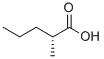
2-Methylvaleric acid
CAS No: 97-61-0
Formula: C6H12O2
Categories: Flavors and Fragrances > Perfuming
-

2-METHYLVALERIC ACID
Inquiry -

2-METHYLVALERIC ACID 99% high purity certified Professional producer Greenbo
Inquiry -

2-METHYLVALERIC ACID
Inquiry -

2-METHYLVALERICACID
Inquiry

Methyl hexanoate
CAS No: 106-70-7
Formula: C7H14O2
Categories: Flavors and Fragrances > Perfuming
-

Methyl hexanoate 99% high purity certified Professional producer Greenbo
Inquiry -

Methyl hexanoate 106-70-7
Inquiry -

More than 15 years GMP Factory Suppy 99.5% Methyl hexanoate Medical Grade CAS106-70-7
Inquiry -

Methyl hexanoate
Inquiry



Phenylethyl propionate
CAS No: 122-70-3
Formula: C11H14O2
Categories: Flavors and Fragrances > Perfuming
-

2-PHENYLETHYL PROPIONATE
Inquiry -

China Professional Factory Manufacturer Supply Hight Quality 2-PHENYLETHYL PROPIONATE CAS 122-70-3
Inquiry -

2-Phenylethyl propionate 99% see COA kanbei
Inquiry -

2-PHENYLETHYL PROPIONATE
Inquiry


Butyl hexanoate
CAS No: 626-82-4
Formula: C10H20O2
Categories: Flavors and Fragrances > Perfuming
-

China Most Professional Manufacturer Supply High Quality Butyl Hexanoate CAS 626-82-4
Inquiry -

Butyl hexanoate
Inquiry -

Butyl Hexanoate
Inquiry -

Butyl hexanoate
Inquiry


2-Methyl-3-(methylthio)pyrazine
CAS No: 2882-20-4
Formula: C6H8N2S
Categories: Flavors and Fragrances > Perfuming


1,4-Butanedithiol
CAS No: 1191-08-8
Formula: C4H10S2
Categories: Flavors and Fragrances > Synthetic Fragrances
-

1191-08-8 butane-1,4-dithiol
Inquiry -

1,4-Butanedithiol cas1191-08-8
Inquiry -
 factory, Honour")
98.0% 1,4-Butanedithiol, CAS 1191-08-8 ,1,2-Dimercaptoethane,1,4-Dimercaptobutane,Sulfhydryl(thio-alcohol) factory, Honour
Inquiry -

1,4-BUTANEDITHIOL
Inquiry




295 Flavors and Fragrances Suppliers
Short on time? Let Flavors and Fragrances sellers contact you.
4-Methyloctanoic acid
CAS No: 54947-74-9
Formula: C9H18O2
Categories: Flavors and Fragrances > Synthetic Fragrances
-

4-Methyloctanoic acid
Inquiry -

4-Methyloctanoic acid
Inquiry -

4-Methyloctanoic acid cas54947-74-9
Inquiry -

High quality 4-Methyl Octanoic Acid CAS NO.54947-74-9
Inquiry


Whiskey lactone
CAS No: 39212-23-2
Formula: C9H16O2
Categories: Flavors and Fragrances > Perfuming
A cis–trans mixture can be prepared by radical addition reaction of pentanal with crotonic acid followed by reductive cyclization of the resulting ??-oxo acid with sodium boron hydride/sulfuric acid . It is used in aroma compositions, for example, for beveraMore


2-[(3-Furanylmethyl)thio]methylpyrazine
CAS No: 65530-53-2
Formula: C10H10N2OS
Categories: Flavors and Fragrances > Synthetic Fragrances


Musk ketone
CAS No: 81-14-1
Formula: C14H18N2O5
Categories: Flavors and Fragrances > Perfuming
Musk ketone is widely used as a fixative in blossom and fantasy compositions.More
-

Best Price CAS 81-14-1 Musk Ketone Powder
Inquiry -

Musk ketone
Inquiry -

Musk ketone
Inquiry -

Musk ketone
Inquiry


Phenylpropyl aldehyde
CAS No: 104-53-0
Formula: C9H10O
Categories: Flavors and Fragrances > Perfuming



4-acetoxy-2,5-dimethyl-3(2H)furanone
CAS No: 4166-20-5
Formula: C8H10O4
Categories: Flavors and Fragrances > Synthetic Fragrances
-

Fmoc-2,4-Dimethyl-L-phenylalanine 98% Purity CAS 4166-20-5 High Purity Fmoc-Protected Non-Natural Amino Acid for Peptide Synthesis, Drug Discovery, an
Inquiry -

China Largest Manufacturer Supply High Purity Furaneol acetate CAS 4166-20-5
Inquiry -

High quality Furanone Acetate CAS NO.4166-20-5
Inquiry -

Furaneol acetate
Inquiry


3-(3-Chlorophenyl)-2-propenoic acid
CAS No: 1866-38-2
Formula: C9H7ClO2
Categories: Flavors and Fragrances > Synthetic Fragrances
-

High purity 3-Chlorocinnamic acid human with Safe Delivery
Inquiry -

3-Chlorocinnamic Acid 99% White Powder CAS NO. 1866-38-2 Cixiang
Inquiry -

3-Chlorocinnamic acid
Inquiry -

3-Chlorocinnamic acid
Inquiry


Sotolone
CAS No: 28664-35-9
Formula: C6H8O3
Categories: Flavors and Fragrances > Synthetic Fragrances
-

4,5-Dimethyl-3-hydroxy-2,5-dihydrofuran-2-one
Inquiry -

4,5-Dimethyl-3-hydroxy-2,5-dihydrofuran-2-one 99% high purity certified Professional producer Greenbo
Inquiry -

China Most Professional Manufacturer Supply High Quality FENUGREEK LACTONE/4,5-Dimethyl-3-hydroxy-2,5-dihydrofuran-2-one CAS 28664-35-9
Inquiry -

4,5-Dimethyl-3-hydroxy-2,5-dihydrofuran-2-one
Inquiry


Bacdanol
CAS No: 28219-61-6
Formula: C14H24O
Categories: Flavors and Fragrances > Perfuming
It is used in perfume compositions for cosmetics, soaps, and detergents.More


Megastigmatrienone
CAS No: 13215-88-8
Formula: C13H18O
Categories: Flavors and Fragrances > Perfuming
-

Tabanone 99% Dideu
Inquiry -

Tabanone 99% zhishang
Inquiry -

13215-88-8
Inquiry -

Tabanone
Inquiry


New Arrivals
Most Popular



People are searching
Frequently Asked Questions
They can be both. Natural flavors and fragrances are extracted from plant or animal sources using methods such as distillation or pressing. Synthetic flavors and fragrances are created in laboratories to replicate natural aromas or to produce entirely new scent profiles. Synthetic versions are often more stable, cost-effective, and consistent in quality, making them widely used in large-scale production.
Flavors are widely used in industries such as beverages, confectionery, baked goods, dairy products, and pharmaceuticals (for example, in syrups or chewable tablets). Fragrances are used in perfumes, skincare, hair care, fabric care, cleaning products, and even industrial products like paints and plastics to mask unwanted odors or add signature scents.
The main difference lies in how they are perceived and applied. Flavors are designed to be tasted and are therefore used in food, beverages, and oral products. Fragrances are designed to be smelled and are commonly used in perfumes, cosmetics, soaps, detergents, and air fresheners. In general, flavors must meet stricter food safety standards, while fragrances focus more on scent stability and intensity.
Flavors and fragrances are chemical compounds or natural extracts used to create specific tastes and smells in products. Flavors are mainly used in food and beverage products to improve or modify taste, while fragrances are used in personal care, household, and industrial products to provide pleasant or functional scents. They can be obtained from natural sources such as plants, fruits, spices, or produced by chemical synthesis.