




Flavors and Fragrances
Get Flavors and Fragrances Raw Materials by RegionFlavors and Fragrances
- • Synthetic Fragrances (1591)
- • Natural Spices (155)
Related News
-
Huda Beauty to Sell Kayali Stake to General Atlantic
2025-02-20 -
Skylar Clean Beauty Launches New Citrus Reverie Fragrance
2024-06-25 -
Give Back Beauty secures Mercedes-Benz fragrance licensing agreement
2024-04-17 -
BASF Aromatic Ingredients expands its Isobionics portfolio with new natural flavors
2024-03-13 -
Henry Rose raises series A funding
2023-05-15 -
LMR NATURALS BY IFF UNVEILS CARBON FOOTPRINT CALCULATION FOR FRAGRANCE
2023-01-19
Related Products Price


Flavors and Fragrances
Flavors and Fragrances Suppliers
Furan, 2-methyl-5-(methyldithio)methyl-
CAS No: 78818-78-7
Formula: C7H10OS2
Categories: Flavors and Fragrances > Synthetic Fragrances
-
methyl-")
Furan, 2-methyl-5-(methyldithio)methyl-
Inquiry -
methylfuran,Methyl 5-methylfurfuryl disulfide,2,3-Dimethyl-5-(2-methyldisulfanyl)furan")
2-Methyl-5-(methyldithio)methylfuran,Methyl 5-methylfurfuryl disulfide,2,3-Dimethyl-5-(2-methyldisulfanyl)furan
Inquiry -
methyl-")
Furan, 2-methyl-5-(methyldithio)methyl-
Inquiry -

Methyl 5-methylfurfuryl disulfide
Inquiry


(E,E)-2,4-Dodecadienal
CAS No: 21662-16-8
Formula: C12H20O
Categories: Flavors and Fragrances > Synthetic Fragrances
-
-2,4-Dodecadienal CAS NO 21662-16-8")
(E,E)-2,4-Dodecadienal CAS NO 21662-16-8
Inquiry -
-2,4-Dodecadienal")
(E,E)-2,4-Dodecadienal
Inquiry -
-2,4-Dodecadienal")
(E,E)-2,4-Dodecadienal
Inquiry -
-2,4-Dodecadien-1-al")
(E,E)-2,4-Dodecadien-1-al
$0.1/KG EXW
Inquiry

Linalool formate
CAS No: 115-99-1
Formula: C11H18O2
Categories: Flavors and Fragrances > Perfuming
-

LINALYL FORMATE
Inquiry -

3,7-dimethylocta-1,6-dien-3-yl formate
Inquiry -

LINALYL FORMATE
Inquiry -

Linalyl formate
Inquiry


2-[(2-Furanylmethyl)thio]-3-methylpyrazine
CAS No: 59303-07-0
Formula: C10H10N2OS
Categories: Flavors and Fragrances > Synthetic Fragrances
-

2-FURFURYLTHIO-3-METHYLPYRAZINE
Inquiry -

2-Furfurylthio-3-Methylpyrazine
Inquiry -

2-furfurylthio-3-methylpyrazine
Inquiry -

2-FURFURYLTHIO-3-METHYLPYRAZINE
Inquiry


ε-Dodecalactone
CAS No: 16429-21-3
Formula: C12H22O2
Categories: Flavors and Fragrances > Synthetic Fragrances
-

DELTA-DODECANOLACTONE
Inquiry -

7-hexyloxepan-2-one
Inquiry -

DELTA-DODECANOLACTONE
Inquiry -

Delta-dodecanolactone
Inquiry


cis-3-Hexenyl cis-3-hexenoate
CAS No: 61444-38-0
Formula: C12H20O2
Categories: Flavors and Fragrances > Perfuming
-

CIS-3-HEXENYL CIS-3-HEXENOATE
Inquiry -

Cis-3-Hexenyl Cis-3-Hexenoate
Inquiry -

CIS-3-HEXENYL CIS-3-HEXENOATE
Inquiry -

CIS-3-HEXENYL CIS-3-HEXENOATE
Inquiry


S-[1-[2-(Acetyloxy)ethyl]butyl] ethanethioate
CAS No: 136954-25-1
Formula: C10H18O3S
Categories: Flavors and Fragrances > Synthetic Fragrances
-
HEXYL ACETATE")
3-(ACETYLTHIO)HEXYL ACETATE
Inquiry -

3-acetylsulfanylhexyl acetate
Inquiry -
HEXYL ACETATE")
3-(ACETYLTHIO)HEXYL ACETATE
Inquiry -
HEXYL ACETATE")
3-(ACETYLTHIO)HEXYL ACETATE
Inquiry


Oils, cognac
CAS No: 8016-21-5
Categories: Flavors and Fragrances > Natural Spices
d
25
25
0.864–0.870; n
20
D
1.4275-1.4295; α
D
?1° to +2°; acid number: 32–70; ester number: 200–245; solubility: 1 vol in at least 2 vol of 80% ethanol.
Liede vinoil consistsmainlyof the ethyl andisoamyl esters of fatty acids, formed durinMore
-

Fir Needle Oil
$10/G EXW
Inquiry -

China Most Professional Factory Supply High Qulity COGNAC OIL CAS 8016-21-5
Inquiry -

COGNAC OIL
Inquiry -

Cognac oil
Inquiry



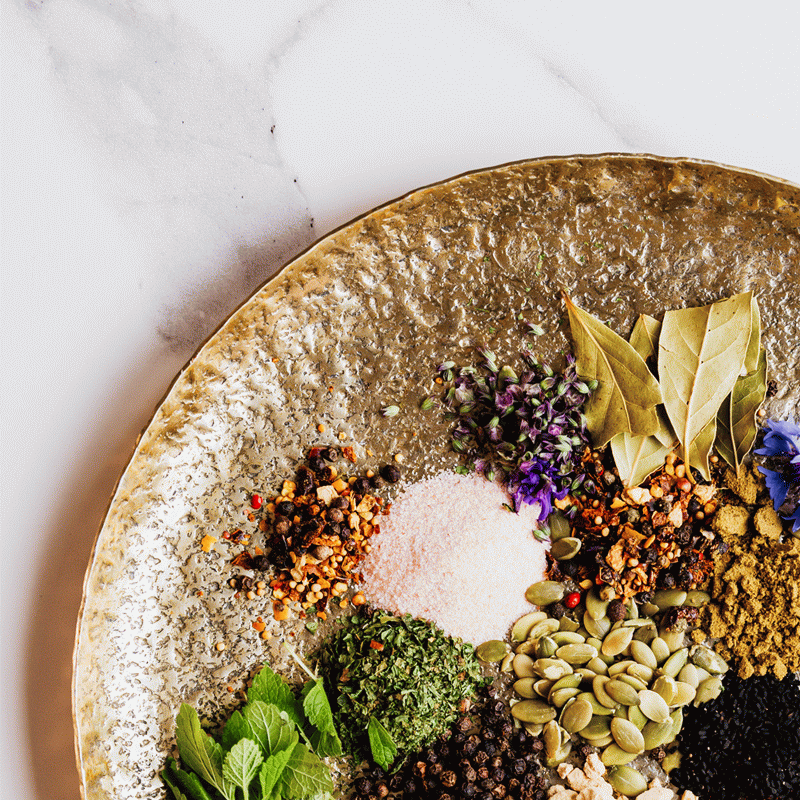
Oils, birch-tar
CAS No: 8001-88-5
Categories: Flavors and Fragrances > Perfuming
-

Birch Oil
Inquiry -

Birch Oil
Inquiry -

Birch tar oil
Inquiry -

Birch Oil
Inquiry
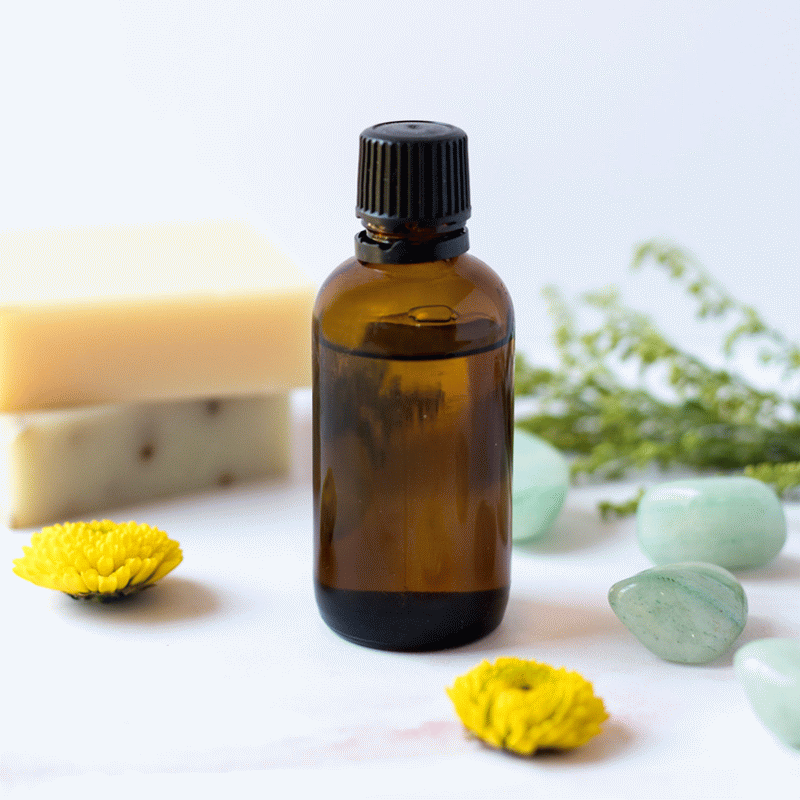
Oils, buchu
CAS No: 68650-46-4
Categories: Flavors and Fragrances > Natural Spices
-

BUCHUL Buchu Leaf Oil - TBI
Inquiry -

BUCHU EXTRACT
Inquiry -

Agathosma betulina leaf oil
Inquiry -

BUCHU EXTRACT
Inquiry


295 Flavors and Fragrances Suppliers
Short on time? Let Flavors and Fragrances sellers contact you.
Pentyl octanoate
CAS No: 638-25-5
Formula: C13H26O2
Categories: Flavors and Fragrances > Perfuming
-

FEMA 2079
Inquiry -

pentyl octanoate
Inquiry -

Octanoic acid, pentylester
Inquiry -

Octanoic acid, pentylester
Inquiry


Methylthiomethyl ethyl ketone
CAS No: 13678-58-5
Formula: C5H10OS
Categories: Flavors and Fragrances > Synthetic Fragrances
-

1-methylsulfanylbutan-2-one
Inquiry -
-2-butanone")
1-(Methylthio)-2-butanone
Inquiry -

1-Methylthio-2-butanone
Inquiry -

Methylthio Butanone
Inquiry


3-(4-Aminophenyl)-2-propenoic acid
CAS No: 2393-18-2
Formula: C9H9NO2
Categories: Flavors and Fragrances > Synthetic Fragrances
-

4-AMINOCINNAMIC ACID CAS NO 2393-18-2
Inquiry -

4-AMINOCINNAMIC ACID
Inquiry -

4-Aminocinnamic acid
Inquiry -

4-AMINOCINNAMIC ACID
Inquiry


Methyl 2-methylpentanoate
CAS No: 2177-77-7
Formula: C7H14O2
Categories: Flavors and Fragrances > Synthetic Fragrances
-

METHYL 2-METHYLPENTANOATE
Inquiry -

METHYL 2-METHYLPENTANOATE
Inquiry -

METHYL 2-METHYLPENTANOATE
Inquiry -

Methyl 2-methylpentanoate
Inquiry


3-(2,3,4,5,6-Pentafluorophenyl)-2-propenoic acid
CAS No: 719-60-8
Formula: C9H3F5O2
Categories: Flavors and Fragrances > Synthetic Fragrances
-

2,3,4,5,6-PENTAFLUOROCINNAMIC ACID
Inquiry -

2,3,4,5,6-PENTAFLUOROCINNAMIC ACID
Inquiry -

2,3,4,5,6-pentafluorocinnamic acid
Inquiry -

2,3,4,5,6-PENTAFLUOROCINNAMIC ACID
Inquiry


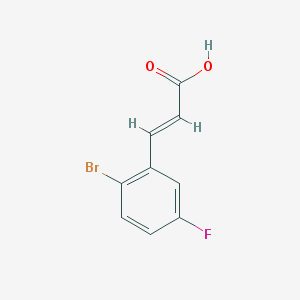
3-(2-Bromo-5-fluorophenyl)-2-propenoic acid
CAS No: 202865-70-1
Formula: C9H6BrFO2
Categories: Flavors and Fragrances > Synthetic Fragrances
-

2-BROMO-5-FLUOROCINNAMIC ACID CAS NO 202865-70-1
Inquiry -

2-BROMO-5-FLUOROCINNAMIC ACID
Inquiry -

2-BROMO-5-FLUOROCINNAMIC ACID
Inquiry -

2-bromo-5-fluorocinnamic acid
Inquiry

(2E)-3-(3-Bromophenyl)-2-propenoic acid
CAS No: 14473-91-7
Formula: C9H7BrO2
Categories: Flavors and Fragrances > Synthetic Fragrances
-

trans-3-Bromocinnamic Acid
Inquiry -

3-BROMOCINNAMIC ACID
Inquiry -

3-bromocinnamic acid
Inquiry -
-3-(3-Bromophenyl)acrylic acid")
(E)-3-(3-Bromophenyl)acrylic acid
$30/ EXW
Inquiry


2,4,5-TRIFLUOROCINNAMIC ACID
CAS No: 247170-17-8
Formula: C9H5F3O2
Categories: Flavors and Fragrances > Synthetic Fragrances
-

2,4,5-TRIFLUOROCINNAMIC ACID CAS NO 247170-17-8
Inquiry -
-3-(2,4,5-trifluorophenyl)prop-2-enoic acid")
(E)-3-(2,4,5-trifluorophenyl)prop-2-enoic acid
Inquiry -

2,4,5-TRIFLUOROCINNAMIC ACID
Inquiry -

2,4,5-Trifluorocinnamic acid
Inquiry

Precyclemone B
CAS No: 52474-60-9
Formula: C14H22O
Categories: Flavors and Fragrances > Perfuming
-

Precyclemone B
Inquiry -
cyclohex-3-ene-1-carbaldehyde")
1-methyl-3-(4-methylpent-3-enyl)cyclohex-3-ene-1-carbaldehyde
Inquiry -

Precyclemone B
Inquiry -

Precyclemone B
Inquiry


4,5-DIMETHOXY-2-NITROCINNAMIC ACID
CAS No: 20567-38-8
Formula: C11H11NO6
Categories: Flavors and Fragrances > Synthetic Fragrances
-

4,5-DIMETHOXY-2-NITROCINNAMIC ACID
Inquiry -

4,5-DIMETHOXY-2-NITROCINNAMIC ACID
Inquiry -

4,5-DIMETHOXY-2-NITROCINNAMIC ACID
Inquiry -

4,5-dimethoxy-2-nitrocinnamic acid
Inquiry


New Arrivals
Most Popular



People are searching
Frequently Asked Questions
They can be both. Natural flavors and fragrances are extracted from plant or animal sources using methods such as distillation or pressing. Synthetic flavors and fragrances are created in laboratories to replicate natural aromas or to produce entirely new scent profiles. Synthetic versions are often more stable, cost-effective, and consistent in quality, making them widely used in large-scale production.
Flavors are widely used in industries such as beverages, confectionery, baked goods, dairy products, and pharmaceuticals (for example, in syrups or chewable tablets). Fragrances are used in perfumes, skincare, hair care, fabric care, cleaning products, and even industrial products like paints and plastics to mask unwanted odors or add signature scents.
The main difference lies in how they are perceived and applied. Flavors are designed to be tasted and are therefore used in food, beverages, and oral products. Fragrances are designed to be smelled and are commonly used in perfumes, cosmetics, soaps, detergents, and air fresheners. In general, flavors must meet stricter food safety standards, while fragrances focus more on scent stability and intensity.
Flavors and fragrances are chemical compounds or natural extracts used to create specific tastes and smells in products. Flavors are mainly used in food and beverage products to improve or modify taste, while fragrances are used in personal care, household, and industrial products to provide pleasant or functional scents. They can be obtained from natural sources such as plants, fruits, spices, or produced by chemical synthesis.