




Cosmetic Ingredient
- • Abrasive (124)
- • Absorbent (84)
- • Anticaking (66)
- • Anticorrosive (25)
- • Antifoaming (19)
- • Antimicrobials (291)
- • Antioxidant Ingredient (392)
- • Antiperspirant (20)
- • Antiplaque (48)
- • Anti-seborrheic (38)
- • Anti-sebum (38)
- • Antistatic (457)
- • Astringent (162)
- • Binding Agent (172)
- • Bleaching Agent (53)
- • Buffering (190)
- • Bulking (109)
- • Chelating (122)
- • Cleansing (680)
- • Cosmetic Colorant (212)
- • Cosmetic Preservative (158)
- • Denaturant (45)
- • Deodorant (98)
- • Depilatory (27)
- • Dissolving Agent (297)
- • Emollient (795)
- • Emulsifying Agent (481)
- • Emulsion Stabilising (154)
- • Exfoliating (19)
- • Film Forming (299)
- • Flavouring (72)
- • Foam Boosting (161)
- • Foaming (101)
- • Fragrance Ingredient (732)
- • Gel Forming (19)
- • Hair Conditioning (672)
- • Hair Dyeing (363)
- • Hair Fixing (36)
- • Hair Waving or Straightening (45)
- • Humectant (281)
- • Hydrotrope (92)
- • Keratolytic (20)
- • Light Stabilizer (78)
- • Moisturising Agent (50)
- • Nail Conditioning (42)
- • Occlusive (20)
- • Opacifying (119)
- • Oral Care (123)
- • Oxidising (19)
- • Perfuming (2106)
- • Plasticiser (98)
- • Propellant (19)
- • Reducing (52)
- • Refatting (12)
- • Refreshing (27)
- • Skin Cleansing (387)
- • Skin Conditioning (1748)
- • Skin Humectant (21)
- • Skin Protecting (281)
- • Smoothing (32)
- • Soothing (72)
- • Tonics (155)
- • UV Filter (33)
- • Viscosity Controlling (531)
Chemicals as Skincare Ingredients
Related News
-
Dow Chemical to Close Three European Plants, Cut 800 Jobs
2026-07-10 -
Semcorp's Hungarian Factory Ordered to Shut Down Over Pollution
2026-07-08 -
Unable to Buy Entire AkzoNobel, Nippon Paint Begins a "Disassembled Approach"
2026-07-13 -
UK AGC Plans to Close PFAS Plant as Pressure on Europe’s Fluorochemicals Sector Intensifies
2026-07-14 -
INEOS Warns Chinese Chemical “Dumping” Is Hitting Europe’s Industry
2026-07-07 -
Haldia Petrochemicals Pipeline Fire in India Adds Uncertainty to Asia's Naphtha Market
2026-07-03


Oral Care
Oral Care
Calcium carbonate
(471-34-1)-

Pharmaceutical Grade / 99%
-

- / 0.00%
-

- / 99.00%
-

- / 99%


Chlorhexidine
(55-56-1)-

-

-

- / 99.00%
-

Food grade / 99%


Request for quotation , get quotes from more suppliers.
Chlorhexidine gluconate
(18472-51-0)-

Cosmetics Grade / -
-

Cosmetics Grade / 99%
-

Pharmaceutical Grade / 99%
-



Request for quotation , get quotes from more suppliers.
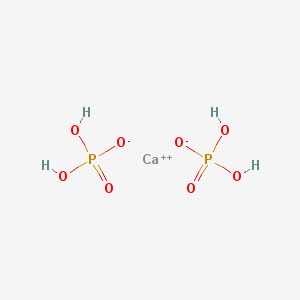
Calcium dihydrogen phosphate
(7758-23-8)-

Chemical Grade / 99%
$1/KG FOB
-

-

- / 0.00%
-

- / 99.00%


Request for quotation , get quotes from more suppliers.
Calcium fluoride
(7789-75-5)-

Chemical Grade / 99%
$1/KG FOB
-

-

-

- / 99.00%


Source Oral Care Products Supply
Calcium hydrogen phosphate dihydrate
(7789-77-7)-

Cosmetics Grade / 99%
-

Cosmetics Grade / 98%
-

Food Grade / 99%
-



Request for quotation , get quotes from more suppliers.
Chlorhexidine acetate
(56-95-1)-

-

- / 99.00%
-

- / 99.00%
-

Pharmaceutical Grade / 99%


Request for quotation , get quotes from more suppliers.
Cetylpyridinium chloride
(123-03-5)The cetyl derivative is the most active of a series ofalkylpyridinium compounds. It is used as a general antisepticin concentrations of 1:100 to 1:1,000 for intact skin,1:1,000 for minor lacerations, and 1:2,000 to 1:10,000 forthe irrigation of mucous membran
-

Chemical Grade / 99%
$1/G FOB
-

-

- / 99.00%
-

Pharmaceutical Grade / 99%


Request for quotation , get quotes from more suppliers.
Chlorhexidine hydrochloride
(3697-42-5)-

-

-

- / 0.00%
-

- / 99.00%


Request for quotation , get quotes from more suppliers.
Cellulase
(9012-54-8)-

-

-

Industrial Grade / -
-

Industrial Grade / 98%


Request for quotation , get quotes from more suppliers.
More Information
Oral care products rely on a diverse range of raw materials to achieve their various functionalities. These ingredients work together to address different aspects like cleaning, protecting, and refreshing.
For example, toothpaste might contain abrasives for cleaning, fluoride for protection, and xylitol to sweeten and promote oral health. Mouthwashes may use CHX for targeted fighting of bacteria while incorporating soothing agents like aloe vera for comfort.
Common oral care ingredients:
•Fluoride: Fluoride can help remineralizer teeth and make them more resistant to acid erosion.
•Xylitol: A natural sweetener that inhibits the growth of oral bacteria.
•Chlorhexidine: An antibacterial agent that kills oral bacteria.
•Lactobacilli: A type of probiotic that helps maintain the balance of oral flora.
Frequently Asked Questions
Effective oral care products typically contain ingredients such as fluoride (to prevent tooth decay), antimicrobial agents like triclosan or cetylpyridinium chloride (to reduce plaque and gingivitis), abrasives like hydrated silica (for stain removal), and humectants such as glycerin (to retain moisture). Natural alternatives may include xylitol, baking soda, or essential oils. Understanding these components helps consumers choose products that meet specific dental health needs.
Dental professionals recommend replacing your toothbrush every 3 to 4 months, or sooner if the bristles become frayed. Worn-out bristles are less effective at removing plaque and can harbor bacteria. For electric toothbrush users, only the brush head needs replacement on the same schedule. Regular replacement supports better cleaning efficiency and overall oral health.
Natural or organic oral care products can be effective for basic cleaning and freshening breath, but their ability to prevent cavities or gum disease depends on active ingredients. For example, products containing xylitol or hydroxyapatite may support enamel health, but they often lack fluoride—a proven cavity-fighting agent. Always check labels and consult a dentist to ensure the product meets your clinical oral health needs.
When selecting an oral care supplier for private label or bulk orders, consider: 1. Regulatory compliance (e.g., FDA registration, ISO or GMP certification),2. Transparency in ingredient sourcing and formulation,3. Customization capabilities (flavors, packaging, formulations),4. Quality control processes and third-party testing,5. Minimum order quantities and lead times.A reliable supplier ensures product safety, consistency, and market competitiveness.
Whitening toothpastes typically use mild abrasives (like silica) or low concentrations of peroxide to remove surface stains from teeth. They do not change the natural tooth color but improve appearance by polishing away extrinsic discoloration. Most are safe for daily use if used as directed; however, overuse may lead to enamel wear or tooth sensitivity. Look for products with the ADA Seal of Acceptance for added assurance of safety and efficacy.