Chemical giants scramble to lay out renewable chemicals

According to the latest data released by IHS Markit, the global production of chemicals (excluding bioplastics and biofuels such as ethanol, biodiesel and renewable diesel) from renewable resources such as agricultural wastes in 2018. The capacity is about 40 million tons per year. Fatty acids account for 31% of the world's renewable chemicals market, followed by monosodium glutamate (MSG), accounting for 12%, and glycerol and sorbitol account for 10% respectively. BCC Research Inc. expects the global renewable chemicals market to grow from $51.7 billion in 2015 to $85.6 billion in 2020, with a compound annual growth rate of 10.6% on-line coatingol.com. The Global Biotechnology Industry Organization (BIO), headquartered in Washington, D.C., said that the growth of bio-based economy in the 21st century would benefit from the support of governments'policies. In addition to stimulating biofuel innovation, the renewable fuel standards (RFS) issued by the U.S. Environmental Protection Agency (EPA) also initiated discussions and policy formulation on renewable chemicals and bio-based products, the BIO said. The New Agriculture Act of the United States of America (2014) extends loan guarantee eligibility to producers of renewable chemicals and bio-based products through the Biorefineries, Renewable Chemicals and Bio-based Products Manufacturing Assistance Scheme. Venture capitalists have invested $5.8 billion in start-ups in bio-based materials and renewable chemicals since 2010, according to Lux Research Inc. From 2010 to 2015, venture capitalists focused on simply replacing chemicals derived from fossil fuels, but starting in 2016, their focus shifted to disruptive synthetic biology and conversion technologies. The demand for bio-based materials is driven by many factors, including sustainable development initiatives of enterprises, consumers'interest in green and safe products, and performance advantages over alternative products of petroleum and fossil fuels. Marifaith Hackett, director of renewable energy and nutrition at IHS Markit, said that the ultimate commercial success of bio-based chemicals would meet one or more criteria. Examples of enterprise sustainable development initiatives include consumer goods companies such as Coca-Cola, Danone, Nestle and Sandley turning to bio-polyethylene terephthalate (bio-PET). Arnold Bos, a consultant at Lux Research, said: "We have seen increasing demand for renewable chemicals from end-users of polymers such as IKEA, Nike and Coca-Cola. They are not only doing this to improve their image, they are also preparing for the future, and they want to hedge rising oil prices and increase product choices based on renewable energy. The performance of simple alternative renewable chemicals such as methanol and ethylene is the same as that of petrochemical products except for the production of biological materials. They can be used as raw materials for existing chemical processes. According to IHS Markit, this simple alternative renewable chemical is in the early stages of its life cycle, and its bio-based production capacity is usually smaller than its total production capacity. In contrast, in the areas of detergent alcohols, food Acidifiers and glycerol, bio-based capacity dominates, for example, about 97% of glycerol is a by-product of biodiesel.
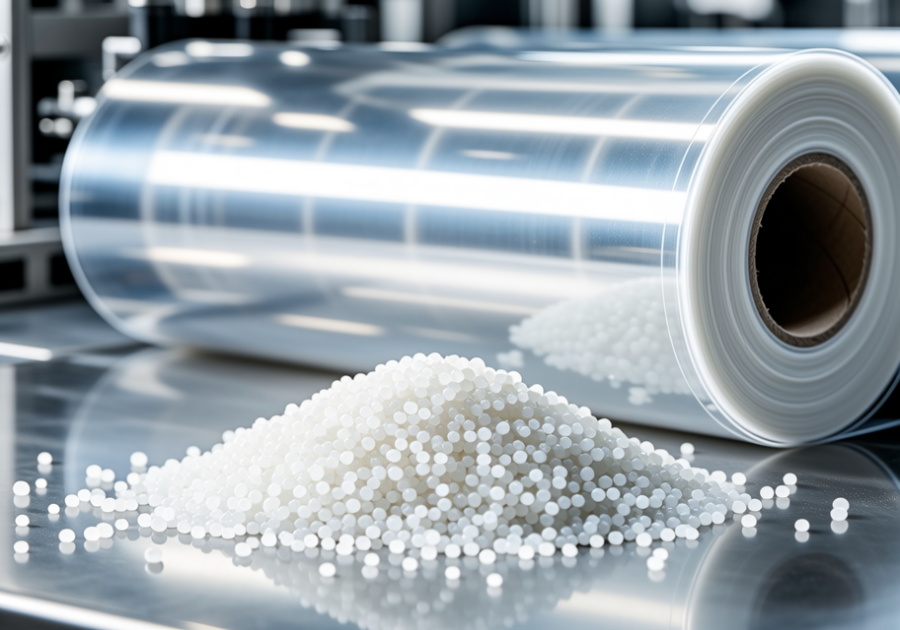
Clariant is increasing the number of renewable chemicals in its product mix. These renewable chemicals are produced using renewable raw materials from Neste. Nestor produces chemical monomers from used agricultural wastes such as edible oil. The Avantium Company, headquartered in Amsterdam, the Netherlands, said that the chemical industry was undergoing a transition from using carbon contained in underground oil, coal and natural gas to using carbon contained in plants, man-made carbon and atmospheric carbon dioxide on the ground, as well as a transition to circular economy. The company is using catalytic technology to convert sugar contained in plants into 2,5-furan-dicarboxylic acid and polyvinyl furan-dicarboxylic acid (PEF). PEF is a 100% recyclable plastic with better properties than petroleum-based packaging materials, such as PET. Compared with PET, PEF has stronger performance, better heat resistance, better gas barrier performance, and can be biodegraded in a few years, while the degradation of PET takes hundreds of years. According to Avantium, the market potential of PEF is estimated to exceed 200 billion euros per year ($244 billion per year), the market potential of PEF packaging is estimated to exceed 150 billion dollars per year, and that of textiles is over 40 billion dollars per year. Avantium is planning to build a new plant with an annual output of 5,000 tons of PEF, which is expected to be completed and put into operation in 2023.

You May Interested In


High Quality β-Nicotinamide adenine dinucleotide CAS 53-84-9 NADwith ready stock and best price
$3/UNIT FOB


2026-10-19
Trade Alert
Delivering the latest product trends and industry news straight to your inbox.
(We'll never share your email address with a third-party.)

Related News
-
U.S.-Iran Détente Triggers Oil Price Plunge, Energy and Chemical Sectors Tumble
-
"Zipper-Like" Opening and Closing of Hormuz Coupled with Russian Export Ban Send Energy and Chemical Prices Soaring
-
Global Countries Impose Tariffs on Chinese Chemical Products
-
AUTOMA Chem 2026: Powering Industry 4.0 in Chemistry
-
Chemical Raw Materials: How to Source Quality Suppliers & Understand Grades
-
Big adjustment! Basf quietly closed 11 factories in Germany and transferred to China for plant investment!
-
Fluorine chemical: profit generally declined, under the pressure to expand profit space
-
Chemical production in the 27 EU countries has continued to recover, and the market recovery is still cautious
-
China: The development of green agricultural is the trend, and the future focus is on innovation and quality
-
Bayer: Revenue of 13.765 billion euros( Q1)was in line with expectations
Recommend Reading
-
![Major Fire Hits China-Russia Joint 2.7 Million T/Y Polyolefins Project, Killing 6 Chinese Nationals and Injuring 152 People]()
Major Fire Hits China-Russia Joint 2.7 Million T/Y Polyolefins Project, Killing 6 Chinese Nationals and Injuring 152 People
-
![Wanhua's BorsodChem Restarts 650,000 T/Y of MDI and TDI Capacity in Europe]()
Wanhua's BorsodChem Restarts 650,000 T/Y of MDI and TDI Capacity in Europe
-
![Invista Reshuffles Global Nylon 66 Map: Shutting US and UK Plants, Betting Big on China—What Exactly Are They Aiming For?]()
Invista Reshuffles Global Nylon 66 Map: Shutting US and UK Plants, Betting Big on China—What Exactly Are They Aiming For?
-
![DKSH Expands Partnership with Assessa to Distribute Botanical Ingredients Across China]()
DKSH Expands Partnership with Assessa to Distribute Botanical Ingredients Across China
-
![French Cosmetics Exports Poised for First Drop in Over Two Decades in 2025]()
French Cosmetics Exports Poised for First Drop in Over Two Decades in 2025
-
![On January 30, the price of pure benzene in China increased]()
On January 30, the price of pure benzene in China increased
-
![Multiple Positive Factors Support Butadiene Prices Rising Over 29% in January]()
Multiple Positive Factors Support Butadiene Prices Rising Over 29% in January
-
![Cost Maintenance Drives Polyethylene Strength]()
Cost Maintenance Drives Polyethylene Strength
-
![Lanolin: Benefits for Skin, Cosmetic Uses, and Allergy Risks]()
Lanolin: Benefits for Skin, Cosmetic Uses, and Allergy Risks
-
![2025 Epoxy Chloropropane Market Review and 2026 Outlook in China]()
2025 Epoxy Chloropropane Market Review and 2026 Outlook in China