




Active Pharmaceutical Ingredients
- • Respiratory Drugs (114)
- • Hormones and the Endocrine System (279)
- • Antipyretic Analgesics (171)
- • Antiallergic Drugs (103)
- • Antiparasitic Drugs (130)
- • Antibiotics (545)
- • Antineoplastic Agents (294)
- • Anesthetic Agents (79)
- • Urinary System Drugs (52)
- • Other Chemical Drugs (947)
- • Synthetic Anti-infective Drugs (599)
- • Nervous System Drugs (349)
- • Fluid, Electrolyte, and Acid-base Balance (48)
- • Vitamins and Minerals Medicines (106)
- • Digestive System Drugs (197)
- • Blood System Drugs (85)
- • Circulatory System Drugs (426)
- • Diagnostic Agents (58)
- • Specialty Drugs (107)
- • Drug Metabolism (23)
- • Feed Additive (22)
- • Anti-stress Drugs (1)
- • Drugs Influencing Immune Function (14)
- • Veterinary Raw Materials (24)
- • Inhibitor Drugs (82)
Related News
-
At the API China 2024 Spectacle: A Grand Recap!
2024-10-18 -
The 89th API China & The 27th CHINA-PHARM Exhibition Opened
2024-06-05 -
Overview of China's API industry in 2023
2023-02-01 -
Global Analysis of Active Pharmaceutical Ingredient (API)
2023-01-28 -
Professional and technical dry goods: a brief discussion on the selection of starting materials for chemical synthesis APIs
2022-11-18 -
In 2021, India's Ibuprofen API Export Volume and Price will Fall
2022-06-20


Circulatory System Drugs Featured Products
Sort Circulatory System Drugs Alphabetically
Circulatory System Drugs
Rosuvastatin
(287714-41-4)-

Pharmaceutical Grade / 99%
-

Pharmaceutical Grade / 99%
-

Pharmaceutical Grade / 99%
-

Pharmaceutical Grade / 98.0%


Request for quotation , get quotes from more suppliers.
Rosuvastatin calcium
(147098-20-2)-

Pharmaceutical Grade / 99%
-

Pharmaceutical Grade / 99.70%
-

Pharmaceutical Grade / 99%
-

Pharmaceutical Grade / 99%


Request for quotation , get quotes from more suppliers.
Ramipril
(87333-19-5)-

Pharmaceutical Grade / 99%
-

Pharmaceutical Grade / 99%
-

Pharmaceutical Grade / 99%
$1/KG EXW
-

Pharmaceutical Grade / 99%


Request for quotation , get quotes from more suppliers.
-

Pharmaceutical Grade / 98%
-

Pharmaceutical Grade / 99%
-

Pharmaceutical Grade / 99.9%
$60-75/G FOB
-

Pharmaceutical Grade / 99%
$1/KG EXW



Request for quotation , get quotes from more suppliers.
Rilmenidine
(54187-04-1)-

Pharmaceutical Grade / 99.9%
-

Pharmaceutical Grade / 99.5%
-

Industrial Grade / pharmaceutical grade / 99%
$1/MT EXW
-

- / 99.00%

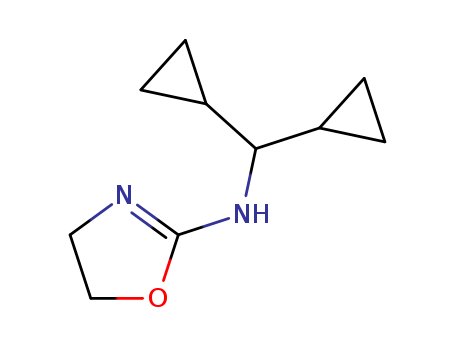
Request for quotation , get quotes from more suppliers.
Source Circulatory System Drugs Products Supply
Resibufogenin
(465-39-4)-

pharmaceutical grade / 99%
$1/KG EXW
-

Industrial Grade / pharmaceutical grade / 99%
-

- / 99.00%
-

Industrial Grade / 99%


Request for quotation , get quotes from more suppliers.
-

- / 99.00%
-

-

Industrial Grade / 98%
-

Industrial Grade / 99%


Request for quotation , get quotes from more suppliers.
-
![buy tert-Butyl (E)-3,5-dihydroxy-7-[3'-(4''-fluorophenyl)-1'-methylethyl-indol-2'-yl]-6-heptenoate]( "tert-Butyl (E)-3,5-dihydroxy-7-[3'-(4''-fluorophenyl)-1'-methylethyl-indol-2'-yl]-6-heptenoate")
Industrial Grade / -
-
![buy tert-Butyl (E)-3,5-dihydroxy-7-[3'-(4''-fluorophenyl)-1'-methylethyl-indol-2'-yl]-6-heptenoate]( "tert-Butyl (E)-3,5-dihydroxy-7-[3'-(4''-fluorophenyl)-1'-methylethyl-indol-2'-yl]-6-heptenoate")
Industrial Grade / 99.0%
-
![buy tert-Butyl (E)-3,5-dihydroxy-7-[3'-(4''-fluorophenyl)-1'-methylethyl-indol-2'-yl]-6-heptenoate]( "tert-Butyl (E)-3,5-dihydroxy-7-[3'-(4''-fluorophenyl)-1'-methylethyl-indol-2'-yl]-6-heptenoate")
-
-3,5-dihydroxy-7-(3'-(4''-fluorophenyl)-1'-methylethyl-indol-2'-yl)-6-heptenoate")
![buy tert-Butyl (E)-3,5-dihydroxy-7-[3'-(4''-fluorophenyl)-1'-methylethyl-indol-2'-yl]-6-heptenoate](https://file.echemi.com/fileManage/upload/canonicalSmiles/20220812/26045b92918f40a38ebb4616209fd01a.png "tert-Butyl (E)-3,5-dihydroxy-7-[3'-(4''-fluorophenyl)-1'-methylethyl-indol-2'-yl]-6-heptenoate")
![buy tert-Butyl (E)-3,5-dihydroxy-7-[3'-(4''-fluorophenyl)-1'-methylethyl-indol-2'-yl]-6-heptenoate](https://file.echemi.com/fileManage/upload/cas/39/6877a8d9-f666-4281-a75b-511177283f84.gif "tert-Butyl (E)-3,5-dihydroxy-7-[3'-(4''-fluorophenyl)-1'-methylethyl-indol-2'-yl]-6-heptenoate")
Request for quotation , get quotes from more suppliers.
-

-

-

Industrial Grade / 99%
-


Request for quotation , get quotes from more suppliers.
-

Industrial Grade / 99%
-

-

-

Industrial Grade / 99%


Request for quotation , get quotes from more suppliers.
Source Circulatory System Drugs Raw Materials by Region


Frequently Asked Questions
Circulatory system drugs are medications designed to treat conditions affecting the heart and blood vessels. They are commonly used to manage hypertension (high blood pressure), heart failure, arrhythmias, angina, and to prevent blood clots. These drugs help regulate blood flow, reduce cardiac workload, and improve overall cardiovascular function, playing a critical role in both acute and chronic cardiovascular care.
The main types of circulatory system drugs include:1. Antihypertensives (e.g., ACE inhibitors, beta-blockers, calcium channel blockers) for lowering blood pressure.2. Antiarrhythmics to stabilize irregular heart rhythms.3. Vasodilators that widen blood vessels to improve blood flow.4. Anticoagulants and antiplatelets (e.g., warfarin, aspirin) to prevent clot formation.5. Diuretics to reduce fluid buildup and lower blood pressure.Each class targets specific mechanisms within the cardiovascular system to achieve therapeutic effects.
To choose a reliable supplier for circulatory system active pharmaceutical ingredients (APIs), consider the following criteria:1. Regulatory compliance—ensure the supplier holds certifications such as GMP, FDA approval, or EMA authorization.2. Quality assurance—verify robust testing protocols, documentation (e.g., COA, DMF), and traceability of raw materials.3. Manufacturing consistency—assess batch-to-batch reproducibility and scalability.4. Technical support and regulatory expertise to assist with global market requirements.Selecting a vetted, experienced API manufacturer minimizes risk and ensures drug safety and efficacy.
Circulatory system drug intermediates must adhere to stringent quality standards to ensure final drug safety and performance. Key standards include compliance with ICH guidelines, GMP (Good Manufacturing Practice), and pharmacopeial specifications (e.g., USP, EP). Impurity profiles, residual solvents, and structural identity must be rigorously controlled. Reputable manufacturers conduct comprehensive analytical testing (HPLC, GC, NMR) and maintain full documentation for regulatory submissions.
Yes, circulatory system drugs may cause side effects depending on the drug class. For example:- Beta-blockers can lead to fatigue, cold extremities, or bradycardia.- ACE inhibitors may cause a persistent dry cough or hyperkalemia.- Diuretics might result in electrolyte imbalances or dehydration.- Anticoagulants increase bleeding risk.Patients should always use these medications under medical supervision, and healthcare providers monitor for adverse reactions to optimize therapy safety and effectiveness.