




Organic Chemistry
- • Amides (2616)
- • Alcohols, Phenols, Phenol Alcohols (326)
- • Nitrogen Compounds (256)
- • Nitrile Compound (91)
- • Hydrazine or Hydroxylamine Derivatives (212)
- • Quinones (38)
- • Ethers and Derivatives (186)
- • Aldehydes (116)
- • Carboxylic Acids and Derivatives (790)
- • Hydrocarbons and Derivatives (2313)
- • Ketones (73)
- • Inorganic Acid Esters (172)
- • Heterocyclic Ring (344)
- • Organometallic Compounds (973)
- • Organosulfur Compounds (72)
- • Phosphines (726)
- • Organometalate (285)
- • Organic Fluorine Compound (2121)
- • Triazenes (18)
- • Semicarbazides (33)
- • Organoselenium Compounds (28)
- • Nitro Compounds (96)
- • Nitrates (15)
- • Lactones (240)
- • Imines (24)
- • Free Radicals (48)
- • Dioxins and Dioxin-like Compounds (31)
- • Cyanates (31)
- • Coordination Complexes (3059)
- • Boron Compounds (84)
- • Azides (66)
- • Arsenicals (56)
Related News
-
Export warning | since January 1, 2023 in the European Union on imports of Chinese tea will strengthen the controls
2022-12-26 -
Organic coconut oil: One of the best survival and preparedness items to stock up on
2022-11-03 -
Xinhua shares will increase the production capacity of the new flame retardant project by three times
2022-10-28 -
BENEO Push Organic Chicory Root Fiber
2020-06-18 -
Natural ingredients, cleaning and beauty are attracting attention
2019-12-03 -
Strive for more than 2000 certificates of organic products certification
2019-10-18


Organometallic Compounds Featured Products
Sort Organometallic Compounds Alphabetically
Organometallic Compounds
Potassium formate
(590-29-4)-

-

- / 99.00%
-

Industrial Grade / 97%
-

Pharmaceutical Grade / 99%


Potassium tartrate
(921-53-9)-

Chemical Grade / 95%
-

-

Pharmaceutical Grade / 99%
-

Pharmaceutical Grade / 99%


Potassium bitartrate
(868-14-4)-

Pharmaceutical Grade / 99%
-

-
-Potassium hydrogen tartrate")
- / 99.00%
-

Food grade / 99%


Request for quotation , get quotes from more suppliers.
Potassium benzoate
(582-25-2)-

- / 0.00%
-

- / 99.00%
-

Top Product / 99%
-

- / 99%


Request for quotation , get quotes from more suppliers.
-

- / 99.00%
-
 SALT")
Industrial Grade / 99.0%
-
 Acetate")
pharmaceutical grade / 99%
$1/KG EXW
-

Industrial Grade / 99%



Request for quotation , get quotes from more suppliers.
Source Organometallic Compounds Products Supply
Potassium hydrogen phthalate
(877-24-7)-

Industrial Grade / 99%
-

Industrial Grade / 99%
-

-

Pharmaceutical Grade / 99%

Request for quotation , get quotes from more suppliers.
-

- / 0.00%
-

-

Food grade / 99%
-

- / 99.00%


Request for quotation , get quotes from more suppliers.
Potassium 2-ethylhexanoate
(3164-85-0)-

Industrial Grade / 99%
-

-

-

- / 0.00%


Request for quotation , get quotes from more suppliers.
Phenylmagnesium bromide
(100-58-3)-

-

Industrial Grade / 99%
-

Industrial Grade / 99.0%
-


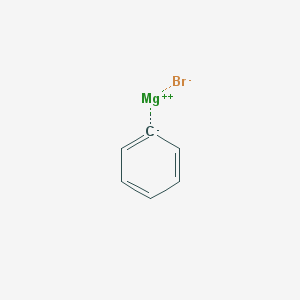

Request for quotation , get quotes from more suppliers.
Phenylmagnesium chloride
(100-59-4)-

- / 99.00%
-

Pharmaceutical Grade / 99%
-

Industrial Grade / 99.0%
-


Request for quotation , get quotes from more suppliers.
Source Organometallic Compounds Raw Materials by Region


More Information
Organic compounds and organometallic compounds
In the most restrictive way, organic compounds are substances that are primarily made up of carbon and hydrogen elements. Research has proven that organic compounds are composed of very few elements, in addition to carbon and hydrogen, there are oxygen, sulfur, nitrogen, phosphorus, halogens, and other elements.
Organic compounds that contain at least one bond between a carbon atom and a metal atom are organometallic compounds. The different ways in which organometallic compounds are transforming our lives are remarkable. In addition to being key ingredients in adhesives, composites, and coatings, they are also at the forefront of the pharmaceutical industry. They are well stabilized in solution. Organolithium compounds, organomagnesium compounds, and organoaluminum compounds are strongly reducing agents and can be used as catalysts in many pharmaceutical projects.
Here are several organometallic compounds examples:
● Molasses
● Calcium stearate
● Dibutyltin dilaurate
● Trisodium citrate
Frequently Asked Questions
Organometallic compounds are chemical substances that contain at least one bond between a carbon atom of an organic molecule and a metal atom. They play a crucial role in modern synthetic chemistry, especially in catalysis, pharmaceutical manufacturing, and materials science. Common examples include Grignard reagents, organolithium compounds, and transition metal complexes like palladium catalysts used in cross-coupling reactions. Their unique reactivity enables the formation of complex molecular structures with high selectivity and efficiency.
Organometallic compounds are widely used across several industries:1. In pharmaceuticals, they serve as key reagents or catalysts in synthesizing active pharmaceutical ingredients (APIs).2. In agrochemicals, they help build complex molecules for pesticides and herbicides.3. In polymer production, they act as catalysts for creating specialty plastics and elastomers.4. In electronics, certain organometallics are used in OLEDs and semiconductor manufacturing.Their versatility makes them indispensable in advanced chemical manufacturing processes.
Due to their high reactivity—often with air, moisture, or water—organometallic compounds require careful handling and storage. Best practices include:1. Storing under inert atmospheres such as nitrogen or argon.2. Using airtight, moisture-resistant containers, often with septum seals.3. Keeping them in cool, dry environments away from oxidizers or protic solvents.4. Following strict safety protocols, including the use of personal protective equipment (PPE) and working in fume hoods.Always consult the Safety Data Sheet (SDS) for specific handling instructions before use.
When sourcing organometallic compounds, buyers should evaluate:1. Purity and assay specifications, as impurities can significantly affect reaction outcomes.2. Supplier certifications, such as ISO or REACH compliance, and adherence to Good Manufacturing Practices (GMP) where applicable.3. Packaging integrity and shipping conditions, especially for air- or moisture-sensitive materials.4. Technical support availability and batch-to-batch consistency.5. Regulatory documentation and traceability of raw materials.Selecting a reputable supplier ensures reliability, safety, and performance in sensitive chemical applications.
Yes, organometallic compounds are integral to many green chemistry strategies. Transition metal catalysts—such as those based on palladium, nickel, or iron—enable reactions with higher atom economy, lower energy requirements, and reduced waste generation. For example, cross-coupling reactions using organometallic catalysts allow chemists to construct complex molecules in fewer steps and with less solvent use. Additionally, research into earth-abundant and less toxic metals aims to replace rare or hazardous metals, further aligning organometallic chemistry with sustainability goals.