




BP: Global primary energy consumption growth rate slowed to 1.3%
On June 17, BP released the 69th edition of BP World Energy Statistical Yearbook. The Yearbook shows that the world is embarking on a more sustainable path, such as renewable energy maintaining strong growth. At the same time, various trends such as the continuous growth of carbon emissions have highlighted the enormous challenges facing the global goal of achieving net zero.
The main points of the 2020 edition of the Yearbook are as follows:
In 2019, the growth rate of global primary energy consumption slowed to 1.3%, which was less than half of the previous annual growth rate (2.8%).
The carbon emissions caused by energy consumption, on the basis of an unusually large increase of 2.1% in 2018, increased by 0.5% in 2019, which was slightly relaxed. The average annual growth rate of carbon emissions in 2018 and 2019 is higher than the average growth rate in the past decade.
Last year, renewable energy growth reached a record high (3.2 gigajoules), accounting for more than 40% of global primary energy growth, higher than other types of fuel. The share of renewable energy in the field of power generation (10.4%) exceeded that of nuclear power for the first time.
Natural gas consumption increased by 2%, far below the strong growth rate in 2018, but the proportion of primary energy (24.2%) is still a record high. Natural gas production increased by 3.4%, driven by a record increase in LNG exports (54 billion cubic meters).
The increase in oil consumption was 900,000 barrels/day, which was lower than the historical average (about 0.9% increase); meanwhile, the total demand for various types of liquid fuels including biofuels reached 100 million barrels/day, the highest ever .
Affected by the sharp decline in demand from OECO countries, coal consumption has decreased by 0.6% and its share of primary energy has fallen to 27%, the lowest in the past 16 years. However, coal is still the most important energy source for power generation, accounting for more than 36% of the world's total power generation.
China accounted for more than three-quarters of the net increase in global energy consumption, and the United States and Germany both recorded the largest declines in history.

You May Interested In




2026-07-26
Trade Alert
Delivering the latest product trends and industry news straight to your inbox.
(We'll never share your email address with a third-party.)

Related News
-
"Zipper-Like" Opening and Closing of Hormuz Coupled with Russian Export Ban Send Energy and Chemical Prices Soaring
-
2026 Week 19 Commodity Weekly Report: Chemicals Lead Decline, Energy and Non-ferrous Metals Show Strength in Some Areas
-
BP Looks to Sell German Refinery in Gelsenkirchen
-
in-cosmetics Global 2024
-
BP selects KBR as contractor for hydrogen energy project
-
Equinor buys Suncor's BP assets for $1 billion
-
Total energy consumption will increase by 2.9% in 2022
-
bp buys US TravelCenters for US$1.3 billion
-
Qatar Energy CP Chemical Co-construction of Ras Lavan Petrochemical Plant
-
BP increases investment in oil and gas in the United States
Recommend Reading
-

Haldia Petrochemicals Pipeline Fire in India Adds Uncertainty to Asia's Naphtha Market
-

Sinochem International Acquires Nantong Xingchen for 2.11 Billion Yuan, Rike Chemical Plans Genyuan New Materials Acquisition – The Changing Landscape of Chemical M&A
-
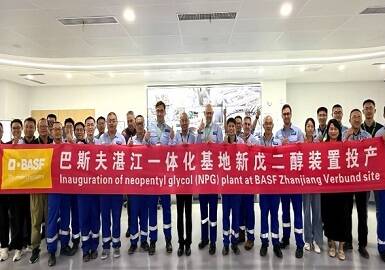
BASF’s Zhanjiang Integrated Site Commissions New Neopentyl Glycol (NPG) Unit
-

BASF and IFF Collaborate to Accelerate Innovation in Enzymes and Polymers
-

When Light Falls on Metal: The Industrial Romance of Xiaomi × BASF
-

Recent Dramatic Fluctuations in Lithium Carbonate Prices in China
-

Shandong Cyclohexanone Market Has Experienced Volatile Movements Since November
-

Supply-Demand Struggle Continues, Acrylic Market Remains Weak
-

November hydrogen peroxide market shows weak downward trend in China
-
A Chart to Understand Lithium Carbonate VS Lithium Hydroxide, the Divergence of the Two Lithium Salts in China's Lithium Battery Industry