EU approves vitamin D2 mushroom powder as a nutritional supplement
Not long ago, the European Commission issued Implementation Regulations (EU) 2020/1163, according to European Parliament and Council Regulations (EU) 2015/2283, authorizing the use of vitamin D2 mushroom powder on the market as a new type of food for breakfast cereals and juice , Fruit and vegetable mixed beverages and special foods (excluding foods for infants and young children).
At the beginning of this year, at the request of the European Commission, the EU Food Safety Agency (EFSA) Nutrition, New Foods and Food Allergens Group (NDA) issued opinions on the safety of vitamin D2 mushroom powder as a new type of food. safe. Vitamin D2 mushroom powder was certified by the European Union in only half a year from safety assessment to approval, which shows that it has good application feasibility.
In 2018, the U.S. Environmental Protection Agency issued regulations in response to enterprise applications, intending to approve vitamin D2 mushroom powder as a nutritional supplement to be used in foods that allow the addition of vitamin D2, vitamin D3 and vitamin D2 baker’s yeast (excluding cheese and cheese products, used in intestines) The only source of nutrition is food, infant formula, milk and dairy products, and margarine), fruit smoothies, vegetable juices, puffed vegetable snacks, soups and soup mixtures, and vegetable protein products.
On July 11, 2020, the U.S. Federal Register issued Document No. 2020-13822. The U.S. Food and Drug Administration plans to include vitamin D2 mushroom powder as a nutritional supplement into a food additive that allows direct use. The proposed additions in the opinions include 4 categories of cereal breakfast, fruit salad, cereal products, pasta and soy products.
It can be seen that the certification of the two major nutritional markets will accelerate the globalization of vitamin D2 mushroom powder.
In terms of application, the EU and the US have their own strengths. The EU pays more attention to the curve between dosage and effect. For example, the content in breakfast cereals is only 2.25 micrograms/100g, in beverages it is only 1.125 micrograms/100g, but in special medical products it is as high as 15 micrograms/day .
The United States places more emphasis on nutrition in the scope of application. The content of vitamin D2 mushroom powder in breakfast cereals is as high as 8.75μg/100g, while it is maintained at 2.2-2.5μg/100g in other products. According to the daily intake of 10 micrograms of vitamin D, the limit of vitamin D2 mushroom powder is within the appropriate range.
Vitamin D is a sterol derivative. Its main physiological function is to regulate calcium and phosphorus metabolism in the body and maintain plasma calcium and phosphorus levels. In fact, vitamin D has more than 10 different molecular forms, of which vitamin D2 and vitamin D3 are the two most common products.
Vitamin D2 mushroom powder is not much different from vitamin D2 and D3 in effect.
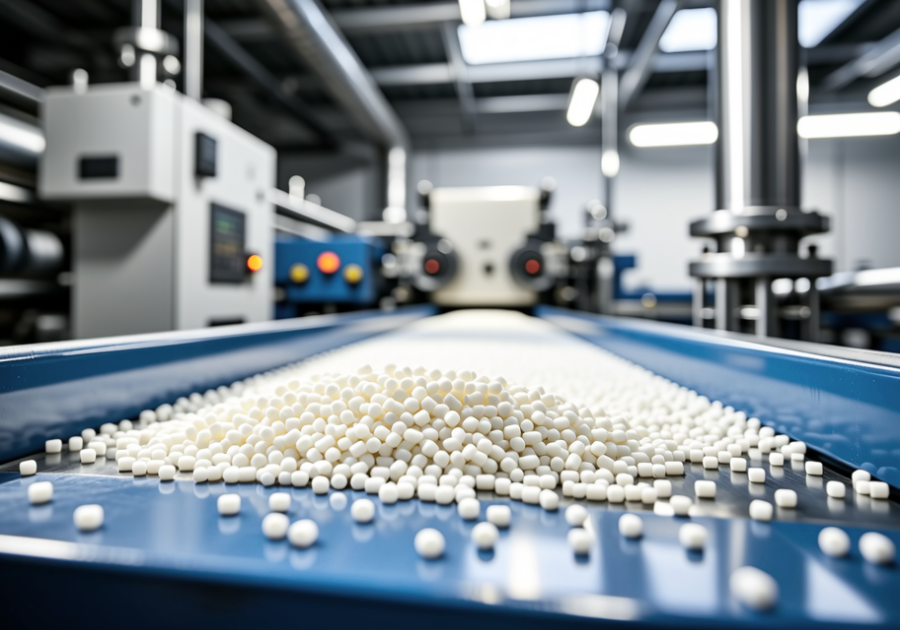
Vitamin D2 mushroom powder is made by exposing homogeneous edible fungi to ultraviolet rays. Under the photochemical reaction, the content of vitamin D2 in mushroom powder is significantly increased, which can achieve the purpose of vitamin D supplementation.
Studies have pointed out that there are many types of vitamin D in mushroom powder after UV exposure. It not only contains vitamin D2, but also produces D3, D4 and other D vitamins. In addition, mushroom powder itself is also a very good nutritional raw material, and its role in enhancing the overall value of the product cannot be ignored.
From the perspective of sources and development trends, environmentally friendly, natural and sustainable raw materials will be more in line with the needs of the development of the times. Mushroom powder is a sustainable and renewable resource. Compared with traditional animal sources or artificial synthesis, the vitamin D produced by mushroom powder has the advantages of safety, environmental protection, and regeneration. Under the increasingly severe situation of environmental protection and resource pressure, the market space for vitamin D2 mushroom powder will be a blue ocean.

You May Interested In


High Quality β-Nicotinamide adenine dinucleotide CAS 53-84-9 NADwith ready stock and best price
$3/UNIT FOB


2026-09-27
Trade Alert
Delivering the latest product trends and industry news straight to your inbox.
(We'll never share your email address with a third-party.)

Related News
-
Antidumping Pressure Hits the Chemical Chain as Chinese Exports Face Higher Barriers in Europe
-
Sichuan Unveils Revised List of 14 Qualified Chemical Parks in Major Industrial Realignment
-
From Painting Walls to Total Collapse: The RMB 152 Million Debt That Tore Off the Last Veil of Asia Chuangneng’s Paint Empire
-
South Korea Approves Yeosu Restructuring Plan, Permanently Retiring 1.39 Million Tons of Ethylene Capacity
-
ARLANXEO Launches State-of-the-Art HNBR Plant in Changzhou, Strengthening Asia-Pacific Supply
-
India Swings the Tariff Axe at Made-in-China: Epoxy Resins Are Just the Beginning—The Road for Chinese Chemicals Abroad Is No Longer Smooth
-
The Revenge of Titanium Dioxide: When a Ton of Pigment Ignites a Silent Uprising in China’s Chemical Industry
-
Japan Begins Construction of the World’s Largest Commercial Liquid Hydrogen Receiving Terminal
-
France’s Wheat Rebounds—But Only Briefly Against a Tsunami of Cheap Grain
-
Corn’s Surprise Surge: Export Fireworks Ignite Bullish Sentiment
Recommend Reading
-
![Brazil Redefines “Milk”: New Rules Force Honesty on Dairy Labels]()
Brazil Redefines “Milk”: New Rules Force Honesty on Dairy Labels
-
![Canada’s Infant Formula Gets a Risk-Based Makeover]()
Canada’s Infant Formula Gets a Risk-Based Makeover
-
![Wheat Drowns in a Sea of Plenty: Global Glut Crushes Price Hopes]()
Wheat Drowns in a Sea of Plenty: Global Glut Crushes Price Hopes
-
![EFSA Eyes Higher Dodine Limits in Grapes—Safety Assured, Critics Wary]()
EFSA Eyes Higher Dodine Limits in Grapes—Safety Assured, Critics Wary
-
![Canada Caffeinates Candy—With Warnings Attached]()
Canada Caffeinates Candy—With Warnings Attached
-
![Premium Global Chemical Sourcing Requests (4-7Jun, 2026)]()
Premium Global Chemical Sourcing Requests (4-7Jun, 2026)
-
![Downstream Stockpiling Intentions Low at Year-End; PP Market Remains Relatively Weak]()
Downstream Stockpiling Intentions Low at Year-End; PP Market Remains Relatively Weak
-
![Business Society’s Trend Analysis for Fuel Oil 180CST on September 18, 2026: Fluctuating with a Tendency to Strengthen]()
Business Society’s Trend Analysis for Fuel Oil 180CST on September 18, 2026: Fluctuating with a Tendency to Strengthen
-
![This week, the market price of propylene oxide in China has risen (12.1-12.3)]()
This week, the market price of propylene oxide in China has risen (12.1-12.3)
-
![Cost Support: Butadiene Rubber Market Prices Rise Sharply]()
Cost Support: Butadiene Rubber Market Prices Rise Sharply