BASF integration project starts the development of propylene market competition
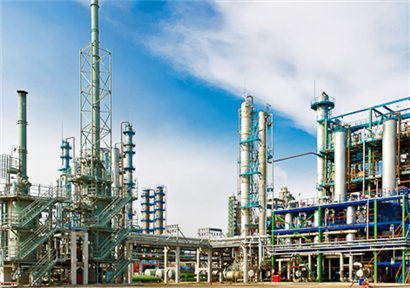
With the coming of a new round of global petrochemical production capacity release peak, domestic large-scale refining and chemical integration project products have gradually entered the market. With the increase of production capacity, the market participants are also increasing, and the competition is increasingly fierce. However, the supply and demand gap of olefins in China and the high prosperity of the industry have attracted the attention of domestic and foreign investors. With the relaxation of foreign investment access requirements for petrochemical projects and the cancellation of restrictions on the proportion of joint ventures, foreign capital continues to enter China, and many international petrochemical giants have announced that they will build wholly-owned olefin projects in China. On November 23, BASF (Guangdong) integration base project was launched in Donghai Island Petrochemical Industrial Park, Zhanjiang Economic and Technological Development Zone, Guangdong Province, and the first batch of units were started to be built. This project is the first large-scale foreign-owned Petrochemical integration project in China, marking that our further expansion and opening-up measures are being implemented, which will promote the cooperation between China and Germany in the field of manufacturing industry New steps. The project is also a large-scale foreign investment project of BASF Group so far. According to the plan, the upstream and downstream production units of the whole base from basic chemicals to consumer goods will form an integrated value chain to support growth industries such as consumer goods and transportation. The first unit of the base will be put into operation in 2022, while the whole integrated base is expected to be completed in 2030.
At present, the main production capacity of propylene in China is concentrated in the oil production line, including steam cracking and catalytic cracking. Steam cracking is mainly concentrated in the subordinate enterprises of Sinopec and PetroChina, while catalytic cracking is mainly distributed in the relatively small local refineries. In recent years, due to the recovery of international crude oil price, the high cost of oil production has also stimulated the germination of new technologies. The new entrants are mainly coal to olefin, PDH and refining and chemical integration enterprises. Under the pressure of China's coal overcapacity and coal industry transformation and development, the driving force for the development of coal to olefin process is good, and the enthusiasm of the industry is not reduced. In terms of PDH, the price difference between imported propane and propylene has remained high for many years, and the price difference has remained relatively stable. The high price difference enables the PDH project to maintain a high income and promote the industry's enthusiasm for investment. In the future, China's propane dehydrogenation capacity will continue to expand. At present, China has formed seven petrochemical industry bases, most of which are equipped with ten million tons of refining units and one million tons of ethylene units. In the future, the large-scale refining and chemical integration project will become the main force of propylene capacity expansion in China. Some integration projects also favor the combination of traditional routes and emerging processes, such as Zhejiang Petrochemical Co., Ltd. supporting PDH device on the basis of traditional cracking process. The pattern of China's Propylene producers has changed significantly, the market share of two barrels of oil has declined significantly, and the main market competitors are developing in the direction of diversification.

You May Interested In


Glow70/KLOW80 99% China Peptides Warehouse Direct Delivery Lyophilized Powder in Stock
$169/UNIT FOB


2026-10-13
Trade Alert
Delivering the latest product trends and industry news straight to your inbox.
(We'll never share your email address with a third-party.)

Related News
-
BASF and Evonik Rumored Potential Acquisition or Merger
-
BASF and Thailand’s NEO Corporate Enter Joint Development Partnership in Personal Care
-
BASF Raises North American Nylon Products by $0.08/lb, Fourth Price Increase in Six Months
-
First New UV Filter in Nearly 27 Years: BASF's Tinosorb® S Approved by FDA, Marking a Historic Shift for the U.S. Sunscreen Market
-
Multiple Chemical Industry Leaders Post Strong H1 Earnings Growth as Sector Profitability Revives
-
The Crop Protection Patent Cliff Is Here
-
BASF's Intensified Moves from May to June: Plant Closures, Divestitures, and Transformation in Sync
-
EU Clears Carlyle's Acquisition of BASF's Coatings Business, but Demands Divestment of Nouryon's Polysulfide Assets: What Are the Underlying Risks?
-
BASF, Covestro, Huntsman Raise MDI Prices in North America Amid Global Supply Crunch
-
BASF Launches Global Expansion Plan for Aroma Ingredients
Recommend Reading
-
![Lotte Chemical Plans Sale of Selected Operations in Malaysia, Indonesia, and the United States]()
Lotte Chemical Plans Sale of Selected Operations in Malaysia, Indonesia, and the United States
-
![“Falling Revenue, Soaring Profits”: Is AkzoNobel’s Financial Alchemy Real Muscle—or Just Smoke and Mirrors?]()
“Falling Revenue, Soaring Profits”: Is AkzoNobel’s Financial Alchemy Real Muscle—or Just Smoke and Mirrors?
-
![Givaudan to Build New Fragrance Compounding Facility in Pedro Escobedo, Mexico]()
Givaudan to Build New Fragrance Compounding Facility in Pedro Escobedo, Mexico
-
![Fracturing the Crown: BASF Antwerp’s 600-Job Cut and the Global Alarm]()
Fracturing the Crown: BASF Antwerp’s 600-Job Cut and the Global Alarm
-
![Procter & Gamble Posts Higher Profits on Strong Personal Care Sales and Recovery in China]()
Procter & Gamble Posts Higher Profits on Strong Personal Care Sales and Recovery in China
-
![Firm Costs and Weak Demand Lead to High-Level Fluctuations in the Chinese PTA Market]()
Firm Costs and Weak Demand Lead to High-Level Fluctuations in the Chinese PTA Market
-
![Expected Short-term Peak Season Surge, This Week's Polyester Chip Market in China Shows High-level Fluctuations]()
Expected Short-term Peak Season Surge, This Week's Polyester Chip Market in China Shows High-level Fluctuations
-
![Bullish Factors Remain, April Adipic Acid Prices in China Expected to Rise]()
Bullish Factors Remain, April Adipic Acid Prices in China Expected to Rise
-
![Positive Factors Drive March Butanol Price Increase by Over 40%]()
Positive Factors Drive March Butanol Price Increase by Over 40%
-
![Surge by 4,000 CNY/ton! Is the melamine market in China showing signs of peaking?]()
Surge by 4,000 CNY/ton! Is the melamine market in China showing signs of peaking?