




Cosmetic Ingredient
Get Cosmetic Ingredient Raw Materials by RegionCosmetic Ingredient
- • Abrasive (124)
- • Absorbent (84)
- • Anticaking (66)
- • Anticorrosive (25)
- • Antifoaming (19)
- • Antimicrobials (291)
- • Antioxidant Ingredient (395)
- • Antiperspirant (20)
- • Antiplaque (48)
- • Anti-seborrheic (38)
- • Anti-sebum (39)
- • Antistatic (458)
- • Astringent (162)
- • Binding Agent (172)
- • Bleaching Agent (53)
- • Buffering (191)
- • Bulking (109)
- • Chelating (122)
- • Cleansing (680)
- • Cosmetic Colorant (212)
- • Cosmetic Preservative (158)
- • Denaturant (45)
- • Deodorant (98)
- • Depilatory (27)
- • Dissolving Agent (298)
- • Emollient (796)
- • Emulsifying Agent (482)
- • Emulsion Stabilising (154)
- • Exfoliating (19)
- • Film Forming (299)
- • Flavouring (72)
- • Foam Boosting (161)
- • Foaming (101)
- • Fragrance Ingredient (733)
- • Gel Forming (19)
- • Hair Conditioning (672)
- • Hair Dyeing (363)
- • Hair Fixing (36)
- • Hair Waving or Straightening (45)
- • Humectant (282)
- • Hydrotrope (92)
- • Keratolytic (20)
- • Light Stabilizer (80)
- • Moisturising Agent (50)
- • Nail Conditioning (42)
- • Occlusive (20)
- • Opacifying (119)
- • Oral Care (123)
- • Oxidising (19)
- • Perfuming (2106)
- • Plasticiser (98)
- • Propellant (19)
- • Reducing (52)
- • Refatting (12)
- • Refreshing (27)
- • Skin Cleansing (388)
- • Skin Conditioning (1753)
- • Skin Humectant (21)
- • Skin Protecting (282)
- • Smoothing (32)
- • Soothing (72)
- • Tonics (155)
- • UV Filter (34)
- • Viscosity Controlling (532)
Chemicals as Skincare Ingredients
Related News
-
Univar Solutions Expands Partnership with American Distilling in EMEA to Strengthen Natural Specialty Ingredients Distribution Network
2026-07-02 -
FDA approves bemotrizinol, a long-used UV filter, for U.S. sunscreens
2026-06-11 -
Toray to Transfer Stake in Soda Aromatic to Samyang
2026-06-08 -
Rising Naphtha Prices in Japan Drive Up Costs for Diapers, Sanitary Products, and Cosmetics
2026-05-26 -
BASF Launches Global Expansion Plan for Aroma Ingredients
2026-05-07 -
BASF Launches Global Expansion Plan for Aroma Ingredients
2026-05-07


Related Products Price


Cosmetic Ingredient Featured Categories
Cosmetic Ingredient Suppliers
7-Dehydrocholesterol
CAS No: 434-16-2
Formula: C27H44O
Categories: Cosmetic Ingredient > Emulsion Stabilising
-

7-Dehydrocholesterol 99% Dideu
Inquiry -

7-Dehydrocholesterol
Inquiry -

Cost-effective sourcing of 99% pure 7-Dehydrocholesterol CAS 434-16-2 raw material
Inquiry -

Factory Supply 99% 7-Dehydrocholesterol Powder cas 434-16-2
$3-3.1/KG FOB
Inquiry


2,4-Dichloro-3,5-dimethylphenol
CAS No: 133-53-9
Formula: C8H8Cl2O
Categories: Cosmetic Ingredient > Antimicrobials


NMDA
CAS No: 6384-92-5
Formula: C5H9NO4
Categories: Cosmetic Ingredient > Antistatic


2,4-Dimethyl-6-tert-butylphenol
CAS No: 1879-09-0
Formula: C12H18O
Categories: Cosmetic Ingredient > Antioxidant Ingredient



Hydrolyzed starch syrups
CAS No: 8029-43-4
Categories: Cosmetic Ingredient > Viscosity Controlling
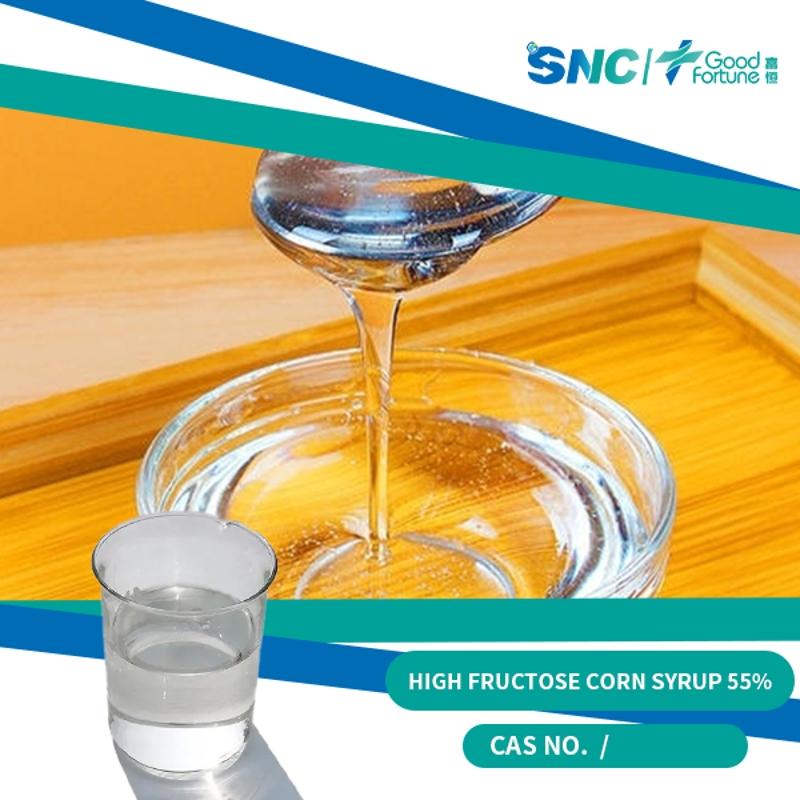


(+)-Sclareolide
CAS No: 564-20-5
Formula: C16H26O2
Categories: Cosmetic Ingredient > Perfuming
-

100% Safe customs clearance high quality Sclareolide CAS 564-20-5 with Best Price Sclareolide
Inquiry -

Sclareolide
Inquiry -

ISO PURE 99% Sclareolide POWDER CAS 564-20-5 Fragrance and Flavor Raw Materials
Inquiry -

Hot Selling Sclareolide 564-20-5 Factory Supply Raw Materials High Qulity Wholesale price
Inquiry


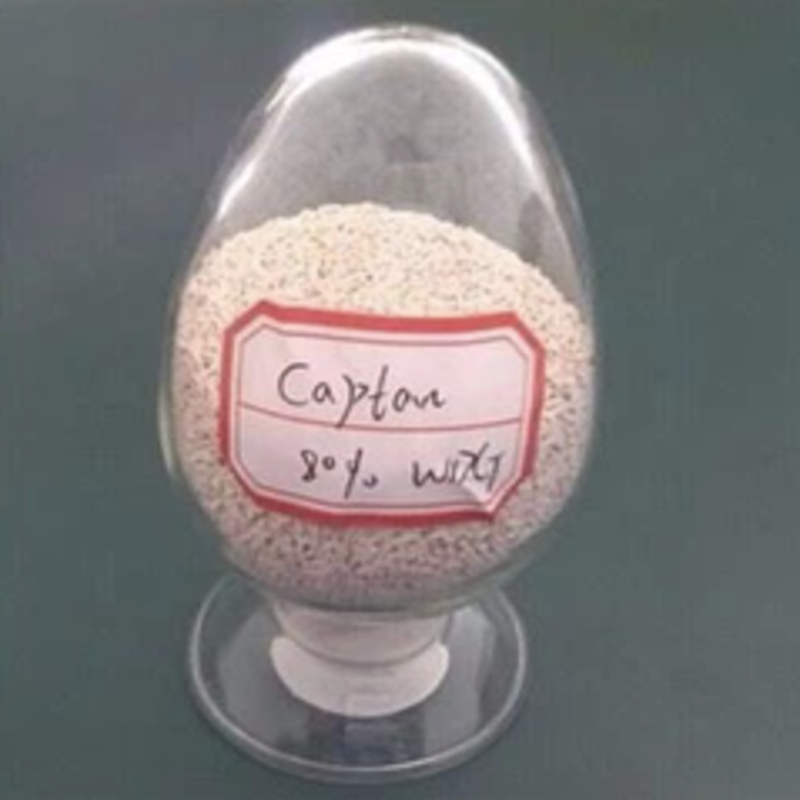
Captan
CAS No: 133-06-2
Formula: C9H8Cl3NO2S
Categories: Cosmetic Ingredient > Antimicrobials
-

Captan
Inquiry -

Captan Broad-Spectrum Fungicide for Effective Disease Control
Inquiry -

captan 80% WDG 80% WP 450g/l SC 40% SC fungicide for plants top 1 manufacturer
Inquiry -

Captan
Inquiry



Dequalinium chloride
CAS No: 522-51-0
Formula: C30H40N4.2Cl
Categories: Cosmetic Ingredient > Antiplaque


Petitgrain oil
CAS No: 8014-17-3
Categories: Cosmetic Ingredient > Perfuming
d
20
20
0.882–0.893; n
20
D
1.455–1.463; α
20
D
?5 ° to ?1 °; solubility: 1 vol in 4 vol of 70% ethanol at 20 ℃; acid number:max. 1; ester number: 122–190, corresponding to an ester content of 39–67% (cMore


Jasmone
CAS No: 488-10-8
Formula: C11H16O
Categories: Cosmetic Ingredient > Perfuming


288 Cosmetic Ingredient Suppliers
Short on time? Let Cosmetic Ingredient sellers contact you.
Vetiver oil
CAS No: 8016-96-4
Formula:
Categories: Cosmetic Ingredient > Perfuming
The tenacity of the highly complex vetiver oil is attributed to its high sesquiterpenecontent. The ketones α-vetivone (1–6%) and β-vetivone (2–5%), which usually form up to 10% of thMore
-

Vetivert oil Manufacturer/High quality/Best price/In stock
Inquiry -

Sandalwood Oil
$10/G EXW
Inquiry -

China Largest Manufacturer Supply High Purity Vetivert oil CAS 8016-96-4
Inquiry -
 - TBI")
VETHTI Vetiver Oil (Haiti) - TBI
$180-230/KG FOB
Inquiry
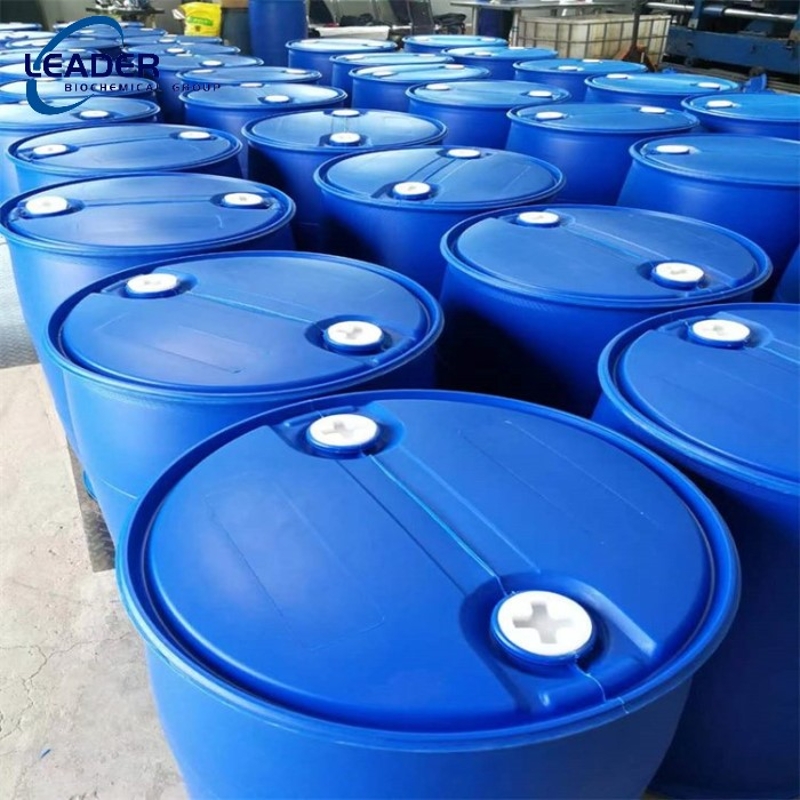

Oils, carrot
CAS No: 8015-88-1
Formula:
Categories: Cosmetic Ingredient > Skin Conditioning
d
20
20
0.900–0.945; n
20
D
1.4800–1.4930; α
20
D
?30 ° to ?4 °; solubility: 1 vol in max. 2 vol of 90% ethanol; solutions in up to 10 vol of ethanol are clear to opalescent.
The main constituent of carrot seed oil is carotol, which may be present in over 50% concentratiMore


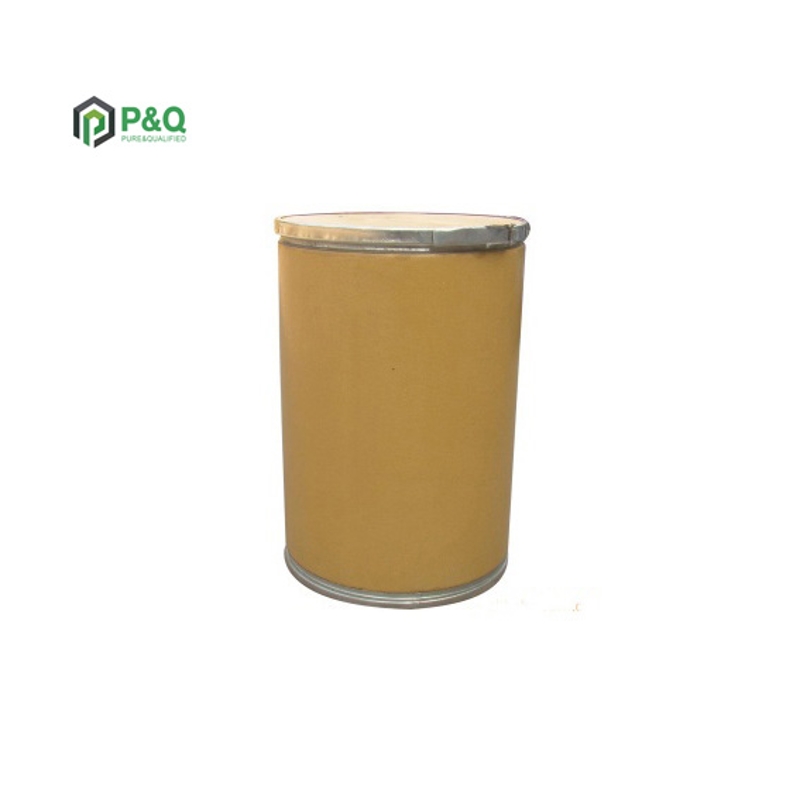
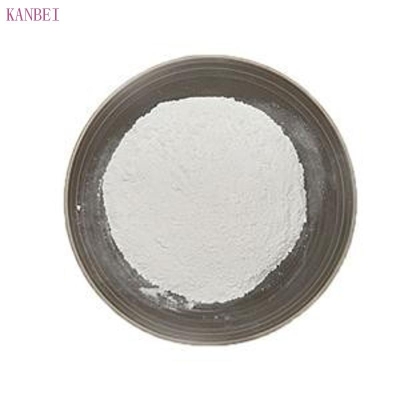
Isoliquiritigenin
CAS No: 961-29-5
Formula: C15H12O4
Categories: Cosmetic Ingredient > Emollient
-

Herbal extract manufacture PNQ supply Isoliquiritigenin
$100-110/UNIT FOB
Inquiry -

China Most Professional Factory Supply High Qulity Isoliquiritigenin CAS 961-29-5
Inquiry -

Isoliquiritigenin 99% white powder kanbei
Inquiry -

Isoliquiritigenin
Inquiry


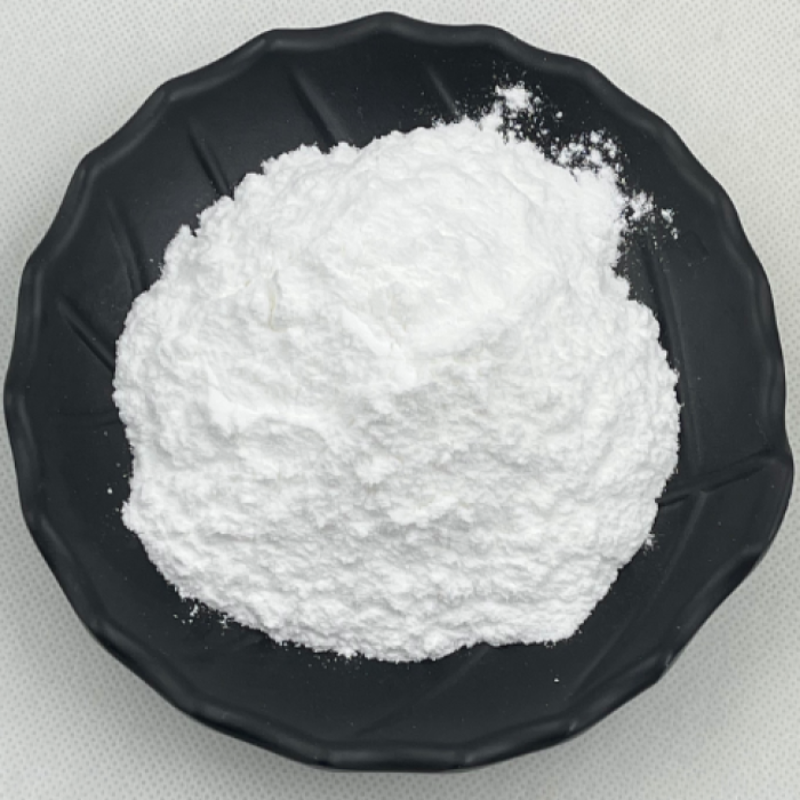
Ethyl gallate
CAS No: 831-61-8
Formula: C9H10O5
Categories: Cosmetic Ingredient > Skin Conditioning


6-Methylquinoline
CAS No: 91-62-3
Formula: C10H9N
Categories: Cosmetic Ingredient > Perfuming
-

6-Methylquinoline 99% high purity certified Professional producer Greenbo
Inquiry -

6-Methylquinoline91-62-3
Inquiry -

6-Methylquinoline
Inquiry -

6-Methylquinoline
Inquiry


Phytosphingosine
CAS No: 554-62-1
Formula: C18H39NO3
Categories: Cosmetic Ingredient > Hair Conditioning
-

High Quality Skin Care Raw Material 95% Phytosphingosine Powder CAS 554-62-1
$1000-1050/KG FOB
Inquiry -

Phytosphingosine
$10/KG EXW
Inquiry -
-2-Amino-1,3,4-octadecanetriol")
(2S,3S,4R)-2-Amino-1,3,4-octadecanetriol
Inquiry -

100% Pure Natural Skin Care Cosmetic Grade 98% CAS 554-62-1 Phytosphingosine
Inquiry


Phenylacetaldehyde
CAS No: 122-78-1
Formula: C8H8O
Categories: Cosmetic Ingredient > Perfuming



(±)-Menthyl acetate
CAS No: 89-48-5
Formula: C12H22O2
Categories: Cosmetic Ingredient > Refreshing


4-Chloro-3-methylphenol
CAS No: 59-50-7
Formula: C7H7ClO
Categories: Cosmetic Ingredient > Cosmetic Preservative
-

4-Chloro-3-methylphenol & PCMC 99% Dideu
Inquiry -

Pcmc 98%
Inquiry -

PCMC 99% White crystal ZSHHY-59-50-7 SHANDONG ZHISHANG CHEMICAL
Inquiry -
")
Pcmc 98%(59-50-7)
Inquiry


1-Phenylethyl acetate
CAS No: 93-92-5
Formula: C10H12O2
Categories: Cosmetic Ingredient > Perfuming


New Arrivals
Most Popular
-

Essential Cellular Coenzyme for Energy Metabolism and Longevity Research
$49/UNIT FOB
-

High Quality NAD+ Research Compound for Experimental Laboratory Use
$49-59/UNIT FOB
-

$1E+1/G FOB
-

Factory Directly Supply GHK-CU Peptide 100mg lyophilized vial CAS 49557-75-7
$29/UNIT FOB


People are searching
Frequently Asked Questions
Cosmetic ingredients can be sourced through online B2B platforms, manufacturers, and specialized distributors. On ECHEMI, buyers can browse a wide range of cosmetic ingredient suppliers, compare specifications, and submit RFQs based on their formulation needs.
Buyers usually evaluate cosmetic ingredients through documentation such as COA (Certificate of Analysis), MSDS, and product specifications. In addition, supplier certifications, production standards, and third-party test reports are also important indicators of quality and reliability.
Natural cosmetic ingredients are derived from plants, minerals, or other naturally occurring sources, while synthetic ingredients are produced through chemical processes. Both can be safe and effective. In fact, many synthetic ingredients are designed to be more stable and consistent than their natural counterparts.
A cosmetic ingredient refers to any substance used in the formulation of personal care and beauty products. These ingredients are added to achieve specific functions, such as moisturizing the skin, cleansing, preserving the formula, adding fragrance, or improving product texture and appearance. Cosmetic ingredients can be natural, synthetic, or a combination of both.