




Agrochemicals
- • Biopesticides (18)
- • Herbicides (281)
- • Insecticides (354)
- • Fungicides (163)
- • Pesticide Intermediates (412)
- • Plant Growth Regulators (56)
- • Fertilizers (25)
Related News
-
China's insecticide import and export data for June
2024-08-02 -
After Sipcam Agro USA acquired the US plant, it quickly laid out to strengthen the North American agrochemical production capacity
2024-07-31 -
Thiamethoxam is again approved for sale, use, production and import in Brazil
2024-05-06 -
Australia has reassessed the pesticide Diazinon and may tighten controls on its use
2024-03-18 -
Two innovative pesticide ingredients, KingAgroot and Nihon Nohyaku, were approved for ISO generic names
2024-01-24 -
In 2023, there were 34 newly registered insecticidal products of sugarcane in China
2024-01-19


Insecticides Featured Products
Insecticides
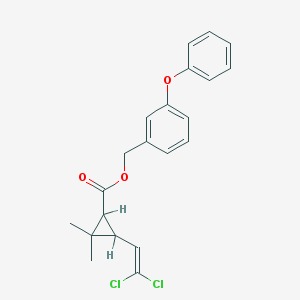
Permethrin
(52645-53-1)-

Agricultural grade / -
-

Industrial Grade / 99%
-

-
 solution 99% powder aly- 52645-53-1 lk")
Pharmaceutical Grade / 99%


-

- / 99.00%
-

Industrial Grade / 99.5%
-

Industrial Grade / 99%
-

Industrial Grade / 99%


Request for quotation , get quotes from more suppliers.
Pyridaben
(96489-71-3)-

-

Pharmaceutical Grade / 99%
-

-

- / 99.00%



Profenofos
(41198-08-7)-

- / 99.00%
-

Industrial Grade / -
-

- / 1000%
-

Industrial Grade / 99%



Request for quotation , get quotes from more suppliers.
-

- / 99.00%
-

Different Grade / 99.9%
$0.1/KG EXW
-

pharmaceutical grade / 99%
$1/KG EXW
-

Pharmaceutical Grade / 99%


Source Insecticides Products Supply
-

Industrial Grade / -
-

Pharmaceutical Grade / 99%
-

- / 97%
-

- / 99.00%


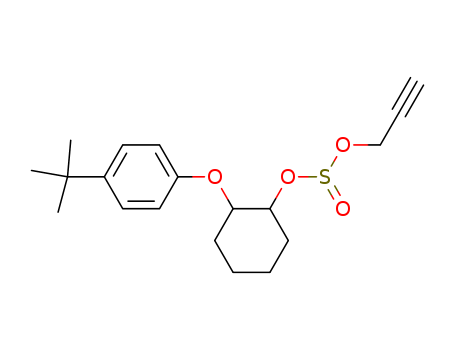
Propargite
(2312-35-8)-

- / 99.00%
-

Industrial Grade / 99%
-

-

Industrial Grade / 99%


Propoxur
(114-26-1)-

Agricultural Grade / 99%
-

Agricultural Grade / 98%
-

- / 99.00%
-

Pharmaceutical Grade / 99%


Request for quotation , get quotes from more suppliers.
-

Industrial Grade / 99%
-

- / 1000%
-

Pharmaceutical Grade / 99%
-


Request for quotation , get quotes from more suppliers.
Pyrethrins
(8003-34-7)-

Agricultural Grade / 99%
-

Agricultural Grade / 50%
-

Agricultural Grade / 50%
-

Agricultural grade / 50%



Source Insecticides Raw Materials by Region

Frequently Asked Questions
Insecticides are chemical or biological substances used to kill, repel, or control insects that are harmful to crops, livestock, or human health. They work by targeting the nervous system, growth processes, or exoskeleton of insects, depending on the active ingredient. Common types include organophosphates, pyrethroids, neonicotinoids, and biopesticides. Understanding their mode of action helps in selecting the right product for specific pest problems.
When selecting an insecticide for agricultural applications, consider the following key factors:1. Target pest species and its life stage.2. Crop compatibility and potential phytotoxicity.3. Residual activity and pre-harvest interval (PHI).4. Environmental impact and safety for non-target organisms.5. Regulatory approval and compliance with local pesticide guidelines.Choosing the right insecticide ensures effective pest control while minimizing risks to crops, humans, and ecosystems.
Yes, several eco-friendly and organic insecticide alternatives are available, including botanical extracts (e.g., neem oil, pyrethrin), microbial agents (e.g., Bacillus thuringiensis), and insecticidal soaps or oils. These options typically break down faster in the environment, pose lower risks to beneficial insects, and are approved for use in organic farming under certifications like USDA Organic or EU Organic standards. Always verify product labels and regulatory status before use.
To ensure safe handling and application of insecticides:1. Always read and follow the product label instructions.2. Wear appropriate personal protective equipment (PPE) such as gloves, goggles, and respirators.3. Store insecticides in original containers, away from food, feed, and water sources.4. Calibrate spraying equipment properly to avoid over-application.5. Dispose of empty containers and unused product according to local regulations.Proper safety practices protect both applicators and the surrounding environment.
Pesticides are a broad category of substances used to control pests, which include insecticides (target insects), herbicides (target weeds), fungicides (target fungi), rodenticides (target rodents), and more. Insecticides specifically target insect pests, while herbicides are designed to kill or suppress unwanted plants. Understanding these distinctions helps users select the correct product for their specific pest management needs and avoid unintended damage to crops or ecosystems.